ON-DEMAND CONSTRUCTION AND EQUIPMENT
New evidence points to a significant shift in how future off-world endeavors might unfold. The capacity to print essential items, from living quarters to tools, on the Moon and Mars, appears to be a driving force behind enabling sustained human habitation. This technological path, articulated across multiple recent reports from March 2025, suggests a departure from the logistical nightmares of ferrying all necessary materials from Earth.
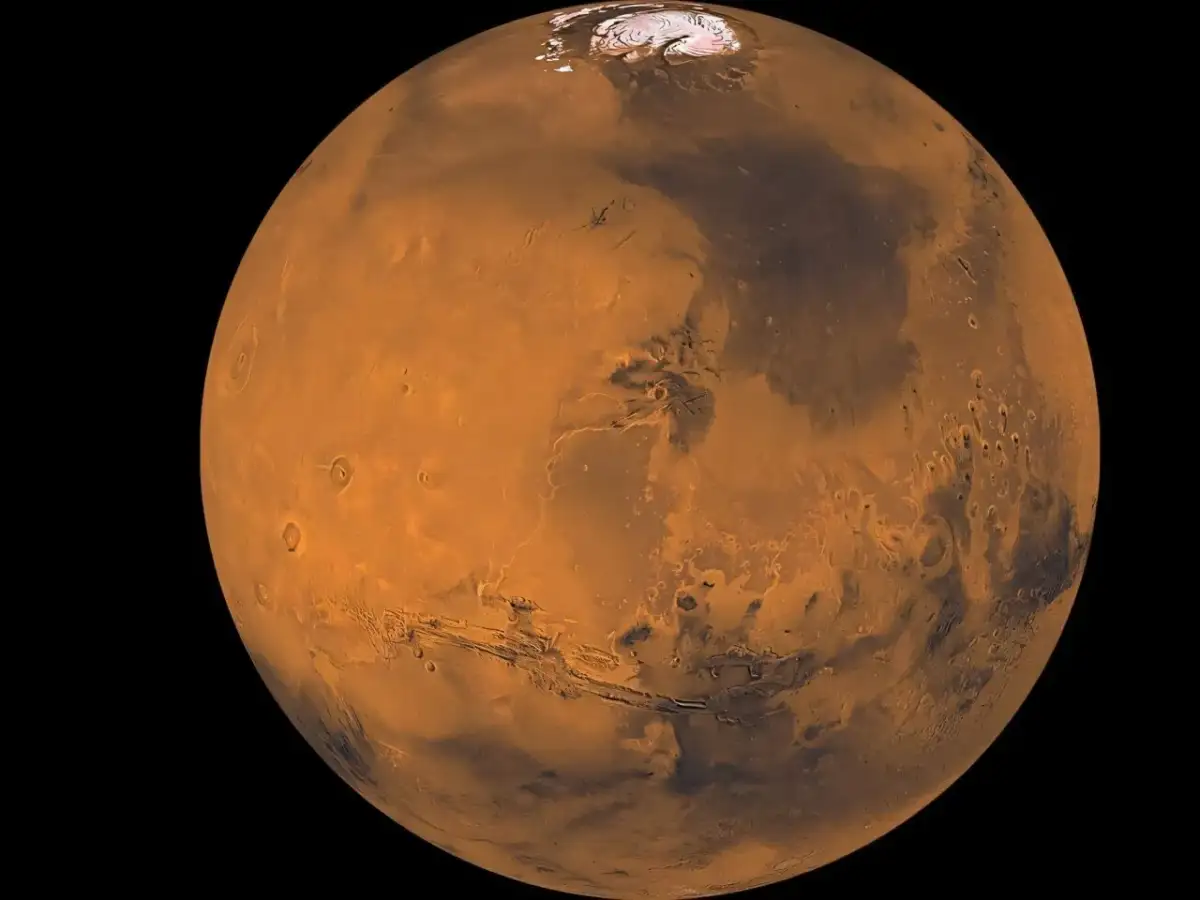
The core idea is that 3D printing, using locally sourced materials like lunar and Martian regolith, could allow pioneers to construct shelters and manufacture their own equipment directly on alien worlds. This capability is seen as fundamental for long-term human presence.
The complexities of differing gravitational environments – from the microgravity of space to the reduced gravity of the Moon and Mars – mean that materials behave in ways not encountered on Earth. Understanding and adapting to these unique conditions is a crucial element of the research.
Read More: NASA Robot Mission Launched to Raise Swift Telescope Orbit, Add 10 Years
THE MATTER OF MATERIALS
Significant differences exist between the soil-like material found on the Moon and that of Mars. This disparity implies that the methods and feedstock for 3D printing will need to be tailored to each specific celestial body. Reports from March 2025 highlight that while 3D-printed homes are already a reality on Earth, their application in space presents distinct challenges and opportunities.
NASA's Moon-to-Mars Planetary Autonomous Construction Technology program, or MMPACT, is actively developing the necessary advancements to make the printing of habitats on these extraterrestrial sites a concrete possibility. This push toward on-site fabrication aims to equip space pioneers with the means to survive and operate within what are fundamentally hostile environments.
The assertion that "3D printing in space is underway" suggests that some foundational elements of this technology are already being tested or implemented, setting the stage for more ambitious projects in the future.
Read More: Chrome mimeHandler API lets extensions handle file types
A BROAD VISION
The potential impact of this technology extends to creating structures, tools, and habitats, thereby reducing reliance on Earth-based supply chains. This move toward self-sufficiency is presented not just as an advantage but as a necessity for any serious attempt at colonizing celestial bodies beyond Earth. The concept suggests a future where off-world settlements are not merely outposts, but rather burgeoning, self-sustaining communities capable of building their own infrastructure.