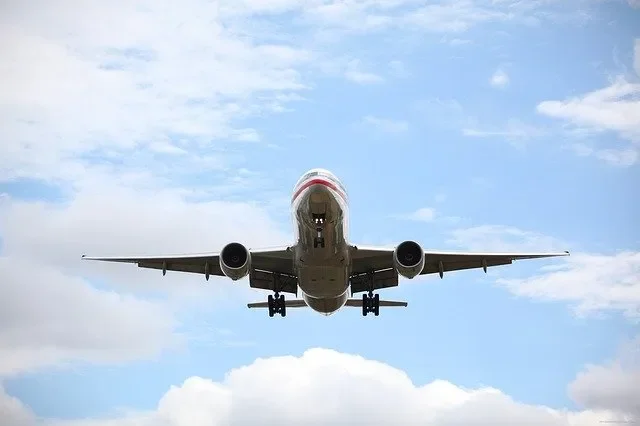
PARIS - A French appeals court has once again found Airbus and Air France guilty of involuntary manslaughter in the 2009 crash of Flight AF447, which claimed the lives of all 228 people aboard. The ruling, delivered recently, marks a significant moment for the families of the victims, who have long sought accountability for the tragedy. Both aviation giants, however, have indicated they will pursue further legal recourse by appealing to the Court of Cassation.
The appeals court's decision reaffirms the companies' responsibility, stating they have failed to uphold their duty to anticipate and prevent the risks associated with the flight. This legal judgment, while symbolic in its punishment for the companies, centers on establishing fault and responsibility. The Court of Cassation's role will now be to examine the legality and procedure of the lower court's decision, not to re-evaluate the facts of the crash itself.
Read More: Fresno Airport $85 Million Funding Boost Improves Travel in April 2026

Airbus and Air France's decision to appeal underscores their continued challenge to the verdict. For the families, the legal process has been protracted, with their primary aim being the acknowledgment of Airbus and Air France's culpability in the loss of their loved ones.
A Long Road to Verdict
The crash of Flight AF447, en route from Rio de Janeiro to Paris, remains a stark reminder of the complexities of air travel safety. The incident occurred when the aircraft encountered meteorological issues, leading to a loss of control. The subsequent investigations delved into the technical aspects of the aircraft's failure, particularly the pitot probes freezing, and the crew's response to the emergency.
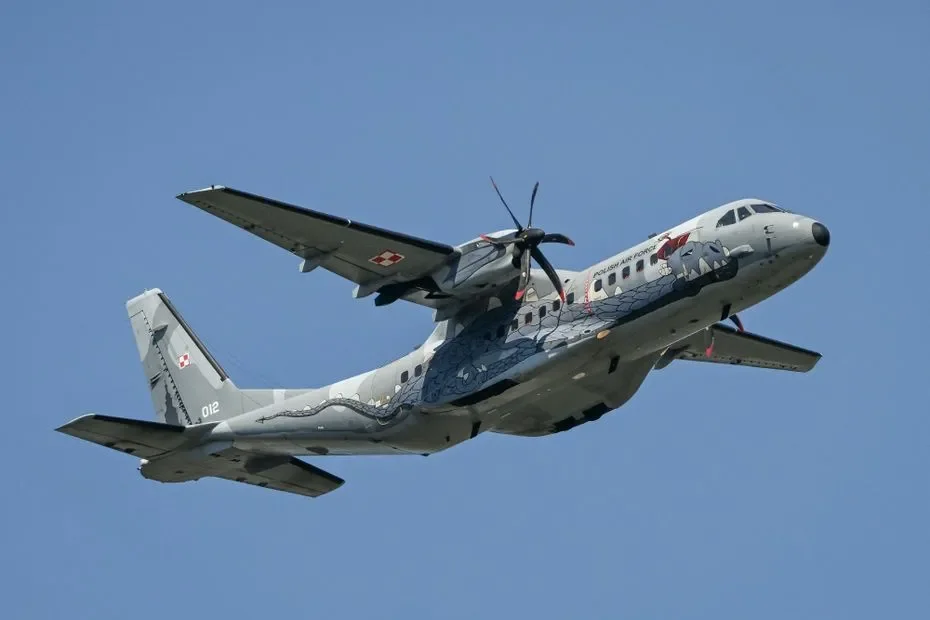
Airbus, a global leader in aerospace, is involved in a wide array of aviation activities, from commercial aircraft to defense systems. Recent company news highlights efforts in sustainable aerospace, advancements in cargo door technology for the A350F, and financial results. However, the company has also faced challenges, including reported delivery delays for the A350 program, attributed to supply chain issues, notably with Pratt & Whitney. Quality concerns regarding A320 fuselages and recalls linked to flight control systems have also surfaced in recent reports.
Read More: Desogestrel Pill Use Linked to Higher Brain Tumor Risk
Air France, the French flag carrier, has also been navigating its operational landscape. Recent business dealings include the acquisition of long-haul aircraft and partnerships for onboard Wi-Fi services. The company, like Airbus, is part of a broader aviation ecosystem where financial performance, fleet management, and technological integration are constant considerations.
The ongoing legal proceedings involving Airbus and Air France have unfolded against a backdrop of significant activity within the aviation industry. Stock market analyses for Airbus show fluctuating trends, with periods of "bullish signals" interspersed with potential consolidations towards support levels. This financial dimension exists alongside the company's manufacturing and development activities, including the production of military aircraft like the C295 in India and strategic investments in expanding production capabilities globally.