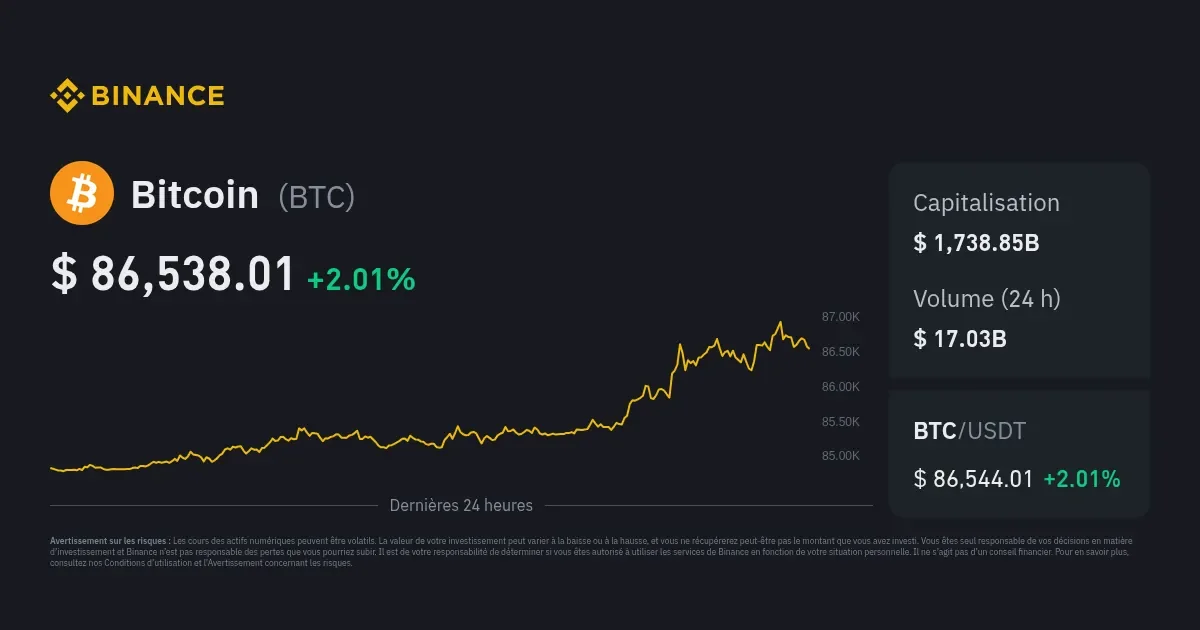
Bitcoin has experienced a notable drop in value. This slide appears linked to a confluence of factors: emerging optimism around a potential U.S.-Iran peace deal, which typically sees capital move away from riskier assets, and a continued drain of funds from cryptocurrency exchange-traded funds (ETFs).

The value of Bitcoin, often seen as a speculative digital asset, is sensitive to broader market sentiment. Hopes for de-escalation in geopolitical tensions can lead investors to reduce their exposure to assets perceived as higher risk. Concurrently, outflows from Bitcoin ETFs suggest a less enthusiastic investor appetite for direct, regulated exposure to the cryptocurrency.
Price Movements and Market Indicators
Recent data from platforms like TradingView indicates mixed signals, with moving averages showing periods of both selling and buying pressure. The circulating supply of Bitcoin is reported to be 20.03 million. Current prices hover around €67,310.13 according to BTC Direct, though these figures are subject to significant, rapid fluctuations. Binance also tracks the live price of BTC against the USD, reflecting its position as a prominent digital currency.
Read More: Solaris Energy SEI Stock Price Forecast Reaches $91.98 by July 2027
The Nature of Digital Assets
Bitcoin operates as a decentralized digital currency, using 'cryptography' to secure its transactions and manage the creation of new units. Transactions are recorded on a public ledger known as the 'blockchain'. This peer-to-peer system was designed to allow value transfers without intermediaries. A significant aspect is that individuals can purchase fractions of a Bitcoin, with investments as small as one U.S. dollar.
Disclaimer: Investing in virtual currencies carries substantial risk, with the potential for significant loss of invested capital. These assets are not protected by traditional banking deposit guarantee schemes. The virtual currency market lacks established legal mechanisms to prevent market manipulation or insider trading. Furthermore, the technology underpinning virtual currencies is relatively new and may not be fully tested. Loss of access credentials will result in permanent loss of virtual currency. The acceptance of virtual currencies as a payment method is currently limited, and legal obligations to accept them are rare. As one source starkly puts it, "In crypto, only risk is guaranteed."