The Library of Congress has formally inducted the original 1993 Doom soundtrack into the National Recording Registry. Selected from over 3,000 public nominations, the score is one of 25 annual additions, marking only the third time a video game composition has been granted this status.
The selection confirms the transition of MIDI-era digital audio from disposable software assets to items of permanent cultural record. The registry, which serves as the research arm of the U.S. Congress, currently preserves 700 recordings deemed "culturally, historically, or aesthetically significant."
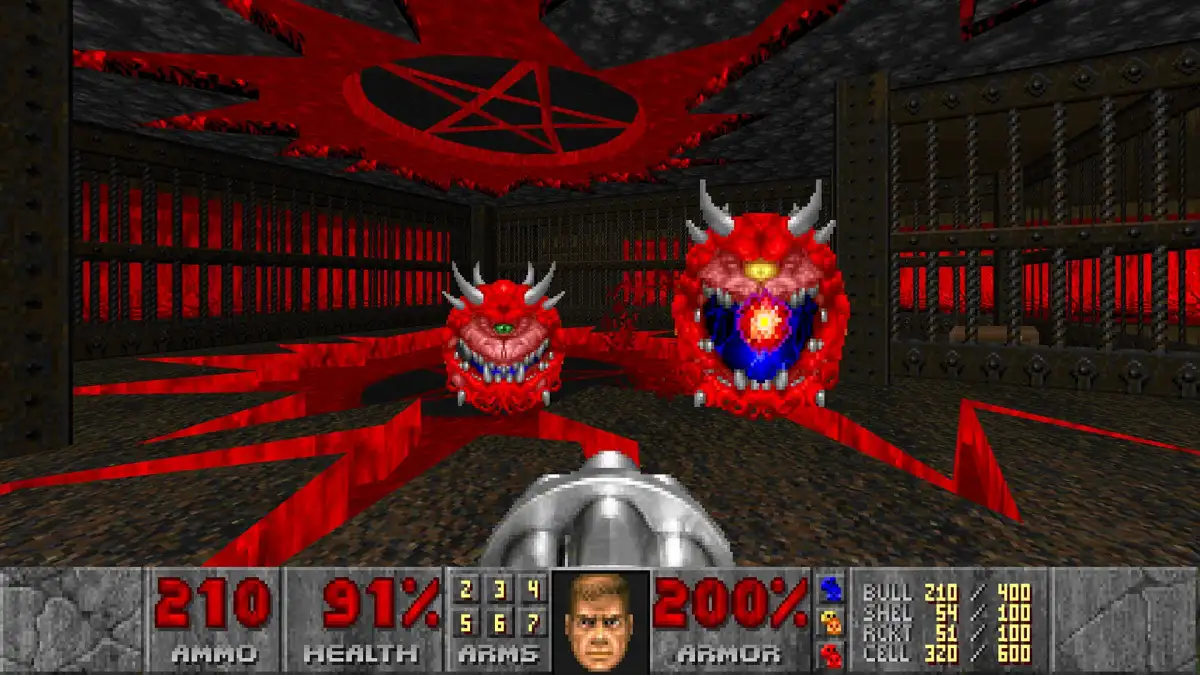
Institutional Recognition vs. Industry Origins
| Milestone | Recording | Status |
|---|---|---|
| First Game Score | Super Mario Bros. | Inducted |
| Recent Addition | Minecraft: Volume Alpha | Inducted |
| 2026 Addition | Doom (1993) | Inducted |
The soundtrack, composed by Bobby Prince, was produced under tight hardware constraints. Rather than traditional recording, the work relied on MIDI technology and careful frequency separation to ensure that synthesized music did not interfere with the game’s sound effects.
Production Influence: Lead designer John Romero reportedly provided Prince with a selection of heavy metal records—including Pantera, Metallica, and Alice in Chains—to influence the sonic texture of the game.
Legacy: The composition is credited with establishing a blueprint for action-oriented game audio, shifting the medium away from background ambiance toward a more aggressive, pacing-focused role.
"The Doom soundtrack would go on to inspire countless remixes and lay the foundation for future generations of game composers."
A Fragmented Archive
The 2026 intake highlights the tension between legacy media and ephemeral digital formats. By placing the work of Bobby Prince alongside high-charting popular music—such as Taylor Swift’s 1989 and Beyoncé’s Single Ladies—the Library of Congress validates the game audio design of the early 1990s as a structural pillar of contemporary culture.
Read More: Chrome mimeHandler API lets extensions handle file types
The inclusion of the Doom score underscores a shift in how archival institutions interpret "cultural value." Where earlier decades ignored MIDI production as mere technical limitations, contemporary curators now view these production constraints as definitive creative signatures. This designation effectively locks the code-based audio into a formal, permanent preservation framework, separating it from the fluid, rapidly decaying nature of its original digital delivery.