The Defence Research and Development Organisation (DRDO) has concluded the final development trials of its Unmanned Aerial Vehicle Launched Precision Guided Missile (ULPGM)-V3, a significant step in the nation's pursuit of self-reliance in defence. The missile, capable of engaging targets both on the ground and in the air, underwent successful testing at a DRDO range near Kurnool, Andhra Pradesh. These trials signify the maturation of a domestic supply chain ready for serial production.
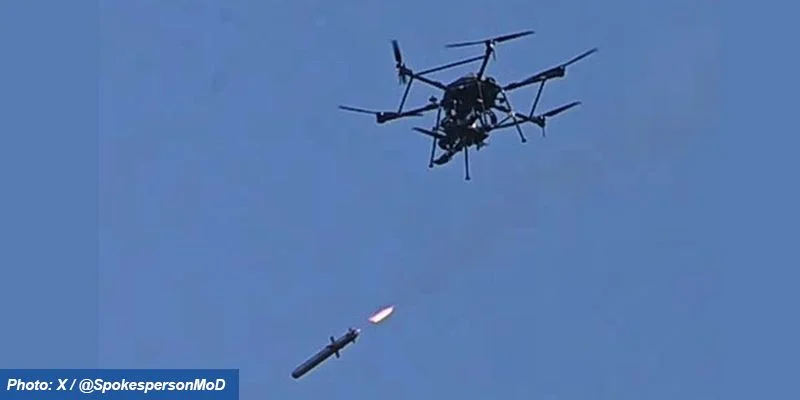
The ULPGM-V3 demonstrated its versatility in both 'air-to-ground' and 'air-to-air' operational modes. Defence Minister Rajnath Singh lauded the efforts, framing the development as a "strategic milestone" toward indigenous defence capabilities, often linked to the 'Aatmanirbhar Bharat' initiative. The missile system's development involved collaboration with entities including Bharat Dynamics Limited and Adani Defence Systems & Technologies Limited, along with numerous Micro, Small, and Medium Enterprises (MSMEs).
Read More: India's Defence Ministry approves ₹52,000 crore on Friday for new Army and Navy tech
The successful completion of these trials confirms a fully mature domestic supply chain, positioned for immediate serial mass production. This underscores a critical aspect of the program: fostering indigenous manufacturing and reducing reliance on foreign imports for advanced weaponry. The integrated Ground Control System (GCS) used during the trials also proved capable of commanding and controlling the weapon system effectively.
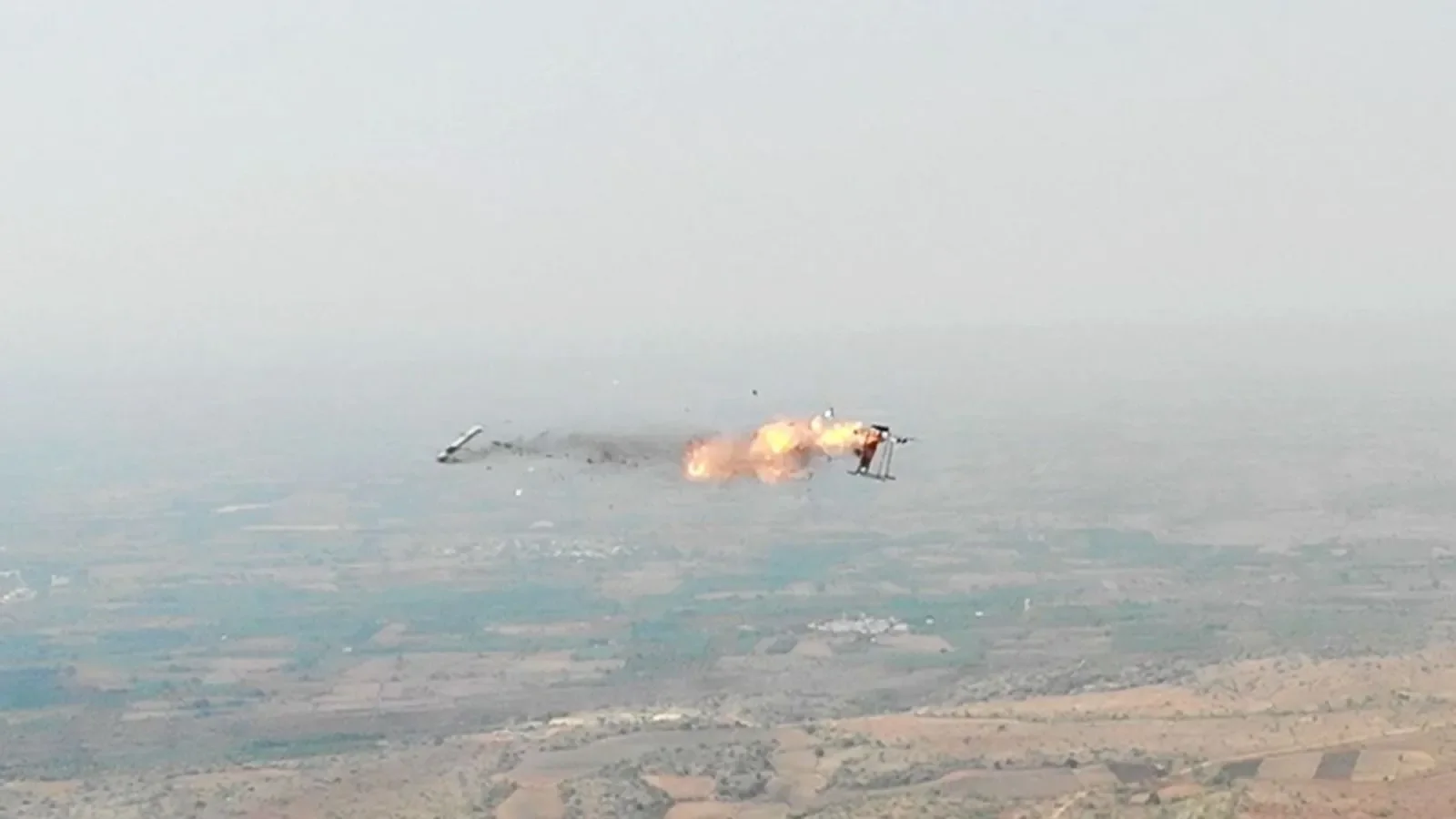
Operational Scope
The ULPGM-V3 is designed for dual roles:
Air-to-Ground: Specifically targeting modern armored vehicles, including those equipped with Explosive Reactive Armour (ERA).
Air-to-Air: Capable of engaging airborne threats such as drones and helicopters.
The missile can be equipped with modular warheads, including anti-armour options and a pre-fragmentation warhead for widespread impact. This flexibility allows unmanned aerial vehicles (UAVs) to act as a single integrated platform for a range of combat scenarios.
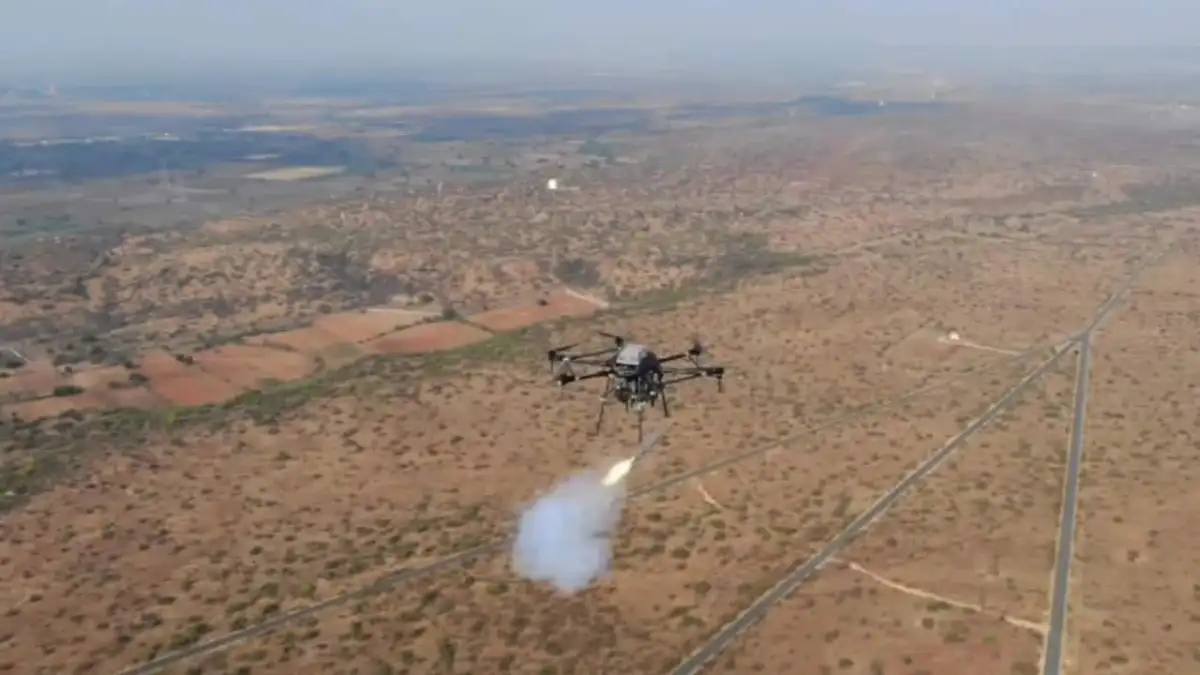
Development Context
The trials represent a push towards enhancing India's 'precision-strike programme'. DRDO Chairman Samir V Kamat congratulated the teams involved, highlighting the achievement as a significant advancement in indigenous defence technology. The integration of the ULPGM-V3 with advanced UAV systems was also validated, ensuring seamless coordination between airborne platforms and the guided munitions.
Read More: Chrome mimeHandler API lets extensions handle file types