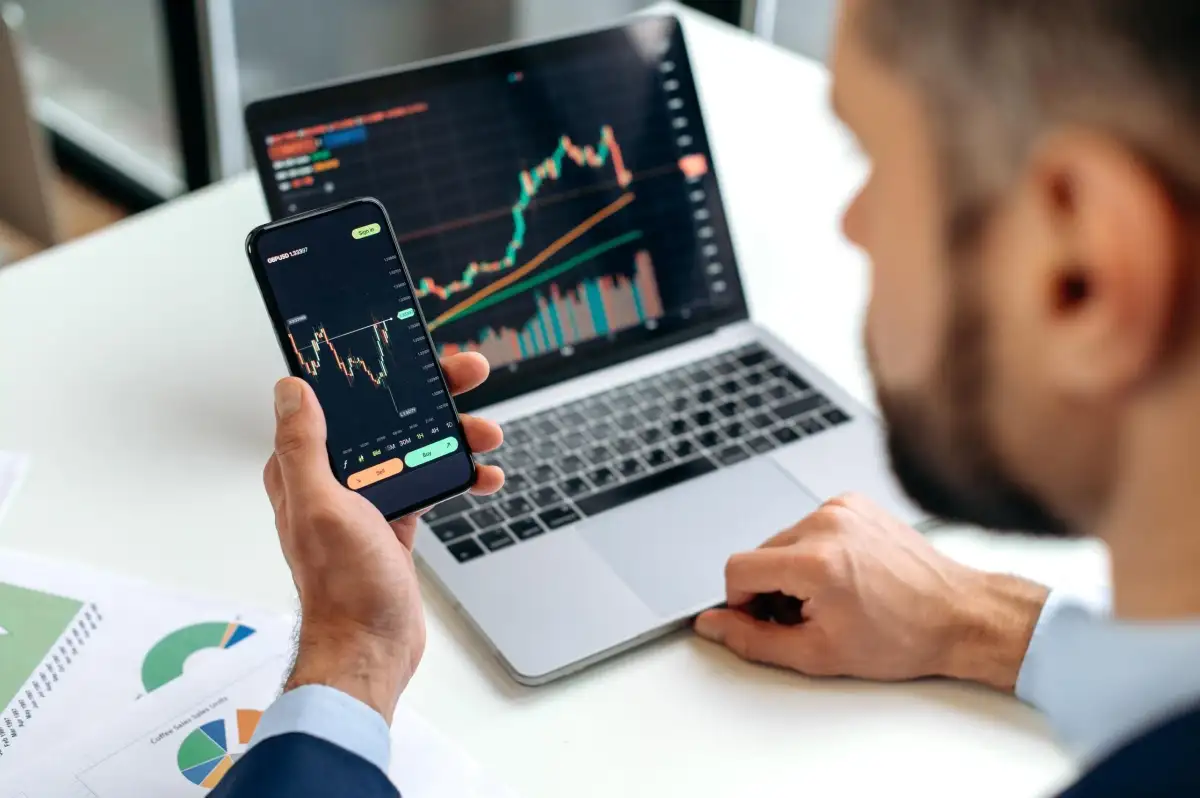
Markets globally appear to be in a state of suspended animation, a quiet interlude amid the relentless churn of political developments. The apparent pause in market activity offers a stark contrast to the ongoing, often tumultuous, political landscape, which continues to shape economic realities.
The connection between political actions and market performance is a well-documented phenomenon. Policies, laws, and regulations, from tax adjustments to business regulations and even referendums, demonstrably influence how investors position their portfolios, thereby impacting overall market trajectories. This sensitivity to political uncertainty has historically led to significant market fluctuations, with notable examples including the substantial global equity losses following Brexit and the pronounced effects of presidential election outcomes.
Geopolitical Tensions Cloud Economic Outlook
Recent reports indicate that progress on the Iran deal remains unclear, complicated by US military actions described as "self-defense." Despite President Donald Trump's assertions of an impending peace accord, the situation is far from settled, with an ongoing war in its 88th day.
Read More: US Markets Drop as Consumer Spending Slows Down
In a separate development, the Trump administration has reportedly issued subpoenas to Hasan Piker, a political influencer, in connection with an investigation into Cuba sanctions. This move signals a deepening scrutiny of various political figures and their associations.
Domestic Political Battles Influence Markets
In Washington, a redistricting dispute in Eastern Washington could soon reach the US Supreme Court. A recent federal court ruling has raised questions about representation in Olympia for years to come, underscoring how domestic political contests can have far-reaching consequences.
Tariffs and Policy Instability Breed Uncertainty
The persistent uncertainty surrounding US tariffs continues to fuel concern among both policymakers and investors. This back-and-forth approach to trade policy, alongside other economic directives such as immigration and government cost-cutting measures, has historically created a volatile environment. Past pronouncements from figures like Donald Trump have alternately boosted and unsettled market sentiment, demonstrating the direct correlation between such policy shifts and investor behavior. This policy instability has been linked to significant market downturns, with financial markets proving acutely sensitive to shifts in political winds.
Read More: New York Mets vs Atlanta Braves 7 April 2026 NL East game preview