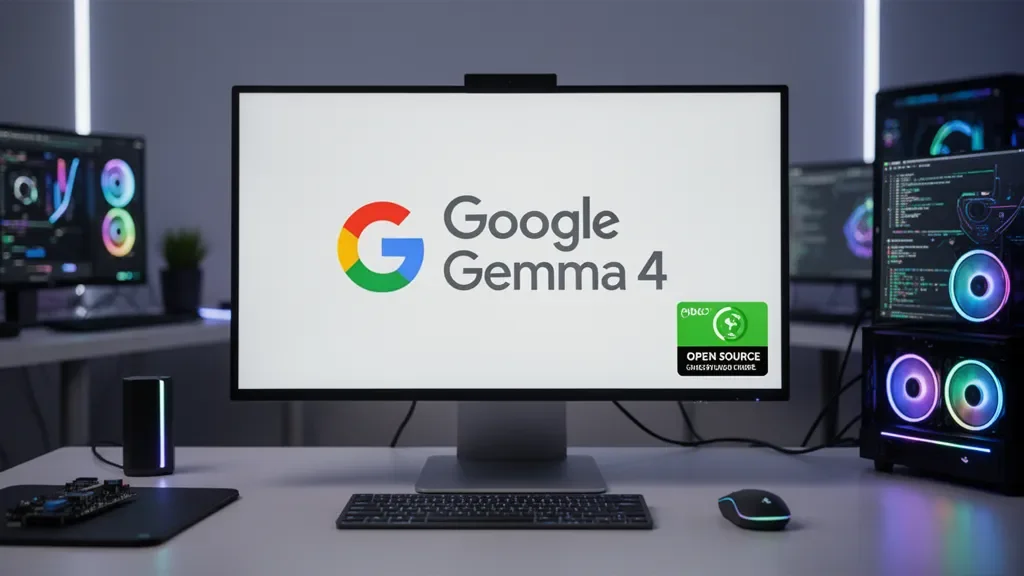
As of 23/05/2026, Google DeepMind has moved the frontier of open-source machine intelligence to personal hardware. The release of Gemma 4 represents a tactical shift in how silicon-based reasoning is distributed, moving away from centralized cloud dependence toward local, edge-based execution.
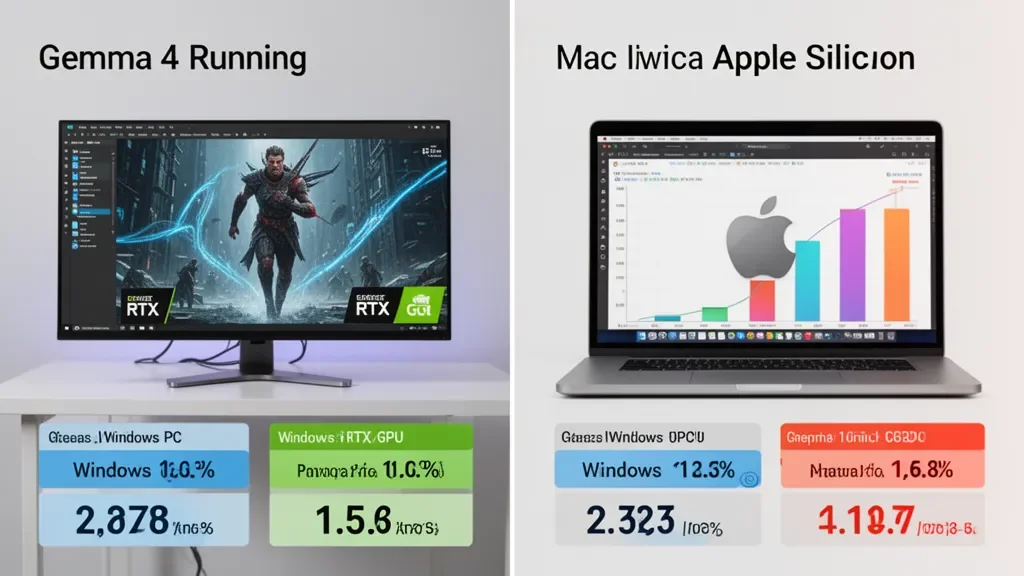
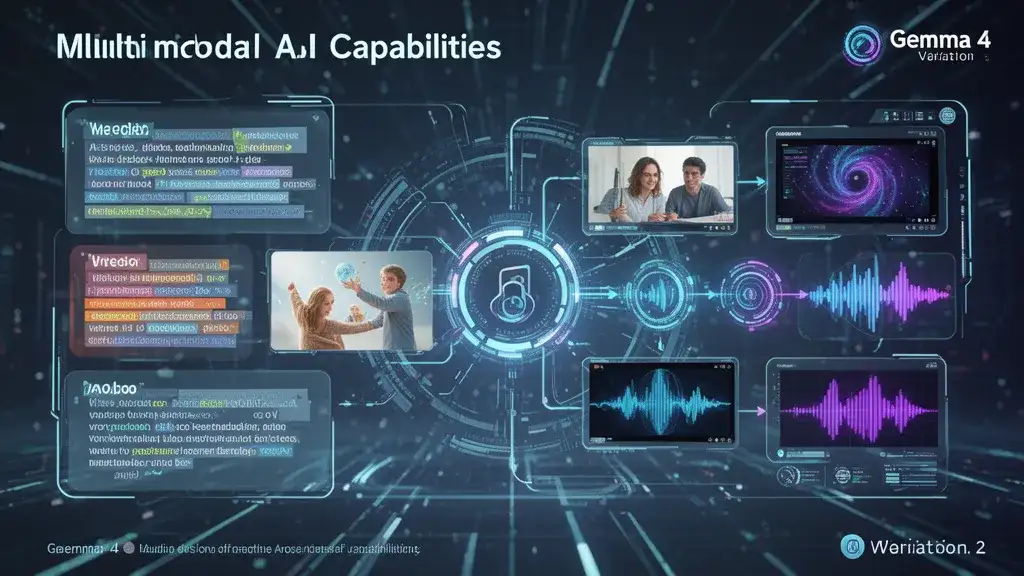
Gemma 4 provides multimodal reasoning capabilities and autonomous agent planning directly on consumer-grade hardware, including PCs, Macs, and mobile devices.
The Technical Framework
The Gemma 4 family, which includes variants such as the 31B IT, 26B A4B, and smaller E4B/E2B iterations, is engineered for hardware efficiency. Unlike proprietary models locked behind API walls, these models are optimized for local deployment via standard software stacks:
| Component | Functionality |
|---|---|
| LM Studio / Ollama | Local model hosting and execution |
| TensorFlow Lite | Deployment on edge/mobile devices |
| Keras / Docker | Flexible development-to-production pipelines |
| Function Calling | Autonomous agent task navigation |
Models demonstrate heightened performance in AIME 2026 (mathematics), GPQA Diamond (scientific expertise), and LiveCodeBench v6 (competitive coding).
Native support for "function calling" allows these models to act as autonomous agents, navigating software interfaces and executing tasks on behalf of the user.
Analysis: The Push to the Edge
The integration of Gemma 4 into the local environment addresses persistent concerns regarding data privacy and latency. By shifting computation to the user’s hardware, Google attempts to bridge the gap between "frontier intelligence" and the limitations of personal computers.
Read More: Chrome mimeHandler API lets extensions handle file types
"The launch of Gemma 4 fits into a wider trend of the democratization of AI. This configuration allows for local chat, document summarization, text generation, and multimodal analysis without compromising system performance." — Observation from industry technical reporting.
The capability to detect software vulnerabilities and suggest architectural optimizations locally indicates a shift in how developers might interact with code. By removing the requirement for an active connection to external servers, the system functions as a standalone cognitive tool, effectively bypassing the constraints of conventional data-harvesting service models.
Context
Gemma 4 arrives as the latest iteration in Google’s effort to maintain parity with open-weight competitors. Previous versions of Gemma focused on general text generation, but the 2026 release cycle emphasizes multimodal reasoning—the ability to process audio and visual inputs simultaneously. This release effectively transforms high-end consumer hardware into autonomous inference machines, capable of running sophisticated logic units that were previously tethered to massive server farms.