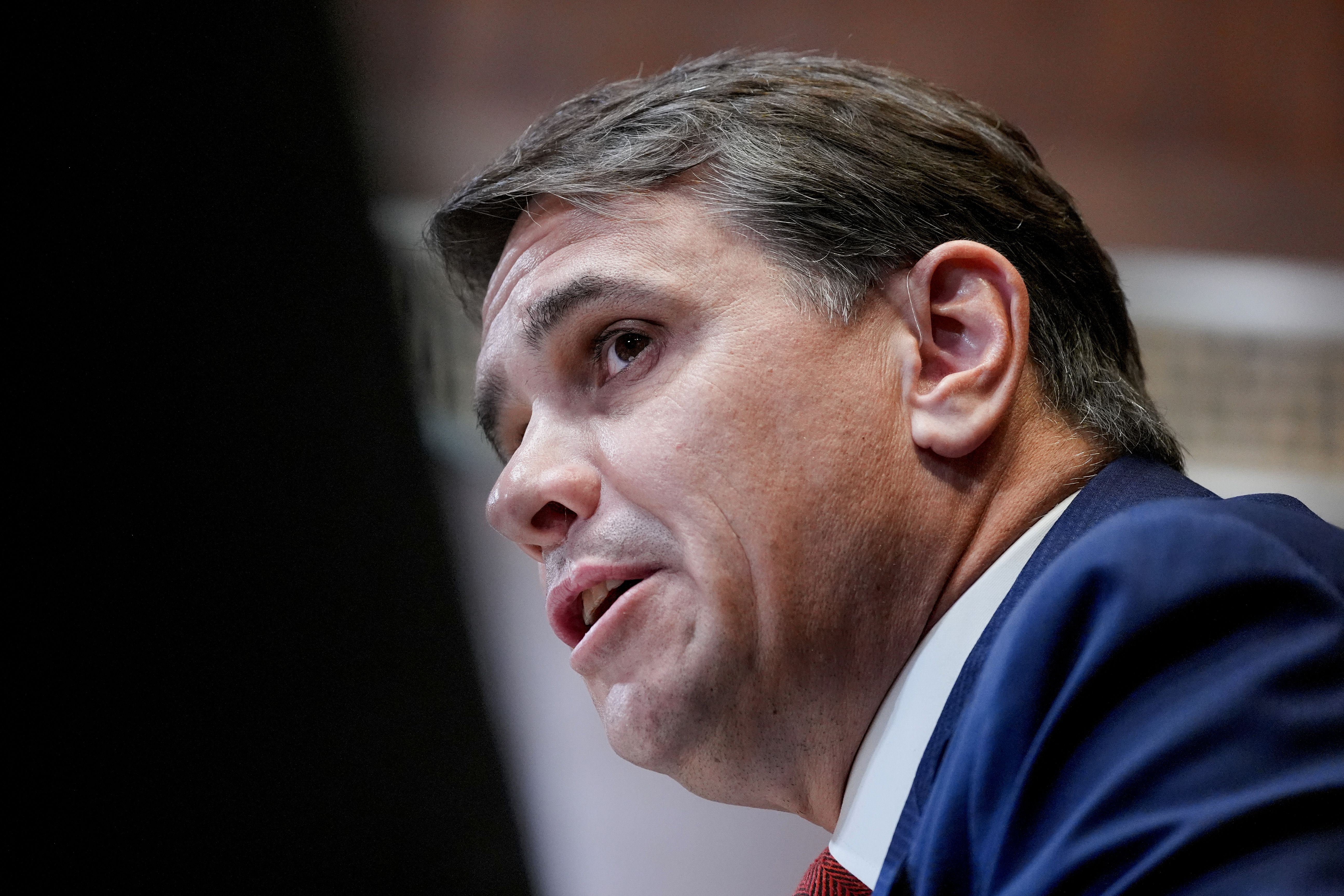
Acting Attorney General Todd Blanche is facing intense questioning regarding a $1.7 billion fund, ostensibly established to combat governmental overreach. The core of the controversy lies in the fund's broad eligibility criteria, which Blanche has thus far refused to restrict, even to the extent of not ruling out compensation for individuals convicted of violent acts, including those involved in the January 6th Capitol riot.
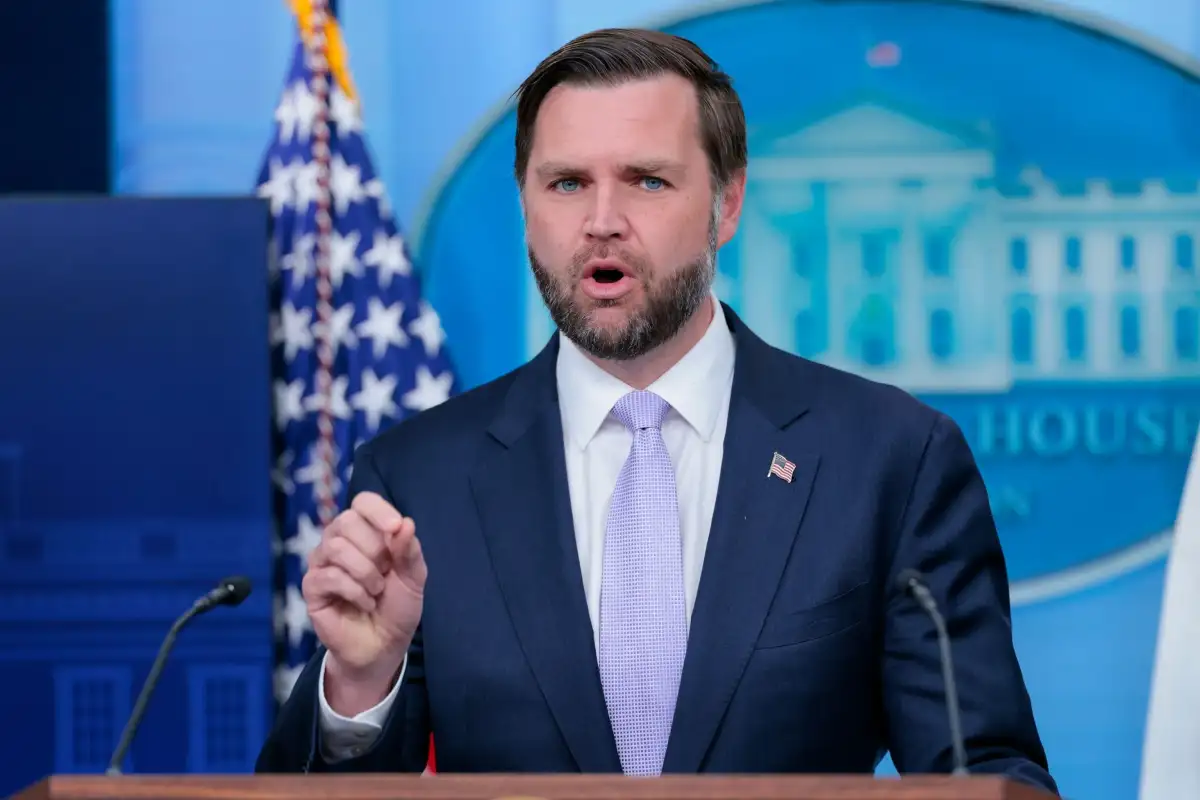
The Justice Department, under Blanche's stewardship, has created a fund where applicants "can take everything into account," including claims of being a victim of "weaponization." This vague formulation has drawn sharp criticism, particularly as it appears to permit individuals prosecuted for serious offenses to seek remuneration from taxpayer money.
Ambiguous Eligibility and Congressional Ire
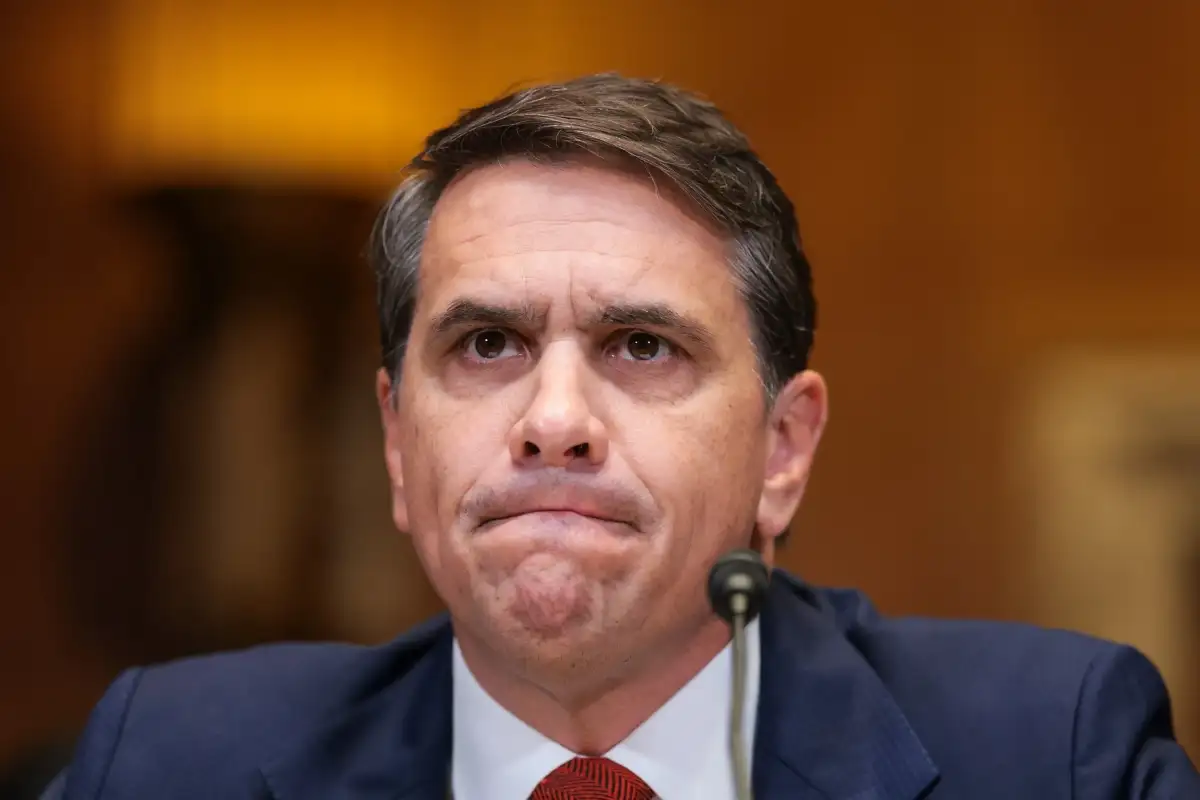
During a congressional hearing, Blanche was pressed by Senator Merkley on the fund's purpose and its potential beneficiaries. He acknowledged that the commission responsible for disbursing funds, which he is tasked with appointing, would "definitely encourage" consideration of all factors. However, when directly asked if those convicted of violence should be eligible, Blanche stated, "My feelings don’t matter," sidestepping a direct commitment to exclude such individuals.
Read More: Acting DNI Pulte Fires Dozens of Intelligence Officials Starting Thursday
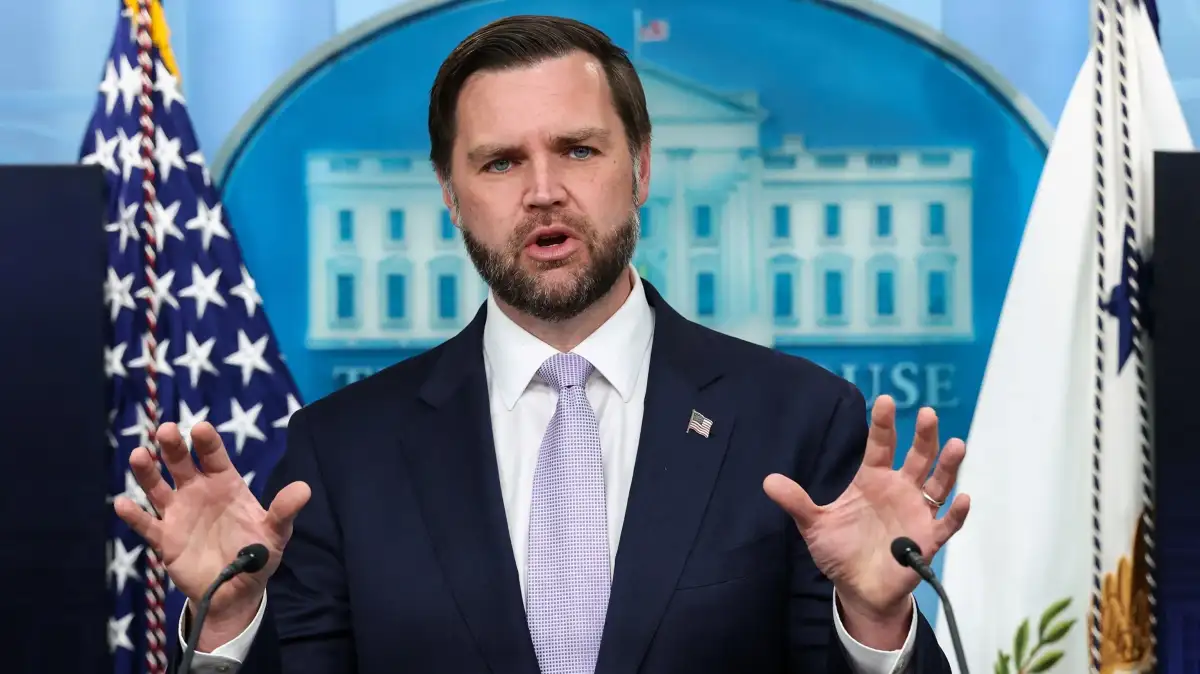
Pressed further on whether those who assaulted law enforcement officers would be considered, Blanche reiterated that "all people can apply if they believe they were a victim of weaponization." He declined to state whether he would direct the commission to restrict funds to those convicted of violence, a move that has fueled accusations of the department being potentially used to settle political scores.

Roots of the Fund and Accusations of Bias
The "Anti-Weaponization Fund" appears to stem from a settlement linked to a lawsuit involving former President Trump. Critics argue that this initiative mirrors the very "weaponization" it claims to counteract, suggesting a potential use of the Justice Department to target political opponents, a tactic the fund is supposedly designed to prevent.
The lack of explicit exclusions for violent offenders has raised alarms, with some lawmakers suggesting that this approach could inadvertently reward those involved in the January 6th events. Proposed legislation, such as the "No Rewards for January 6 Rioters Act," aims to prohibit the use of federal funds for compensating individuals prosecuted for their roles in that attack, highlighting the ongoing legislative efforts to rein in the fund's perceived latitude.
Read More: Supreme Court May Order Ayodhya Temple Fund Audit Due to Theft Claims
Background and Broader Context
The Justice Department's handling of this substantial fund comes at a time when executive power and the department's role in political disputes are under intense public and congressional scrutiny. The vague language surrounding eligibility and the refusal to draw clear lines for potential beneficiaries have created a landscape ripe for debate and mistrust. The fund's creation through a settlement, rather than direct appropriation, also adds a layer of complexity to its oversight and accountability.