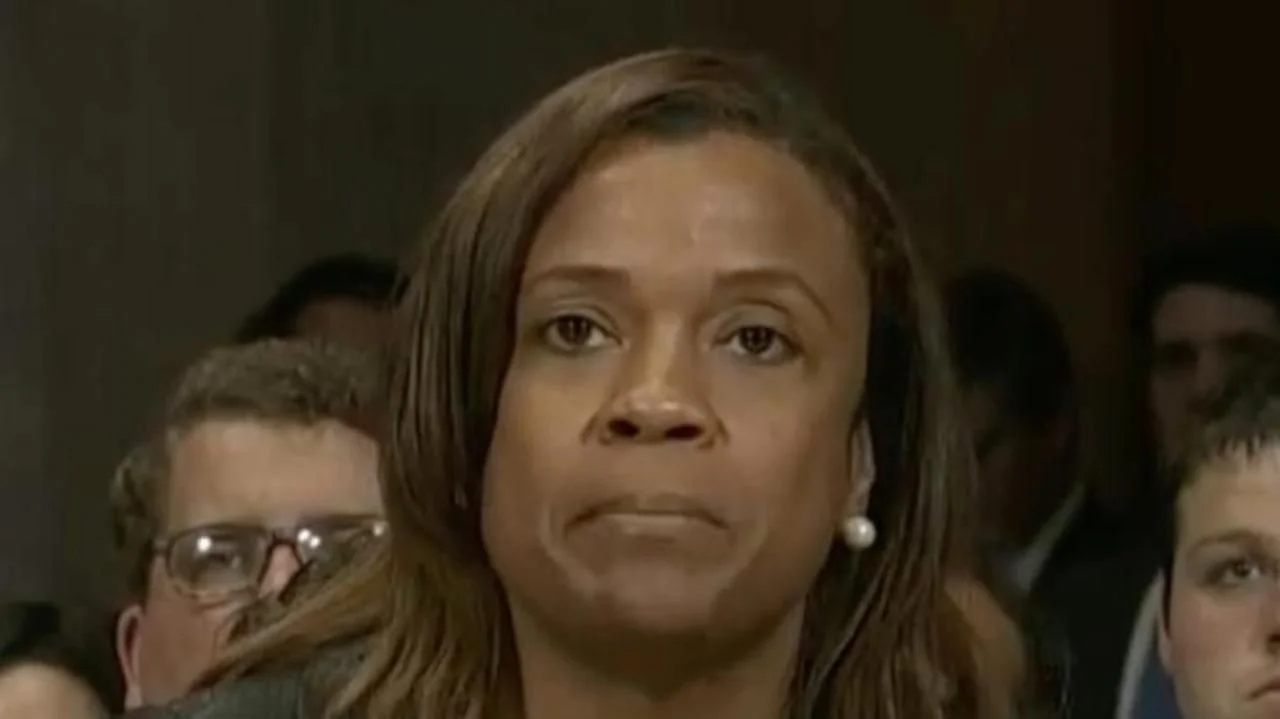
Keisha Lance Bottoms, former mayor of Atlanta, has secured the Democratic nomination for Georgia governor, effectively ending her primary contest without the need for a runoff. This result positions the Democrat as a central figure in the upcoming November general election, where she seeks to become the first Black woman elected governor in the history of the United States.

Core Insight: The primary victory grants the Democratic ticket a critical advantage in organizational cohesion, while the Republican party remains fractured by a high-stakes, expensive internal conflict between Burt Jones and Rick Jackson, who are headed to a June runoff.

Electoral Dynamics and Republican Landscape
While the Democratic path forward appears consolidated, the Republican contest remains volatile. The struggle for the GOP nomination underscores a broader tension within the state party regarding its ideological direction and alignment with former President Donald Trump.
Read More: Taiwan Holds Nantou County Drills to Prepare for State Collapse

| Candidate | Status | Affiliation |
|---|---|---|
| Keisha Lance Bottoms | Nominated | Democrat |
| Burt Jones | Runoff | Republican |
| Rick Jackson | Runoff | Republican |
The Republican runoff reflects a [partisan ] friction, characterized by heavy spending and divergent stances on state policy, contrasting with the [consensus ] currently sought by the Democratic leadership.

Contextualizing the Campaign
The primary season was marked by a diverse field of candidates, including former DeKalb County CEO Michael Thurmond and former state Sen. Jason Esteves. Bottoms' victory is viewed by observers as a pivotal moment in Georgia’s political trajectory, following a period where the state’s status as a [swing state ] has been defined by narrow margins and shifting voter allegiances.
Bottoms' Strategy: Focused on a mix of local governance experience from her tenure at Atlanta City Hall and broader national backing, notably receiving an endorsement from President Joe Biden during the closing weeks of the campaign.
Challenges Ahead: The candidate must now translate primary momentum into a general election strategy that addresses state-wide economic concerns while navigating a electorate that has shown a high degree of skepticism toward traditional party lines.
As the state transitions into the general election phase, the focus shifts to how these campaigns manage resources and address the distinct, often asymmetrical demands of the Georgia voter base. The upcoming months are expected to test the efficacy of Bottoms' [pragmatic ] branding against the eventual Republican nominee.
Read More: Georgia Government Backs Crypto, Sparking Debate on Future