

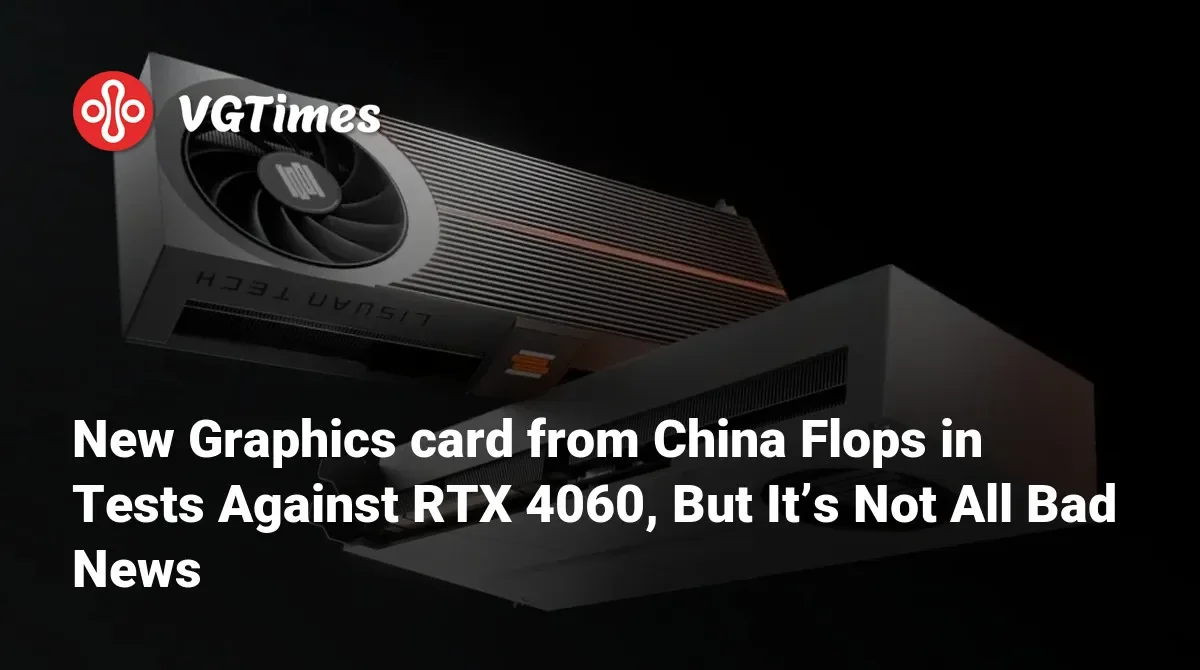
The Lisuan LX 7G100, marketed as a domestic answer to international graphics hardware, is failing to meet the performance benchmarks set by the Nvidia RTX 4060. While official claims and early, optimistic reports once positioned the 6nm chip as a direct competitor to global mainstream standards, real-world testing confirms a significant performance gap.
Core findings from current benchmarks indicate that while the hardware supports modern titles and DirectX 12, it lacks the raw throughput and driver stability of established market leaders.
Benchmark Discrepancies
The performance of the 7G100 varies wildly depending on the testing environment. Early synthetic tests, specifically in OpenCL, generated high scores that led to speculation of a competitive product. However, practical gaming metrics paint a different picture:
1080p Real-World Performance: In demanding titles like The Witcher 3: Wild Hunt and Black Myth: Wukong, frame rates hover near 50–60 FPS.
Software Maturity: Users report frequent stuttering, inconsistent frame pacing, and a control panel that often fails to save settings, including overclocking parameters, after a system reboot.
Hardware Architecture: The card utilizes 12 GB of GDDR6 memory on a 6nm process but lacks integrated ray tracing, a feature reserved for future iterations.
| Feature | Lisuan LX 7G100 | Industry Baseline (RTX 4060) |
|---|---|---|
| Node | 6nm | 5nm (Custom) |
| VRAM | 12 GB GDDR6 | 8 GB GDDR6 |
| Stability | Variable (Driver Issues) | High (Mature Ecosystem) |
| Ray Tracing | None | Hardware Accelerated |
A Symbolic Development
The Lisuan Tech project reflects a broader push within China to achieve technological self-sufficiency, specifically in semiconductors. Historically, Chinese attempts at domestic consumer GPUs—such as those by Moore Threads or BirenTech—have struggled with the same bottleneck: software and driver optimization.
Read More: Chrome mimeHandler API lets extensions handle file types
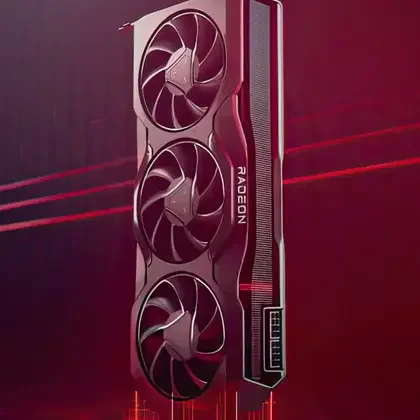
Critics point out that despite the manufacturing milestone of using a 6nm node, the card’s performance often mirrors legacy hardware like the decade-old GTX 660 Ti in initial diagnostic testing. The company’s $485 price point for the flagship model has drawn scrutiny, as it places the card in a bracket where consumers expect reliable performance, not experimental development.
Contextualizing the Marathon
The narrative surrounding the 7G100 has shifted from an "industry disruptor" to a long-term testing ground. Industry observers note that while the card is not yet a viable threat to Nvidia or AMD, it represents a move toward owning the full stack of production—chips, architecture, and firmware. The success of future iterations depends entirely on the company's ability to iterate on software at a pace that matches their hardware design, a process that historically takes years of refinement.
Read More: GPU Power Growth 2009-2025: RTX 5090 vs Radeon HD 5870 Analysis



.png)

