

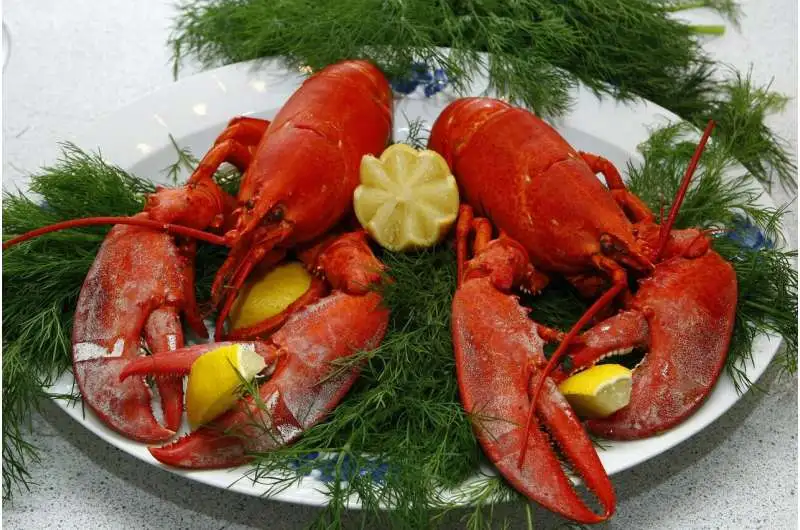
Willingness to Pay More Fueled by Conservation Messaging
A recent study emerging from the 'University of Maine' indicates a notable consumer inclination to pay a premium for 'lobster' harvested using 'ropeless fishing technology'. This suggests a market potential for sustainably sourced seafood, particularly when linked to marine mammal protection. Researchers explored how various narratives—encompassing 'whale conservation', 'animal welfare', and the specifics of Maine's lobster sector—influenced this willingness.
The research, which appeared in the 'Marine Resource Economics' journal, probed consumer responses to the potential future necessity of 'ropeless technology'. Findings pointed to messages emphasizing 'whale welfare' and the direct impacts of 'entanglement' as the most persuasive factors in boosting consumer support and their readiness to spend more.
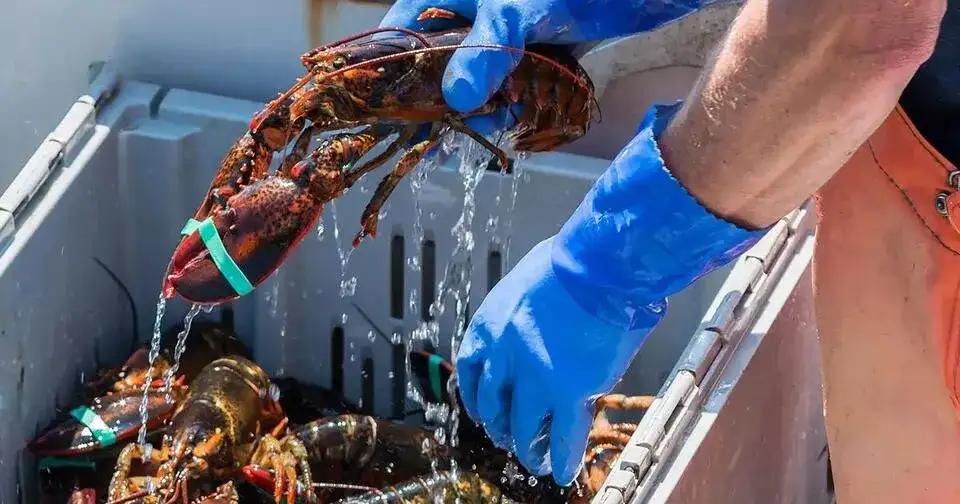
Industry Context and Future Considerations
The study's authors were careful to frame their results as exploratory, explicitly stating the findings are not a directive for immediate changes within Maine's established lobster industry. Historically, the industry has incorporated several protective measures, including 'weak links', 'sinking lines', and revised vertical line specifications, all aimed at mitigating the risk of 'whale entanglement'.
Read More: Linen Dresses Under $100: How Price Shapes Style Perception
The core of the investigation centered on consumer perception and financial response to advancements in fishing gear designed to lessen harm to marine life. The research was published approximately 'four days ago', with its findings gaining traction across various academic and news platforms.


