CONSUMER DEVELOPERS CAN NOW SECURE API CONNECTIONS THROUGH MULESOFT'S ANYPOINT EXCHANGE, CREATING A MORE STRUCTURED PATH FOR APPLICATION INTEGRATION.
Mulesoft's Anypoint Exchange, a platform for discovering and managing APIs, now facilitates the creation of client applications and API contracts. This mechanism allows consumer developers to request access to specific API instances or groups. When a developer seeks a contract, they can select an API instance visible on Anypoint Exchange, along with a defined Service Level Agreement (SLA) tier if applicable. They also have the option to choose an existing client application or register a new one. The process requires an authenticated user to make calls to the API platform.
This functionality is managed through the 'API Access Requester' Lightning component, situated on an API's details page within Anypoint Exchange. For an API or API group instance to appear, it must be set to public visibility on Exchange, or its visibility must be configured to "All instances" within the API curator of the API Community Manager control panel.
Read More: Chrome mimeHandler API lets extensions handle file types
ESTABLISHING THE LINK: CONTRACTS AND CREDENTIALS
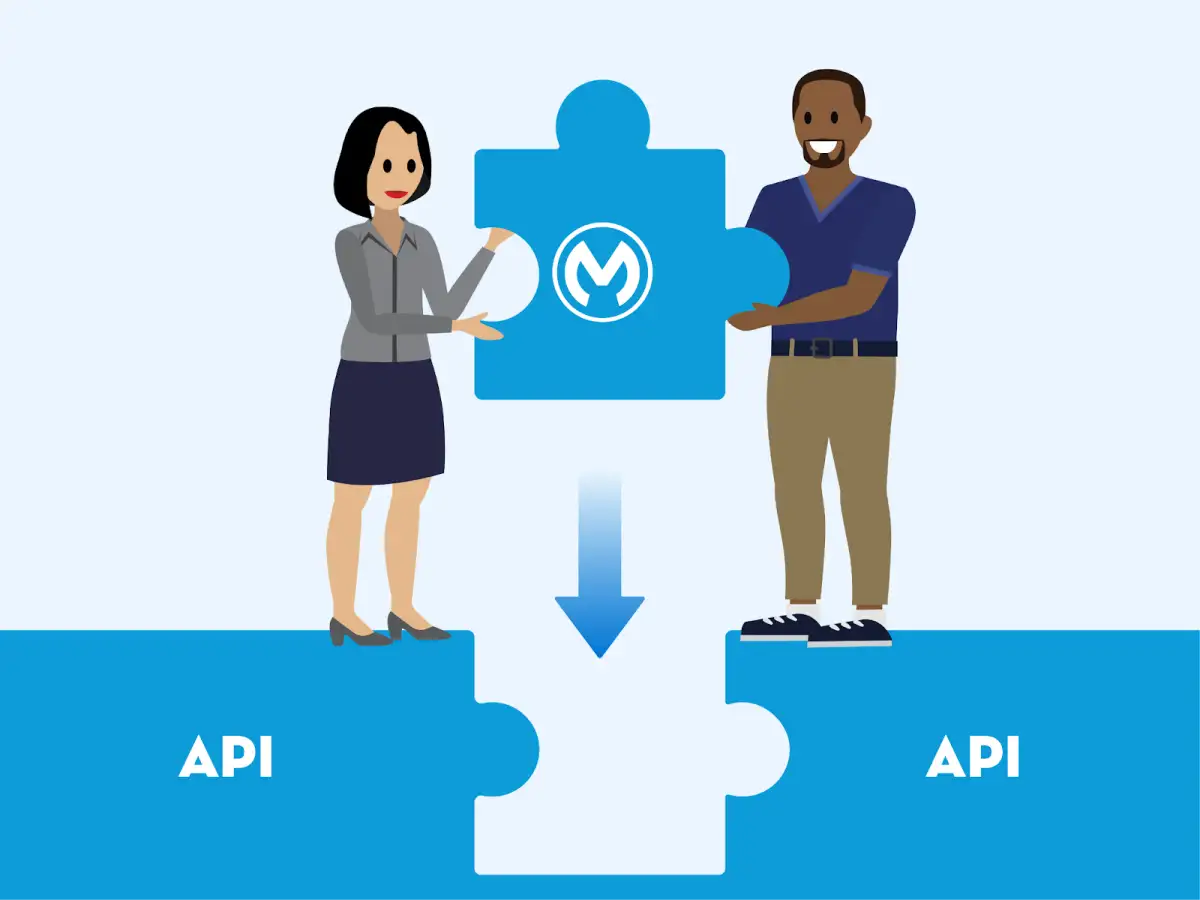
A contract is automatically established between an API instance and a client application once an Organization Administrator grants access via Anypoint Exchange. This contract underpins the connection, enabling MuleSoft to authenticate and access the organization's resources.
The credentials enabling this connection consist of a 'client ID' and a 'client secret'. Anypoint API Manager utilizes these credentials, often in conjunction with policies such as:
Mule OAuth 2.0 Access Token Enforcement
PingFederate OAuth 2.0 Token Enforcement
OpenID Connect OAuth 2.0 Token Enforcement
JWT Validation
These policies, particularly those involving client ID enforcement, are crucial for securing API interactions. For applications utilizing OAuth 2.0, a redirect URI may also be required during the contract request.
API MANAGEMENT AND DISCOVERY
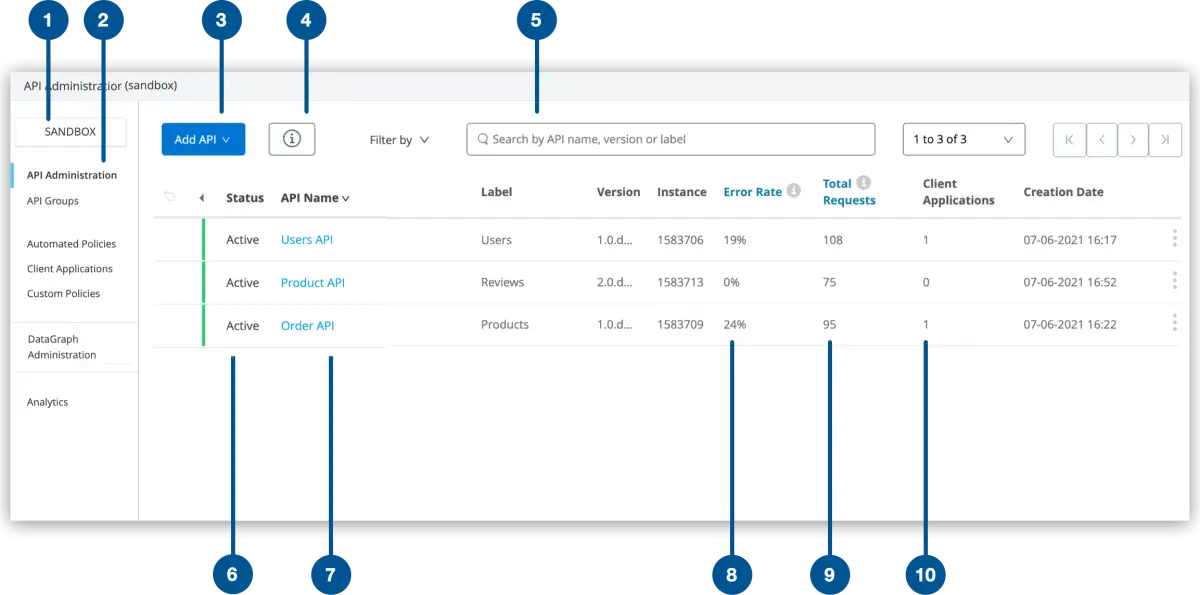
Anypoint API Manager itself is central to this ecosystem. It allows for the management, governance, and security of APIs and server instances. API groups are configured within API Manager and subsequently published to Anypoint Exchange, making them discoverable.
Read More: Why Manual Prompt Editing Is Better For AI Apps In April 2026
The platform offers various APIs for managing these assets:
Exchange Maven Facade API: For publishing and consuming assets.
Exchange Graph API: For searching assets.
Exchange API: Enables publishing, consumption, and metadata retrieval for specific assets like Agent Fabric.
The 'API Platform API', though in extended support, offers functionalities such as a public search API to find public APIs on the platform and an extended search API for internal organizational API discovery. It also provides tools to list applications associated with a given API.
BACKGROUND
Anypoint Exchange serves as a central hub where developers can publish, discover, and collaborate on API specifications and assets. Its integration with tools like Anypoint Code Builder streamlines the API development lifecycle, allowing for direct publishing of API specifications. This structured approach to API access and management, formalized through client applications and contracts, aims to enhance security and control over API ecosystems.