

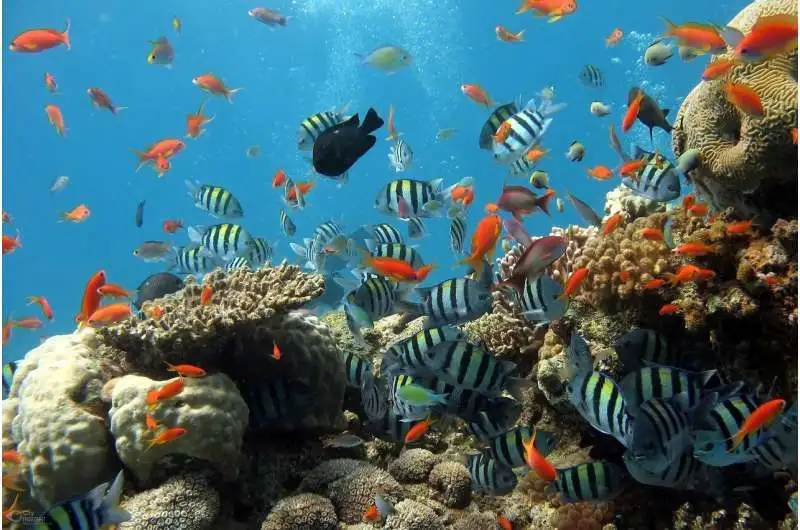
A recent study from the University of Adelaide concludes that ocean acidification indirectly degrades reef fish populations by simplifying their habitat, forcing fish into smaller, less protective shoals. Published in the Journal of Animal Ecology, the research highlights that these behavioral shifts occur independently of direct thermal stress or immediate physiological collapse.
Core Findings on Shoaling Behavior
Data indicates that the complexity of the physical environment acts as a primary scaffold for fish social structures. When acidification—driven by the absorption of atmospheric CO2—alters the reef architecture, the survival strategies of resident species begin to erode.
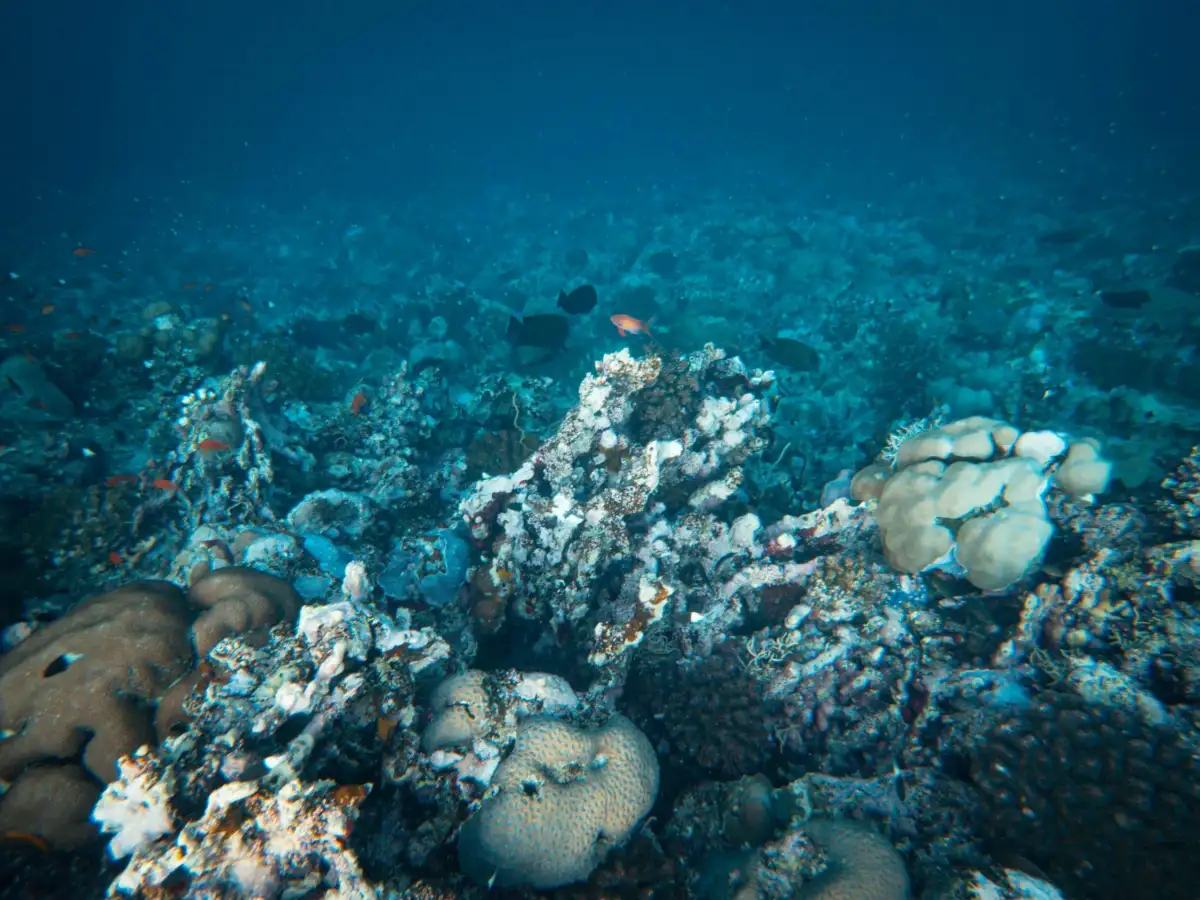
Social Protection: Smaller shoals provide fewer "eyes" to detect predators, increasing the vulnerability of individual fish.
Behavioral Decoupling: Researchers observed that fish may appear physically resilient to temperature shifts, yet their collective social networks—which dictate foraging and movement—quietly fracture.
Foraging Efficiency: Larger groups, which historically allowed fish to remain in the open and forage more effectively, are disappearing as the structural complexity of the reef declines.
"Watch a reef long enough and you realize that fish are almost never alone. They move in groups, feed in groups, and react to danger as a group," says Dr. Angus Mitchell, lead author of the study.
Comparative Environmental Indicators
To understand future aquatic conditions, researchers utilized volcanic CO2 seeps near the seafloor in Japan. These natural laboratories provide a proxy for the chemistry expected in global oceans if current carbon trends continue.
| Feature | Observation |
|---|---|
| Primary Driver | Habitat simplification due to acidity |
| Secondary Effect | Reduction in shoal size |
| Outcome | Loss of collective predator detection |
| Analogue | Japanese volcanic seafloor seeps |
Context and Implications
The shift in Social Structures represents a departure from traditional climate impact assessments, which often prioritize individual metabolic stress over ecosystem-level interactions. By focusing on the interplay between the physical environment and behavioral expression, this research suggests that the Ecological Consequences of acidification may be more subtle and pervasive than direct heat-based models previously accounted for.
Read More: Utah's Great Salt Lake Shrinks More This Year
As reefs lose their architectural complexity, the ability of fish to perform necessary survival tasks is hindered, creating a feedback loop where behavioral fragmentation potentially accelerates further loss of biodiversity. The findings imply that preserving the structural integrity of coral environments is as critical as mitigating thermal increases for the maintenance of stable marine populations.


