ISLAMABAD – The recent surfacing of a supposed diplomatic communication, termed the 'cypher', has ignited a fierce debate across Pakistan, casting a long shadow over the circumstances surrounding the ouster of former Prime Minister Imran Khan. While official statements remain guardedly ambiguous, the document has become a focal point for those who allege external interference in the country's political affairs, particularly pointing fingers at the United States.
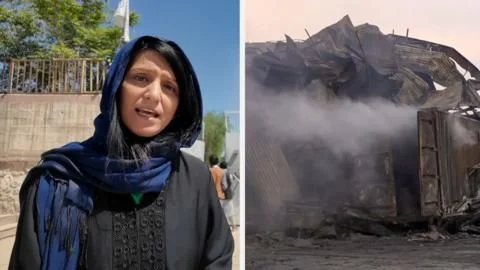
The 'cypher' controversy, ostensibly detailing a US official's remarks regarding Khan's foreign policy, has been re-energized, feeding narratives of a plot to remove the former premier. This development occurs against a backdrop of significant regional and domestic tensions, where the very idea of national sovereignty feels perpetually under scrutiny.
Regional Diplomatic Maneuvers Amidst Escalation Fears
In a separate but potentially linked development, Pakistan finds itself in a delicate diplomatic balancing act. Tehran and Washington are reportedly exchanging proposals through Islamabad, a move that underscores the nation's role as a conduit even as military escalation looms larger in broader diplomatic conversations. This intricate dance gains further momentum with the reported upcoming visit of Pakistan's military chief, Asim Munir, to Tehran. The agenda for these discussions remains unspecified, yet the timing suggests a keen interest in de-escalating regional flashpoints. This comes at a time when the nation's own internal stability, and its relationship with powerful neighbours like China, remain crucial pillars of its foreign policy.
Read More: Bob Katter Backs Budget Resource Plan, Faces Awkward Questions

Domestic Distractions: Health Scares and Unclaimed Violence
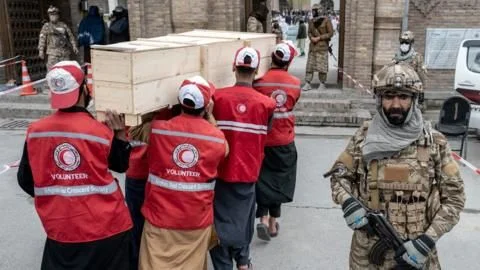
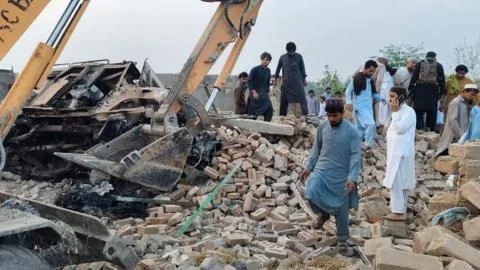
Meanwhile, the nation's internal landscape is marred by troubling reports and unexplained violence. Hospitals are reportedly putting children at risk of HIV, a stark reminder of ongoing public health challenges that persist beyond the realm of high-stakes political intrigue. Adding to the disquiet, a devastating suicide car bomb attack on a train in Balochistan, which claimed at least 24 lives, has been claimed by the Balochistan Liberation Army. This act of violence, while attributed to a specific group, adds another layer of uncertainty and fragility to an already complex national picture. The group's assertion of responsibility does little to quell the broader anxieties about security and the potential for further unrest in the region.
Read More: US Military Drill in Caracas Embassy Tests Security Today