Islamabad steps forward as a mediator, shuttling between Tehran and regional players. Prime Minister Muhammad Shehbaz Sharif's government has been actively engaging in diplomatic outreach, with recent efforts focusing on de-escalating tensions in the broader region. This push comes as Pakistan grapples with its own internal challenges, including economic stabilization and counter-terrorism operations.
Pakistani mediators are intensifying diplomatic efforts, engaging directly with Iranian leadership. This initiative involves Prime Minister Shehbaz Sharif making at least his second visit to Tehran within a week. During these visits, he has held discussions with the Iranian President and the chief of the Islamic Revolutionary Guard Corps (IRGC). These high-level engagements signal a concerted attempt to bridge existing divides and foster dialogue.
Regional Backing and Persistent Unease
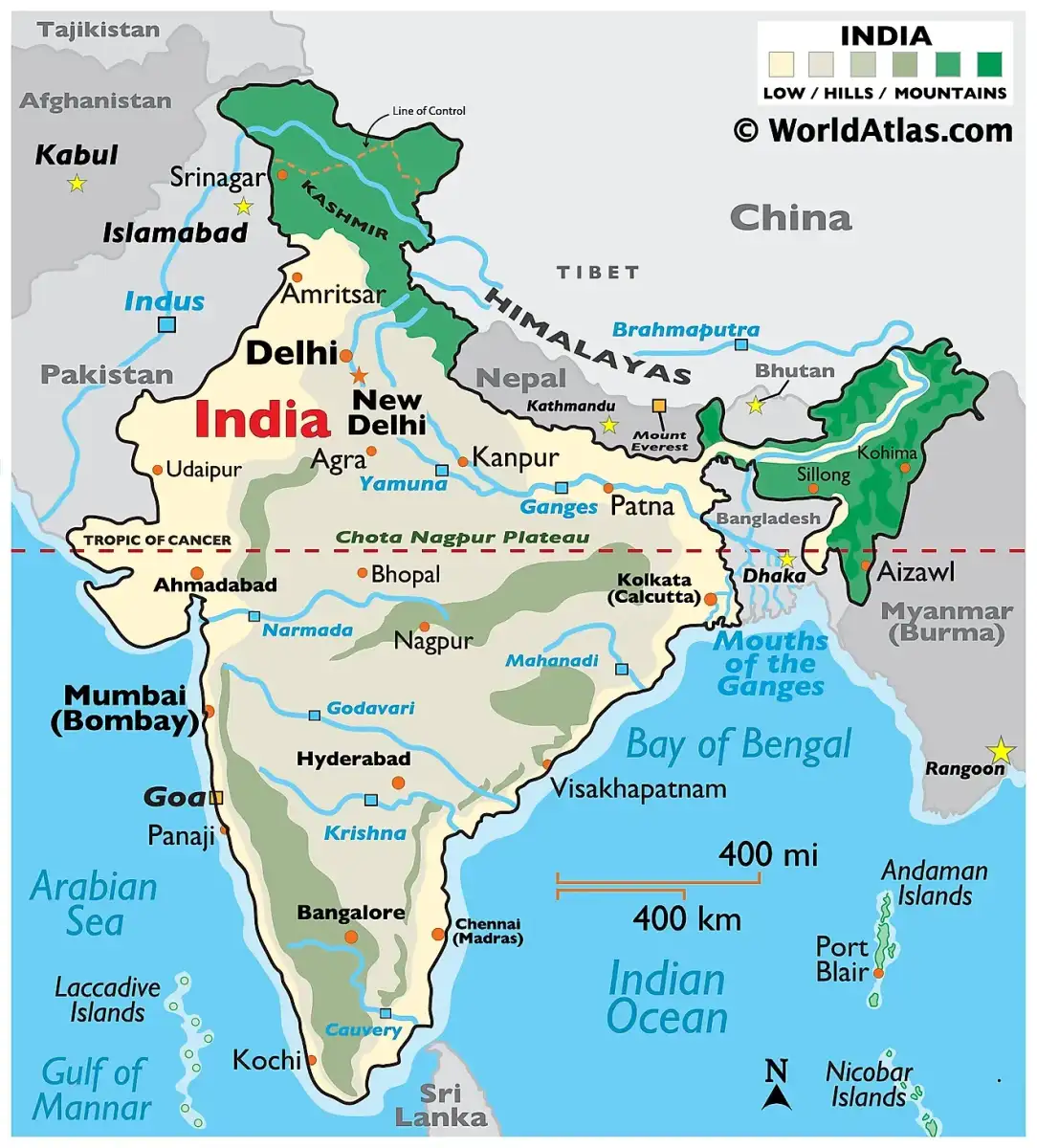
Support for Pakistan's mediation role has emerged from key regional players. The Saudi Foreign Minister has publicly backed Pakistan's efforts and commended former President Trump for encouraging diplomatic solutions. However, underlying regional suspicions remain. Iran continues to harbor doubts regarding Pakistan's close ties with Washington and Gulf states. Conversely, Pakistan harbors its own anxieties over Tehran's increasing engagement with India.
Read More: Green By-Elections Cost Over £250,000 in London
The recent regional airstrikes, which affected airspace in Iran, Saudi Arabia, and Gulf states, have underscored the fragility of the geopolitical landscape. Consequently, regional airlines have been working to restore operational capacity following weeks of airspace closures.

Pakistan: A Geopolitical and Demographic Snapshot
Geographically, Pakistan is positioned at the western edge of the Indo-Gangetic Plain. Its strategic location influences trade routes and regional market integration, controlling traditional invasion pathways like the Khyber Pass and the Bolan Pass between Central Asia and the Indian Subcontinent. The nation's terrain includes the world's second-highest mountain, K2.
Read More: Pakistan Army Chief Meets Iran FM Amid Regional Tensions
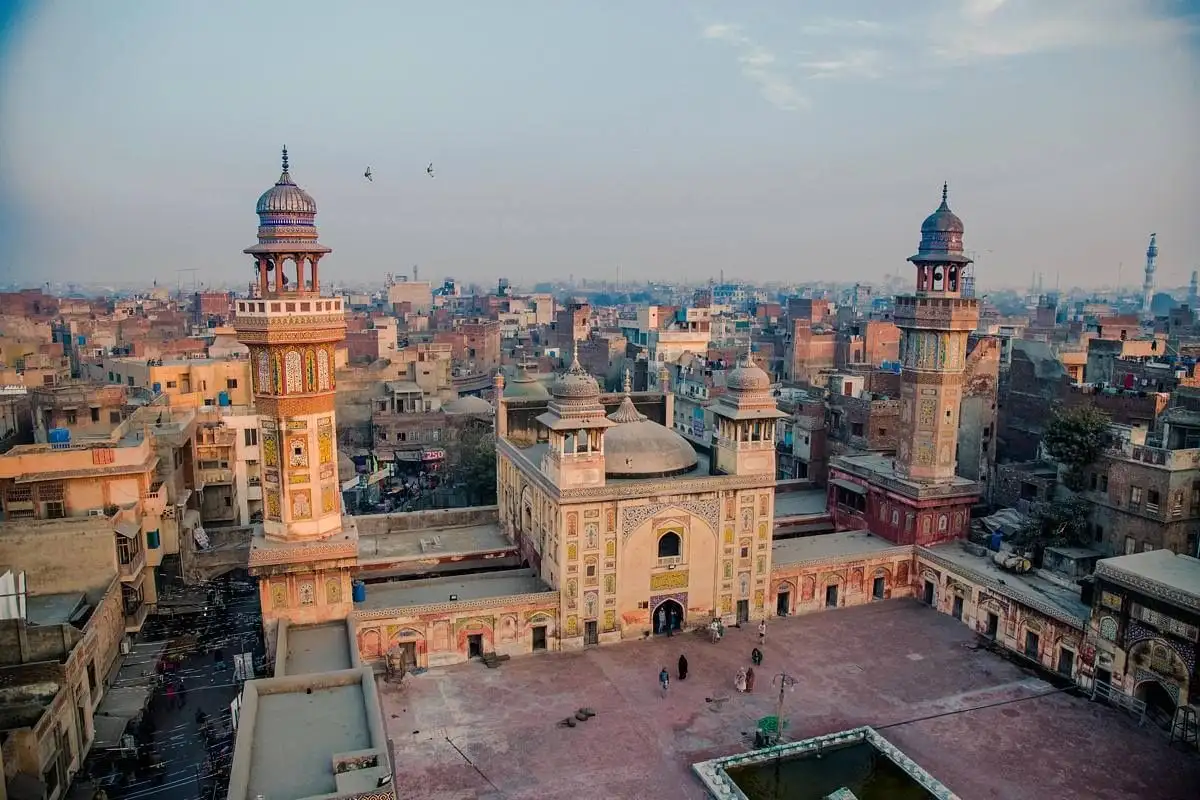
With a population exceeding 250 million, Pakistan represents a substantial demographic market within Asia. Its capital is Islamabad, and major cities like Lahore showcase significant historical architecture, including the Wazir Khan Mosque and Lahore Fort. The national currency is the Pakistani Rupee.
The country gained independence from British rule in 1947, a pivotal event that reshaped the subcontinent's demographics and political map. The Indus River plays a significant role in its geography and historical development. Major ethnic groups comprise a diverse population, reflecting the country's complex history and interactions.