


High Court Steps In Over Depictions in Educational Materials
The Supreme Court has established an expert committee, spearheaded by a retired apex court judge, to conduct a thorough review of cartoons present in NCERT textbooks. This directive emerged following objections raised by Solicitor General Tushar Mehta, who argued that "a textbook is not a place where you use cartoons." The court's decision on Friday, May 22, 2026, signifies a broader inquiry into the appropriateness of satire and lampooning within school learning materials, extending beyond a recent controversy concerning a Class 8 Social Science textbook.
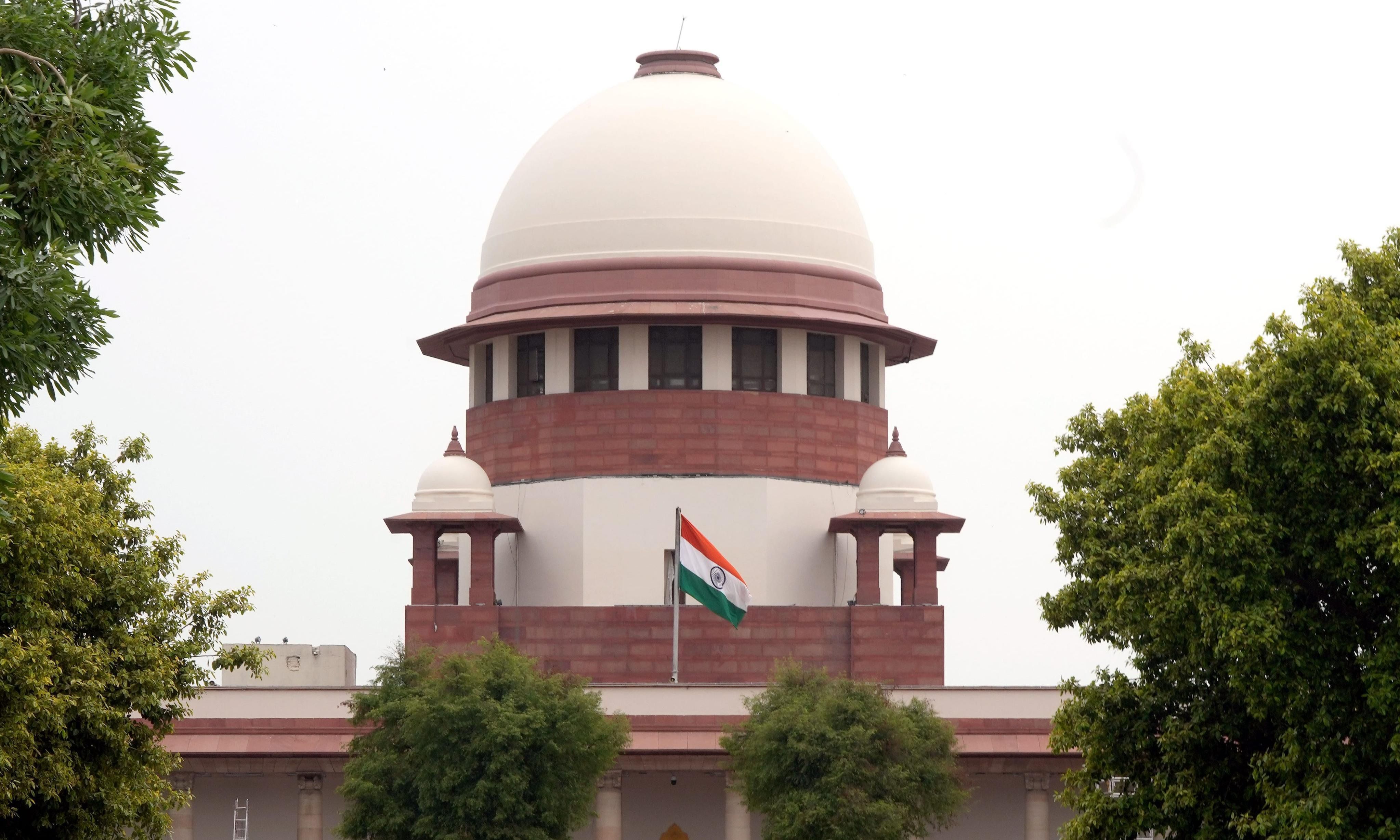
The core issue is whether cartoons and satirical depictions are suitable for school students, and the Supreme Court is now directing a formal review of their presence in NCERT textbooks.
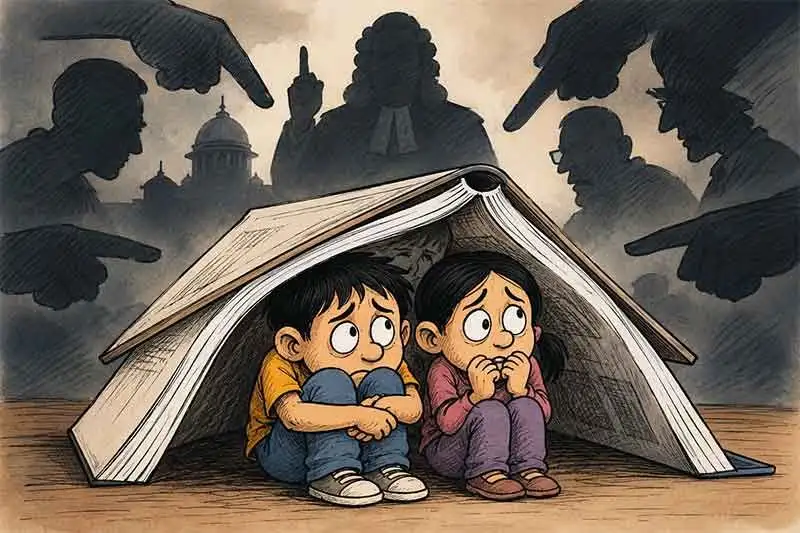
The committee’s mandate includes examining complaints related to objectionable content, perceived bias, and age-appropriateness across various classes. This action unfolds against a backdrop of ongoing discussions about NCERT’s curriculum rationalization and content revisions. Numerous organizations and individuals have voiced concerns, citing cartoons they deem politically biased, disrespectful to national figures, or otherwise unsuitable for young learners.
Read More: Northwood High Ex-Principal Dies After Retirement Party
Broader Implications and Judicial Stance
This judicial intervention is intertwined with earlier proceedings concerning a contentious Class 8 Social Science textbook chapter on the judiciary. The court had previously noted that satire should be assessed from the perspective of a reasonable person, not a hyper-sensitive one, and had cautioned against stifling freedom of expression. However, the Solicitor General's intervention on this occasion broadened the scope to include all cartoons in educational texts.

The Supreme Court has also revisited its earlier stance on academics involved in the judiciary chapter. It has modified its March 11 order, recalling remarks that accused three academics of deliberately misrepresenting facts. While the court had previously directed the Centre and states to distance themselves from these experts, the modified order allows governments to independently decide their future association. These academics were linked to the chapter "Exploring Society: India and Beyond," which had drawn criticism for allegedly presenting an unbalanced and negative portrayal of the judiciary, failing to acknowledge its positive contributions.
Read More: Crown Prosecution Service reviews suspended rape sentences on May 23 2026
The Judiciary Chapter Controversy: A Precedent
The initial uproar centered on a Class 8 Social Science textbook chapter addressing judicial corruption. NCERT subsequently withdrew the textbook and issued an apology. The court had previously ordered a ban on the book's production and distribution. The composition of the review committee, while including legal figures like former Supreme Court Justice Indu Malhotra, has also drawn comment, with some suggesting a lack of pedagogical expertise. This committee will examine complaints regarding bias and age-appropriateness.
The Supreme Court’s involvement stems from its observation that the judiciary chapter, as initially drafted, was "completely inappropriate and unbalanced." The court had previously acknowledged that criticism of the judiciary is legitimate, but the presentation must be objective. The recent directives underscore a desire for a more measured approach to sensitive topics within educational materials.
Read More: New School Book Links Faith and Money for Students
Key developments:
Panel Formation: A committee led by retired Supreme Court Justice Indu Malhotra is tasked with reviewing cartoons in NCERT textbooks.
Solicitor General's Argument: Tushar Mehta argued that textbooks are unsuitable venues for cartoons.
Broader Scope: The review extends beyond a specific controversy to all cartoons in NCERT publications.
Judiciary Chapter Modification: Supreme Court withdraws earlier adverse remarks against three academics involved in a contentious Class 8 textbook chapter.
Previous Actions: NCERT had previously withdrawn a textbook and apologized following criticism of its judiciary chapter.
Underlying Debate: The situation touches upon the balance between freedom of expression, the appropriateness of satire in education, and the need for balanced, age-appropriate content.


