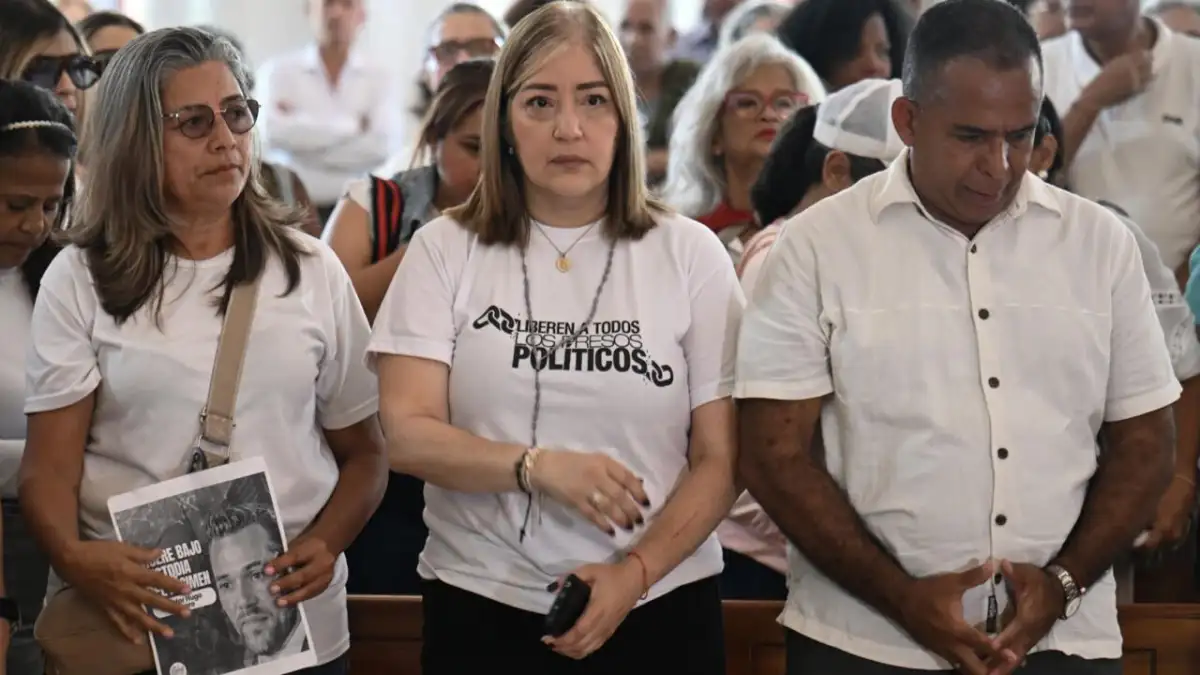
The landscape of Venezuela appears to be undergoing a stark redefinition, marked by shifting international relations and a deeply fractured internal reality. While recent pronouncements from Caracas signal a move towards rapprochement with the United States, underscored by the lifting of sanctions and a stated commitment to democratic processes, a darker undercurrent persists. Reports from May 20th detail a troubling promise of releasing 300 political prisoners over five days, a move framed as exceeding the scope of a general amnesty law. This comes on the heels of a May 18th report of a political prisoner's death in custody, with his mother succumbing to grief shortly after.
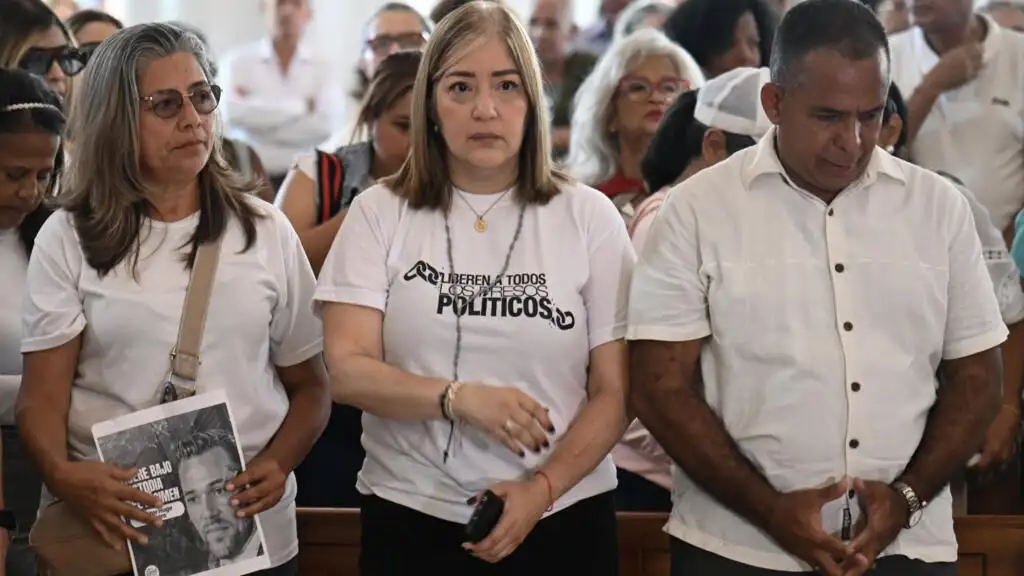
The nation’s internal mechanics seem to defy easy categorization. Reports from May 21st highlight a latent fear of forced disappearances and deaths among political detainees, a grim reality for families like that of Hugo Salas, who has not heard from his son in seven years. This paints a picture of judicial bodies failing to adhere to even basic reporting requirements for detainees.
Read More: Texas GOP Senate Primary: Paxton Wins, Will Face Talarico
This complex picture emerges against a backdrop of Venezuela's physical and historical complexities. The country's topography is diverse, ranging from coastal plains and mountains that host its densest populations, to the vast Llanos and the Guiana Highlands. Geographically, Venezuela has long laid claim to territory west of the Essequibo River, an area encompassing nearly two-thirds of Guyana's landmass.
Shifting Alliances and Lingering Repression
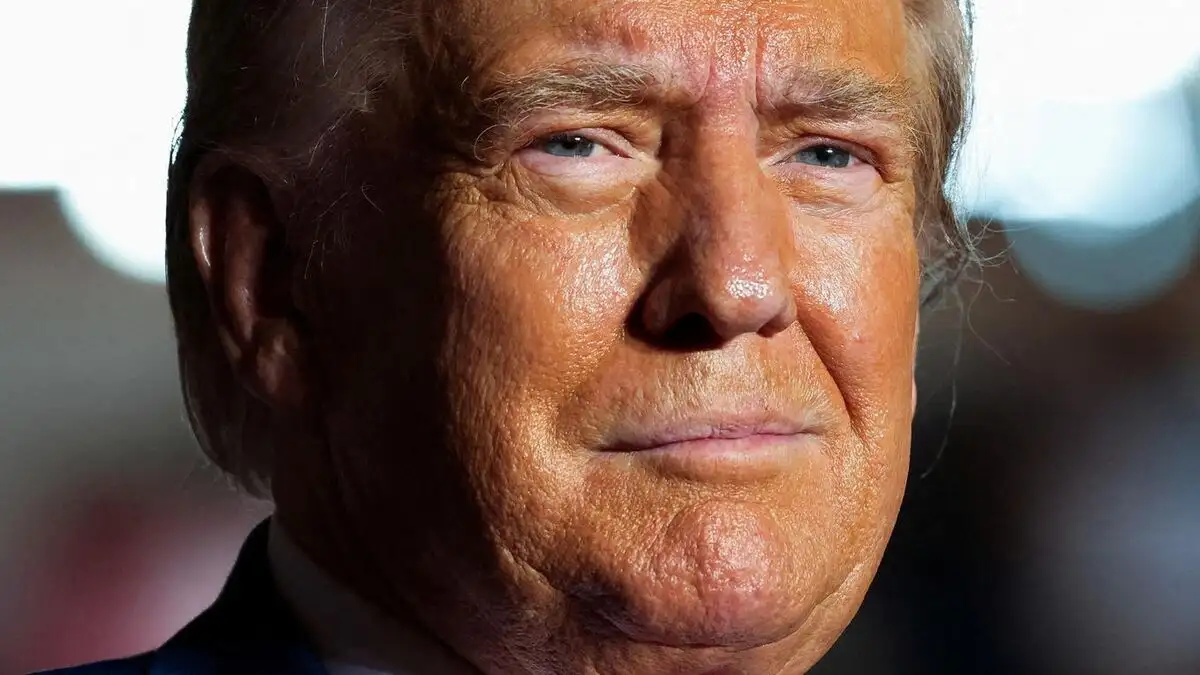
The diplomatic re-engagement between the United States and Venezuela, formalized on March 6th, 2026, appears to be a cornerstone of the current narrative. This has been accompanied by the US lifting sanctions against acting president Delcy Rodriguez and reports of five companies resuming oil operations. Former President Donald Trump's potential visit and his administration's assertion of wanting to make Venezuela the "51st state" further complicate this evolving relationship.
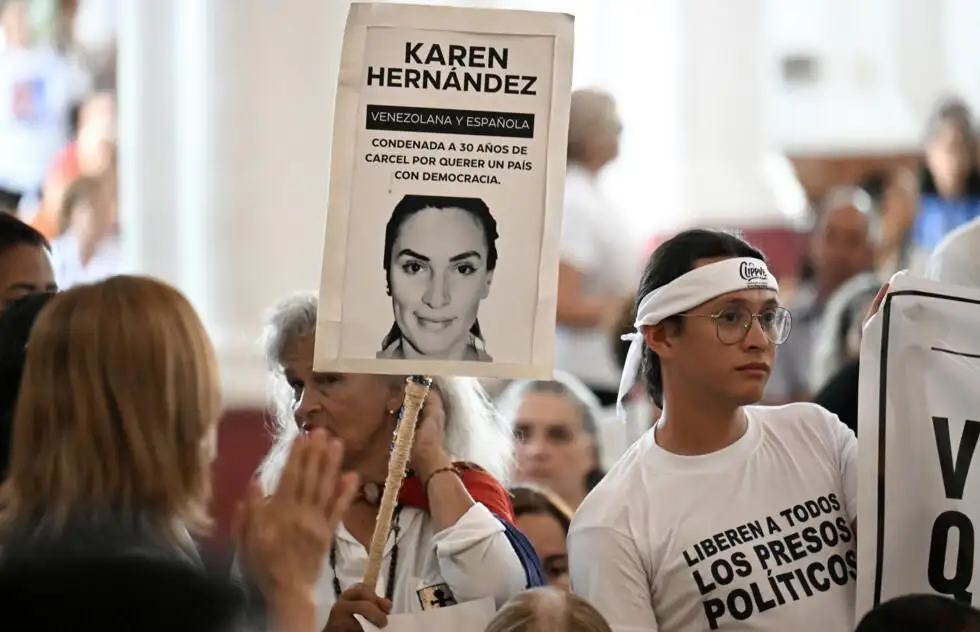
However, this supposed thawing is juxtaposed with the continued detention and alleged mistreatment of political prisoners. Over 200 such individuals began a hunger strike on February 23rd, 2026, reportedly not benefiting from an amnesty law. While over 200 political prisoners were released on February 21st and 116 more on January 12th, the cycle of detention and release, coupled with accusations of torture and inhumane conditions, suggests a persistent, unsettling duality. The release of French national Julien Février on April 28th, after over a year in detention, adds another layer to the human cost.
Read More: Pakistan PM China Visit: Deeper Ties and Shared Goals Announced
Economic Pains and Prospects
Economically, Venezuela faces significant hurdles. As of April 28th, 2026, only 30% of oil wells were operational, a stark indicator of past decay. Yet, there are aspirations to revive the oil sector, with a $1.4 billion investment signed, aiming to recreate a "Saudi Venezuela." The unfreezing of $30 billion in funds previously held by sanctions is also seen as a potential boon.
Historical Context
Venezuela's recent history has been tumultuous. The capture of Nicolás Maduro in late 2025 and his subsequent detention in the United States marked a significant turning point. His wife, also detained, maintains a strong stance from the US. The country has witnessed protests, including those against alleged mistreatment in prisons and calls for self-defense by figures like Jean-Luc Mélenchon. The presence of armed militias, the colectivos, continues to be a point of concern, with warnings issued by the US to its citizens on January 10th, 2026, to leave the country.
Read More: Trump Iran Peace Plan Needs Changes, Says President
The geopolitical dynamics are further complicated by figures like María Corina Machado, a Nobel Peace Prize laureate who has engaged with US leadership. The shifting political landscape has seen varying pronouncements, from conciliatory tones regarding dialogue to forceful rhetoric concerning national sovereignty.
The narrative of Venezuela is one of profound contradictions, where promises of a brighter future and international reintegration are shadowed by ongoing internal struggles and the persistent specter of repression.