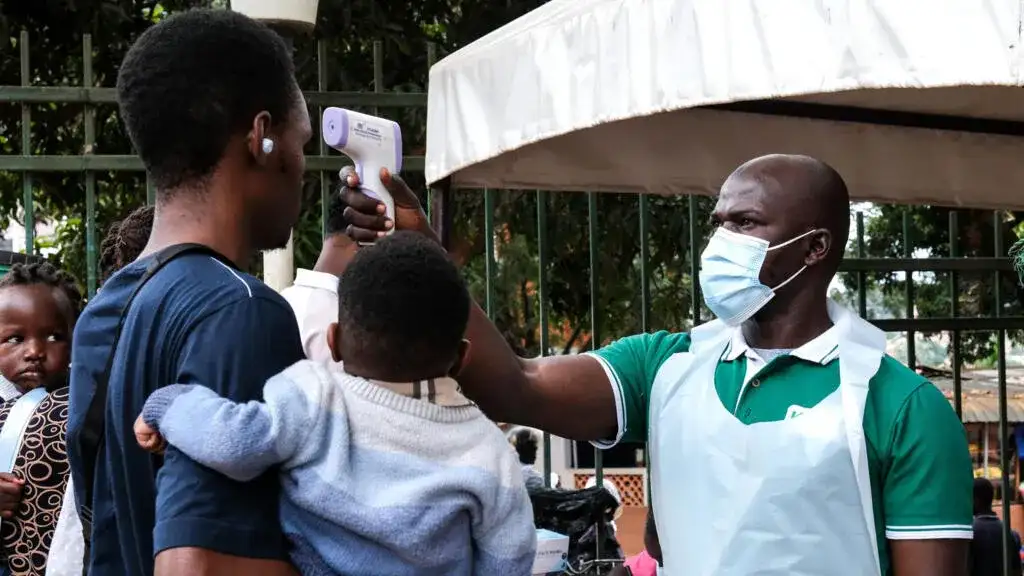
The World Health Organization (WHO) has declared the Ebola outbreak in the Democratic Republic of the Congo (DRC) and Uganda a Public Health Emergency of International Concern, signaling a grave global health crisis. This declaration follows a surge in cases, including over 80 reported deaths, and the alarming cross-border movement of the virus, particularly into Uganda. The outbreak, originating in Ituri province in northeastern DRC, is linked to the Bundibugyo strain, which currently lacks an approved vaccine or specific treatment.
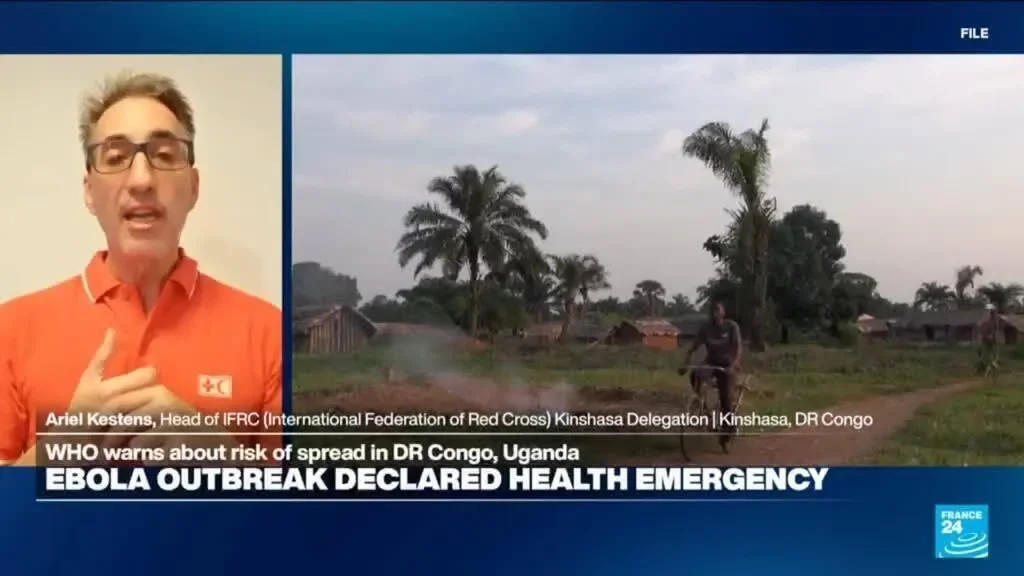
Escalating Crisis and Uncertainties
The Africa CDC reported 336 suspected cases and 87 deaths in Congo as of Saturday. The WHO confirmed that at least four healthcare workers have died after showing Ebola symptoms, raising significant concerns about infection prevention protocols in health facilities. While the majority of cases are in the DRC, two cases have been reported in Uganda, both involving individuals who had traveled from Congo. A laboratory-confirmed case was also identified in Kinshasa, the DRC's capital, situated approximately 1,000 kilometers from the epicenter, indicating a potential for wider dissemination.
Read More: India IVF Costs And Social Barriers Limit Access In April 2026
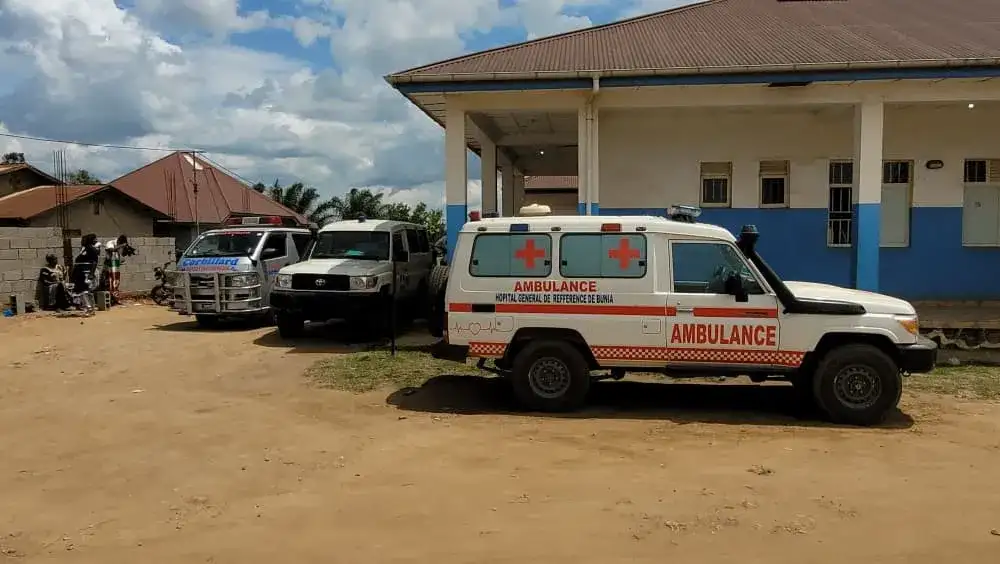
Lack of Specific Treatments and Travel Advisory
The absence of a known vaccine or targeted treatment for the Bundibugyo strain compounds the seriousness of the situation. Despite the escalating figures and cross-border spread, the WHO currently does not recommend restrictions on international travel or trade. This stance is juxtaposed with actions taken by the United States, which has invoked public health laws to limit entry from the affected region, following a US national testing positive for the strain within the DRC.

International Response and Coordination
The Africa Centres for Disease Control and Prevention (Africa CDC) has been actively involved, deploying experts to bolster surveillance, contact tracing, data management, laboratory capacity, and infection prevention efforts in the affected areas. The organization has reaffirmed its commitment to supporting the DRC in its response. Notably, a previous Ebola outbreak in the DRC's Kasai province last year resulted in 45 deaths. The current declaration comes as authorities work to ascertain the speed of the virus's spread.
Read More: Fikra API Africa Mobile Money AI Access for Developers

Background: Past Outbreaks and Health Infrastructure
This latest declaration highlights ongoing challenges in managing infectious diseases within the region. The UNICEF reports on the successful conclusion of a previous Ebola outbreak in the DRC on December 1, 2025, where extensive vaccination efforts and decontamination measures were employed in collaboration with international partners like the International Organization for Migration (IOM), Médecins Sans Frontières (MSF), and the World Health Organization. This prior experience underscores the complex, multi-agency approach required for containment and response.