Microscopic analysis of residues on surgical instruments from the tomb of a 15th-century Chinese physician, Xia Quan, has provided the earliest direct chemical evidence of anesthetic use in surgical procedures. The findings, stemming from a 14th-century Ming Dynasty burial, indicate that medical practitioners of the era possessed sophisticated knowledge of managing potent, toxic substances for pain relief.
The research highlights that Ming physicians understood how to control the toxicity of aconitine, a compound derived from plants like monkshood, through methods such as topical application, combination with other substances, and strict procedural controls. This suggests a practical ability to balance the drug's potency with patient safety. While historical texts described the production of such anesthetic powders, this discovery marks the first concrete archaeological proof of their application in surgery.
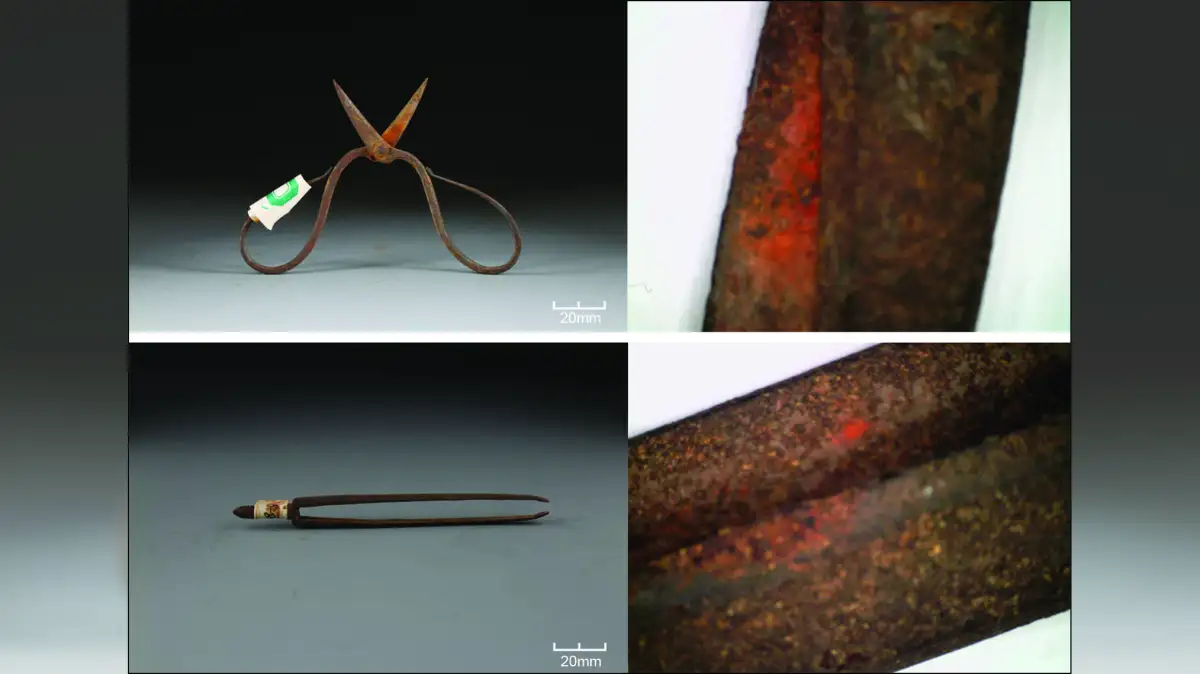
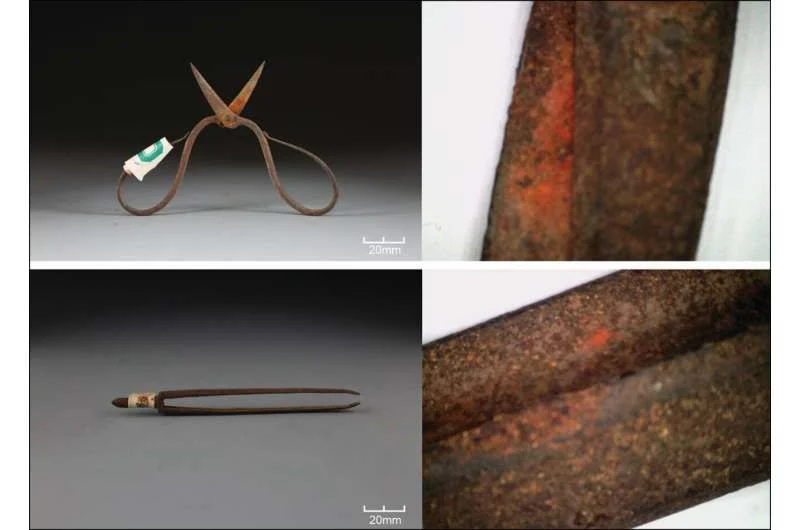
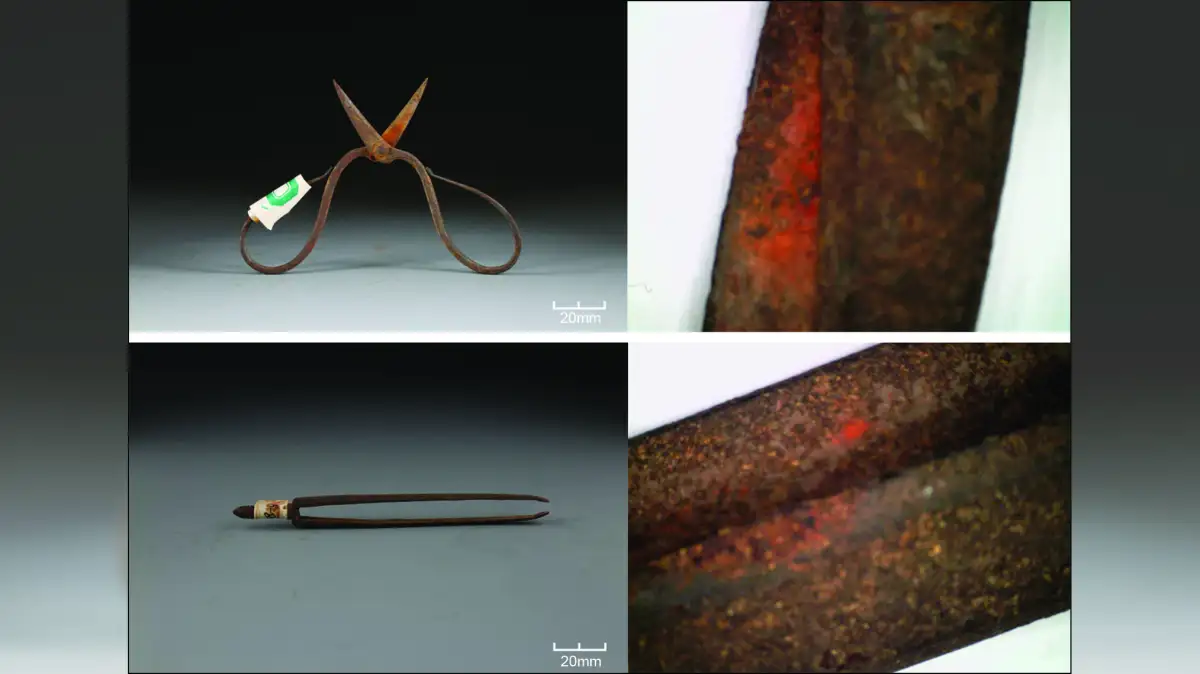
The Stimulated Raman Scattering (SRS) microscopy technique was crucial in analyzing minute residues trapped on a pair of surgical scissors and tweezers. This advanced, non-destructive method allowed researchers to identify the anesthetic properties without compromising the ancient artifacts, overcoming previous challenges with sample preservation and size limitations common in ancient Chinese medical residue analysis.
Read More: St. Augustine's ideas on justice help explain US politics
The discovery, detailed in studies examining findings from Xia Quan's tomb, offers a significant glimpse into the advanced medical understanding of the Ming Dynasty. It challenges previous assumptions about the historical timeline of anesthetic application, pushing the earliest chemical evidence back considerably. Experts not involved in the research have affirmed its importance, labeling it as the earliest direct evidence of anesthetic use.
The practice described involves the careful topical application of aconitine, a substance known for its toxicity. Ming physicians, therefore, not only knew how to produce anesthetic agents but also demonstrated a refined understanding of their safe administration, pointing to a complex and advanced medical system during that period. This contrasts with earlier archaeological findings, such as those potentially related to pain relief in Han Dynasty contexts, which have not yielded direct chemical evidence on surgical tools.
Read More: FDA Approves Wegovy for Liver Disease with Scarring