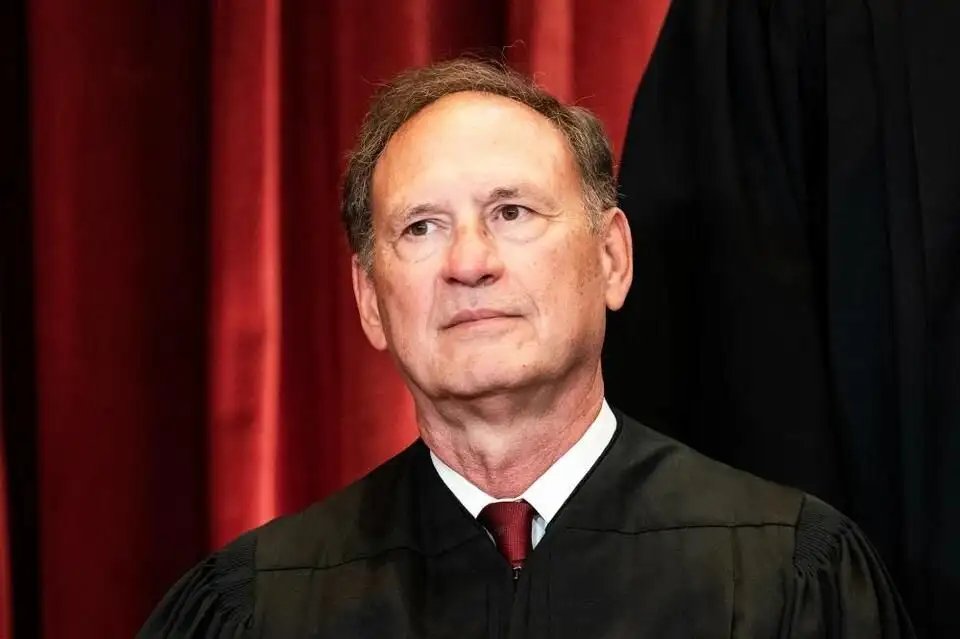
Supreme Court Justice Samuel Alito is refusing to recuse himself from a significant case concerning climate change litigation, a decision that has drawn sharp criticism from watchdog groups and calls for a Senate Judiciary Committee investigation. The crux of the contention centers on Alito's past and present investments in energy companies, which critics argue present a clear conflict of interest or, at the very least, the appearance of one. The court, through a spokesperson, has stated that Alito has no disqualifying conflict.

Alito's financial ties to the energy sector are cited as grounds for recusal, though the Supreme Court asserts no conflict exists requiring him to step aside. The justice previously abstained from voting on similar cases that involved other energy firms, including ConocoPhillips and Phillips 66. However, his most recent financial disclosure reports indicate holdings in various oil companies, prompting accusations that he may be unable to impartially adjudicate cases where his financial interests could be perceived as compromised.
Read More: Judge Orders White House Staff to Keep Records Starting May 26
A coalition of liberal organizations formally petitioned the Senate Judiciary Committee to scrutinize Alito's involvement. They contend that enforceable ethics standards should prevent justices from ruling on cases where they possess financial stakes or where their impartiality could reasonably be questioned. These groups highlight that the outcome of the current Supreme Court case, involving energy giants ExxonMobil and Suncor Energy and a lawsuit seeking damages for climate change harms, could significantly impact ongoing litigation against other energy companies.
The Supreme Court has remained largely silent on the specifics of Alito's financial disclosures or his reasoning for not recusing himself. While court guidelines do not mandate explanations for such decisions, transparency advocates, including Senator Dick Durbin, have pointed to this situation as further evidence of the need for greater public accountability within the judiciary. The court itself recently declined to hear appeals in related cases, underscoring the broad implications of the current climate litigation before it.
Read More: Bezos suggests no income tax for half of Americans