The indictment of Fidel Castro has been described by Donald Trump as a "very big moment for" Cuban Americans, according to a recent statement. Trump's remarks came as Iran formalized the creation of a new body, the Persian Gulf Strait Authority, for managing passage through the Strait of Hormuz. This development occurs amidst ongoing diplomatic efforts and differing stances on navigation and nuclear issues between Iran and Western nations.
Strait of Hormuz Activity Amidst Tensions
Iran continues to assert control over the Strait of Hormuz, a vital artery for global hydrocarbon trade. The United States military maintains a blockade on Iranian ports. Data from maritime tracking firm Kpler indicates a significant increase in traffic through the waterway. Between May 11th and May 17th, 55 vessels carrying raw materials transited the strait, a notable rise from the 19 recorded the previous week. This surge in activity coincides with efforts to broker an agreement following a ceasefire that ended nearly 40 days of strikes, though fundamental disagreements, particularly concerning the nuclear program, persist.
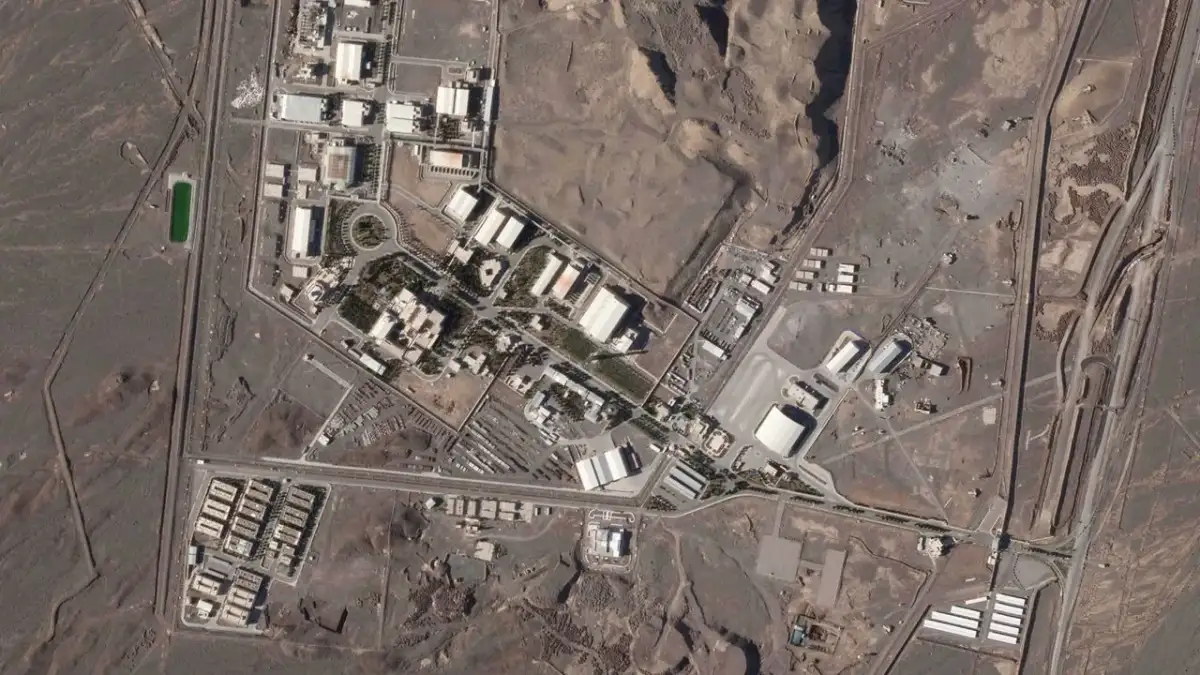
Read More: Iran Zagros Mountain Nuclear Site Construction Update April 2026
Western countries and the European Union have voiced opposition to Iranian control over the strait, advocating for freedom of navigation. Despite these concerns, traffic levels have returned to averages observed since the conflict began.
Background:
The situation around the Strait of Hormuz is a recurring point of international contention, with significant implications for global energy markets. Iran's actions to formalize control over the strait, coupled with ongoing diplomatic maneuvers and military postures, highlight the persistent geopolitical complexities in the region. The reference to the Castro indictment, framed as a significant event for Cuban Americans, offers a distinct narrative alongside the maritime and geopolitical reporting.