The line between artistic expression and outright disruption appears increasingly blurred, with figures and actions challenging conventional notions of creation and reception. From artists employing firearms in their work to the literal destruction of public art, the contemporary art scene grapples with acts that skirt the edges of legality and public order. This situation is further complicated by individuals who brand themselves or are branded as "hooligans" within the art world, often linked to controversial methods or provocative subject matter.
Disruptive Art and its Proponents
The engagement with violence, particularly gun violence, has become a stark theme for some artists. Maurizio Cattelan, known for his provocative installations, explored themes linked to firearms, even using a shooting range for an artistic endeavor, though the specifics remain debated. Similarly, exhibitions like "America’s Well-Armed Militias" at SPACES directly confronted gun violence, featuring artists who interpreted concepts surrounding its prevalence in society. This approach attempts to present a "visceral reality" that may transcend mere factual reporting.
Read More: Banana Art Stolen From French Museum, Replaced Quickly
Another facet of this disruptive art landscape involves performance art where the artist's own body becomes the medium, often subjected to extreme or dangerous situations. Chris Burden, a pioneer in this genre, famously orchestrated events where he was shot, kicked, and subjected to other forms of physical harm, prompting reflection on the performer's intent and the audience's reaction. Other artists have pushed boundaries through deliberate self-harm or by using their bodies in ways that challenge societal norms and artistic conventions, sometimes with the intent to critique the perceived banality of established art.
The "Hooligan" Archetype in Art
The term "hooligan" surfaces in various contexts within the art world, suggesting a rebellious or disruptive identity. Tania Wade, described as a "hooligan art dealer," operates in a space characterized by a "rock and roll" approach, brokering sales for artists like Noel Fielding. Her efforts have garnered attention from major press outlets.
Read More: New Atheism movement splits on April 7 2026 over political views
Beyond dealer-artist relationships, the term is also associated with direct acts of vandalism and destruction. In Massachusetts, public sculptures in a park have been repeatedly targeted by individuals described as "hooligans," leading to the destruction of multiple works. The motivations behind such acts, while not always clear, highlight the intense emotions art can evoke. Russian art collective Voina has also been labeled "art-hooligans," with members facing imprisonment for their provocative actions, demonstrating a defiance against authority through their artistic output.
Historical Precedents and Broader Implications
The exploration of extreme or transgressive art is not a new phenomenon. Figures like Edward G. Robinson, a Hollywood actor, curated extensive art collections and engaged with artists like Frida Kahlo, showcasing a historical link between influential figures and significant art patronage, even when those figures operated outside traditional art circles.
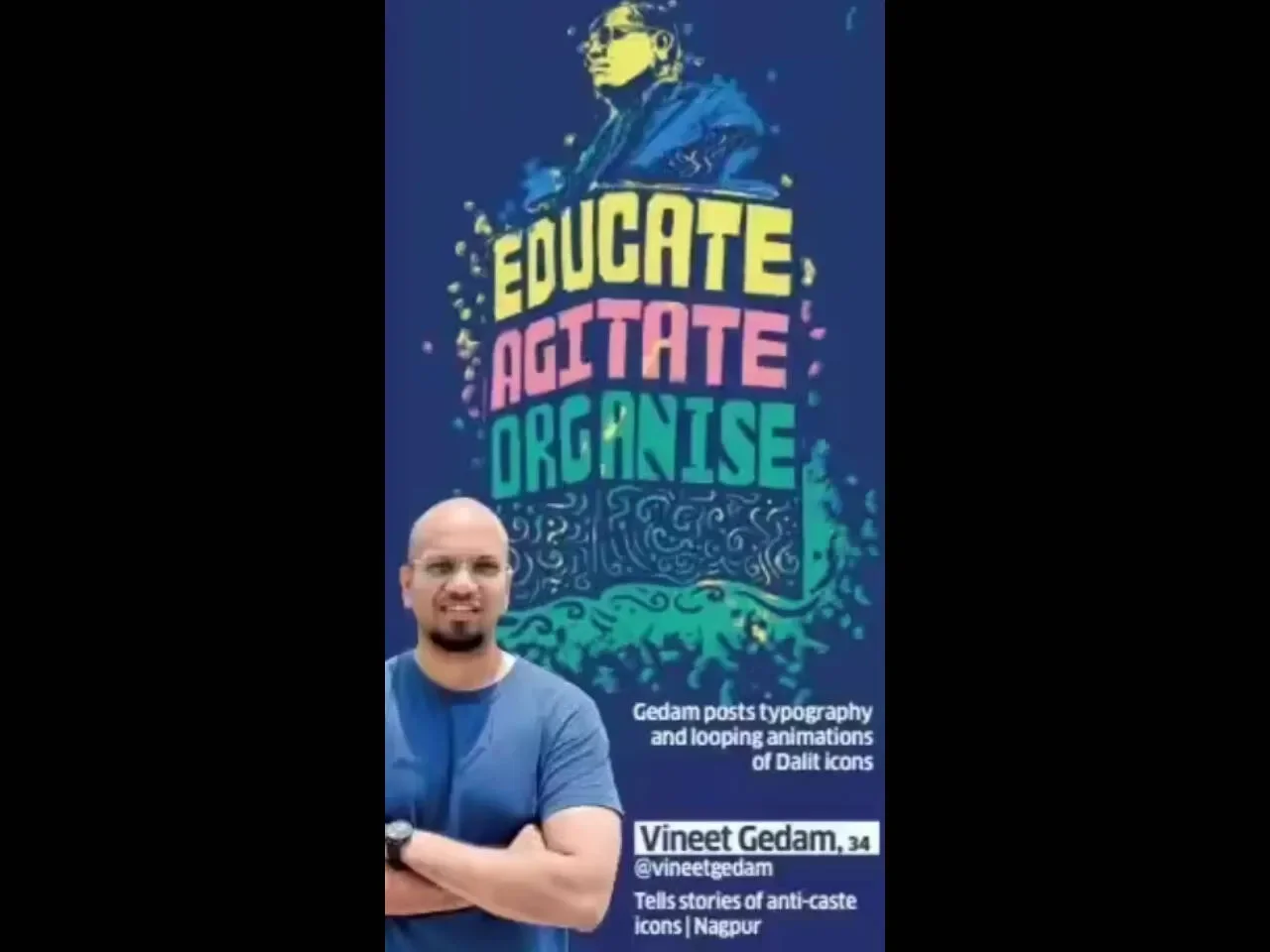
Read More: Indian artists use Instagram for anti-caste art
The act of defacing or destroying art, as seen with the "hooligan" attacks on sculpture and discussions around vandalism of artworks, brings up questions about ownership, public space, and the very nature of art's vulnerability. Banksy, an anonymous street artist whose works have significant cultural impact, also exists in a realm where art is often created in public spaces and can be subject to alteration or removal.
Ultimately, these varied instances – from artists staging dangerous performances and engaging with themes of violence to individuals or groups engaging in vandalism and provocative artistic statements – suggest a persistent tension within the art world. This tension stems from the inherent drive to push boundaries, provoke thought, and challenge established norms, sometimes resulting in actions that blur the lines between artistic statement and societal transgression.
Read More: ‘Mogging’ term spreads: Is it a joke or a sign of competition?