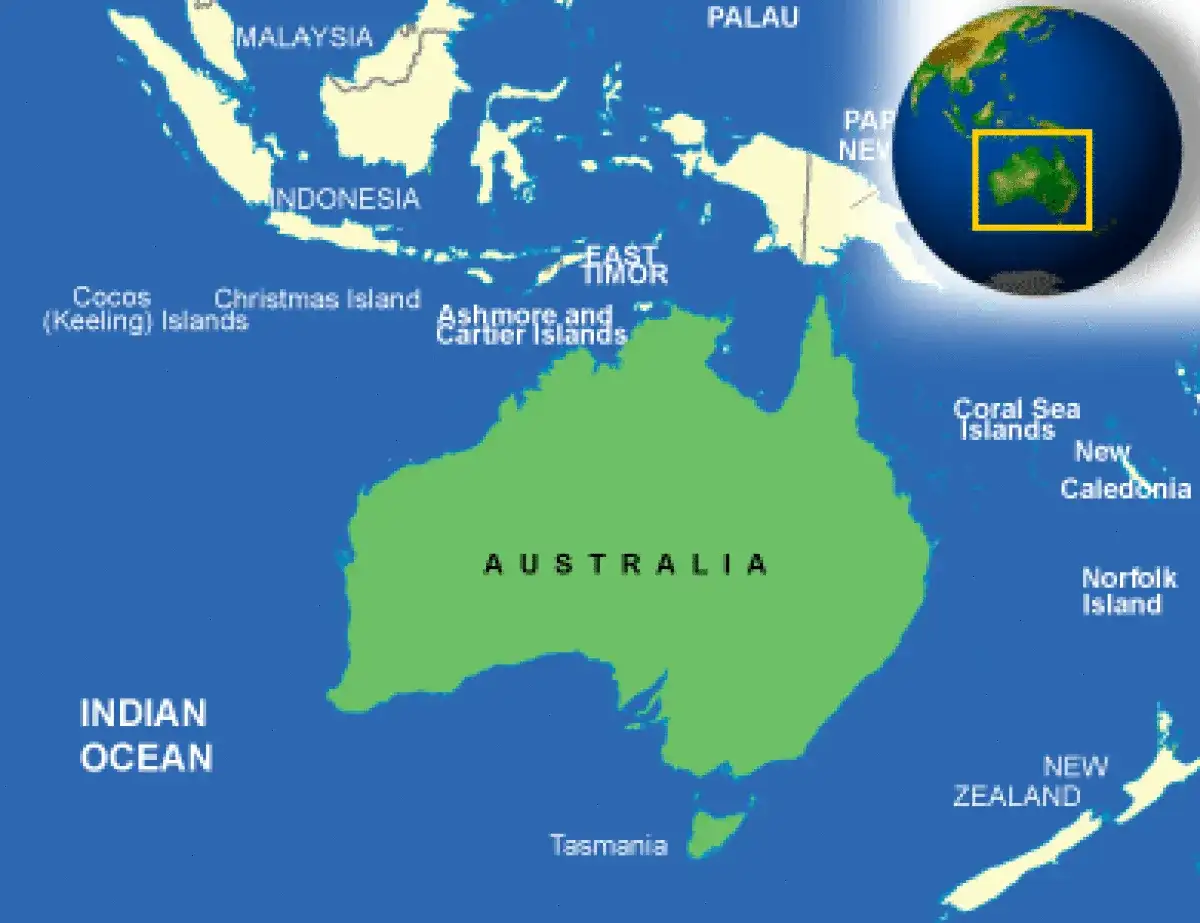
Recent discourse indicates a growing undercurrent of contingency planning regarding the ambitious 'AUKUS' security pact. While official pronouncements maintain a steady course, behind-the-scenes conversations are reportedly exploring alternative strategies should the primary submarine development path encounter insurmountable obstacles. The substance of these discussions remains opaque, but the very fact they are occurring signals a degree of uncertainty surrounding the project's original trajectory.
The core of the speculation revolves around the feasibility and timeline of delivering nuclear-powered submarines to Australia under the current AUKUS framework. Several factors contribute to this undercurrent of doubt, ranging from the sheer complexity of the technological undertaking to the shifting geopolitical landscape that could necessitate different defense capabilities. The repeated emphasis on the "robustness" of the existing plan, paradoxically, can sometimes amplify the perceived need for fallback options.
Read More: Ukraine gets 100 Patriot missiles with $1 billion EU loan for defense
Technical Hurdles and Shifting Sands
The challenges inherent in transferring advanced nuclear propulsion technology and constructing a new class of submarines are substantial. These are not simple logistical issues; they involve intricate engineering, extensive training, and significant industrial ramp-up across multiple nations. Furthermore, the international security environment is not static. What appears a definitive strategic necessity today might evolve, prompting a re-evaluation of the most effective means to achieve allied objectives.
The AUKUS agreement, a tripartite security pact between Australia, the United Kingdom, and the United States, was unveiled in September 2021. Its centerpiece is the provision of conventionally armed, nuclear-powered submarines to Australia, a move intended to bolster maritime security in the Indo-Pacific region. However, the actualization of this complex undertaking has been met with a variety of challenges, fueling the nascent discussions about a 'Plan B'.
Read More: AFP Reviews War Crime Claims Against Australian in Gaza
"The commitment to AUKUS remains unwavering. We are focused on delivering the best capabilities for Australia." - An unnamed defense official, speaking anonymously to manage expectations.
The narrative surrounding AUKUS has, from its inception, been one of bold strategic intent. Yet, the practicalities of such a grand design often diverge from the initial grand pronouncements. This gap between ambition and execution is precisely where the fertile ground for alternative considerations can emerge, not as an indictment of the primary plan, but as a prudent acknowledgement of the unpredictable nature of large-scale defense projects.