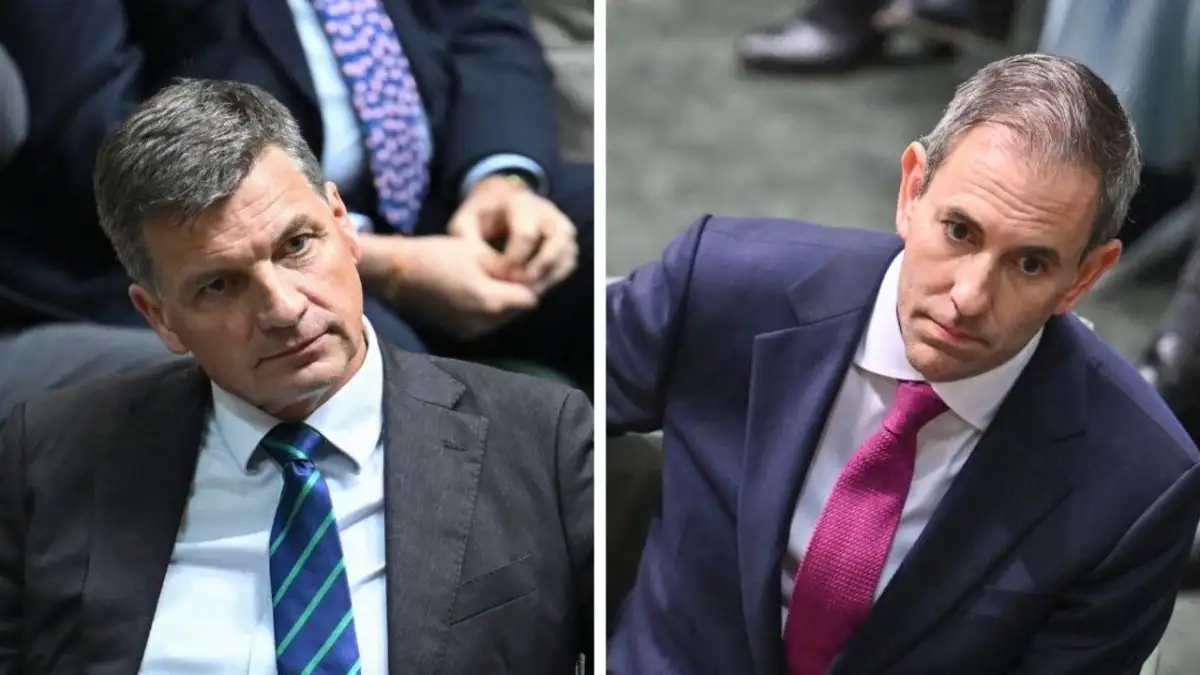
The nation's jobless rate has edged higher, reaching 4.5 per cent in April, a figure not seen since 2021. This uptick, reported by the Australian Bureau of Statistics, suggests the cumulative effects of escalating interest rates and ongoing global conflicts are beginning to cast a shadow over the employment landscape. Treasurer Jim Chalmers, while acknowledging the rise, pointed to the government's record of job creation, stating over 1.2 million jobs have been added during their tenure. However, when pressed on whether this trend might influence the Reserve Bank's interest rate decisions, Chalmers offered no direct commentary, maintaining a stance of non-interference in monetary policy.
Meanwhile, a significant debate is unfolding around proposed tax reforms, particularly concerning capital gains tax (CGT) and negative gearing. Former Prime Minister Paul Keating has publicly thrown his support behind Treasurer Chalmers's CGT overhaul, deeming it "structurally sound" and "important." This backing, however, stands in stark contrast to criticism from other quarters. New South Wales Premier Chris Minns has vocally opposed the federal government's handling of income tax, advocating for individuals to retain more of their earnings. The broader tax changes, detailed in the government's latest budget, aim to address intergenerational fairness and potentially cool housing market growth. Despite these stated intentions, the reforms have drawn backlash, particularly from segments of the small business community, manifesting in online dissent and even AI-generated protest imagery.
Read More: Goldman Sachs predicts 15 million US jobs lost to AI by 2036
The federal government's recent budget initiatives, designed to promote intergenerational equity and reshape the housing market, are facing a mixed reception, highlighting a growing divide in political and public opinion regarding fiscal policy and its impact on the economy and individual financial well-being.

Economic Indicators and Government Response
The rise in unemployment coincides with a period of elevated inflation and successive interest rate hikes by the Reserve Bank. Treasurer Chalmers indicated these economic pressures were "expected." The government has highlighted other initiatives, such as the Housing Australia Future Fund and the Help to Buy scheme, as measures designed to support aspiring homeowners. Prime Minister Anthony Albanese pointed to the 5 per cent deposit requirement for first-home buyers as a successful program, enabling 250,000 people to enter the housing market.
Read More: Taiwan Holds Nantou County Drills to Prepare for State Collapse
Tax Reform Under Scrutiny
The recently unveiled federal budget includes substantial changes to CGT and negative gearing policies. These reforms, described by Chalmers as "the right thing to do for millions of Australian workers," have been framed as a necessary step towards long-term economic fairness. This marks a departure from pre-election assurances by the Prime Minister, who had previously pledged no changes to these tax policies. Chalmers has defended these adjustments, acknowledging a shift in the government's position but refraining from labelling it a broken promise. He anticipates the tax reforms will moderate house price growth, though continued upward trends are still projected.
International Relations and Other Developments
Separately, the federal government has summoned the Israeli ambassador to the Department of Foreign Affairs and Trade (DFAT) following a flotilla incident, with Foreign Minister Penny Wong reportedly describing an Israeli action as "degrading." In a different context, reports indicate health workers in the Democratic Republic of Congo may be "under-prepared" to combat an Ebola outbreak.
Read More: New ways to measure AI's impact on jobs and economy
Background: A Budget of Ambition and Controversy
Treasurer Chalmers has presented the latest budget as one of the most significant of the 21st century, aiming to balance cost-of-living relief, tax reform, and national resilience amidst global disruptions, including the ongoing war involving Iran. The government's fiscal strategy has been criticized, with some labeling it financially mismanaged. The approach to tax changes, specifically regarding CGT and negative gearing, represents a key policy pivot for the Labor government, aimed at addressing wealth inequality and housing affordability challenges. This shift has ignited considerable public and political debate, underscoring the complex interplay of economic pressures and ideological considerations shaping contemporary Australian policy.
Read More: FBI Analysts Review Georgia 2020 Election Data in Fulton County