:max_bytes(150000):strip_icc()/inflation_final-8652eb79d80348f49810849af466bb44-2fa938fced9a4c20898afba701445531.png)
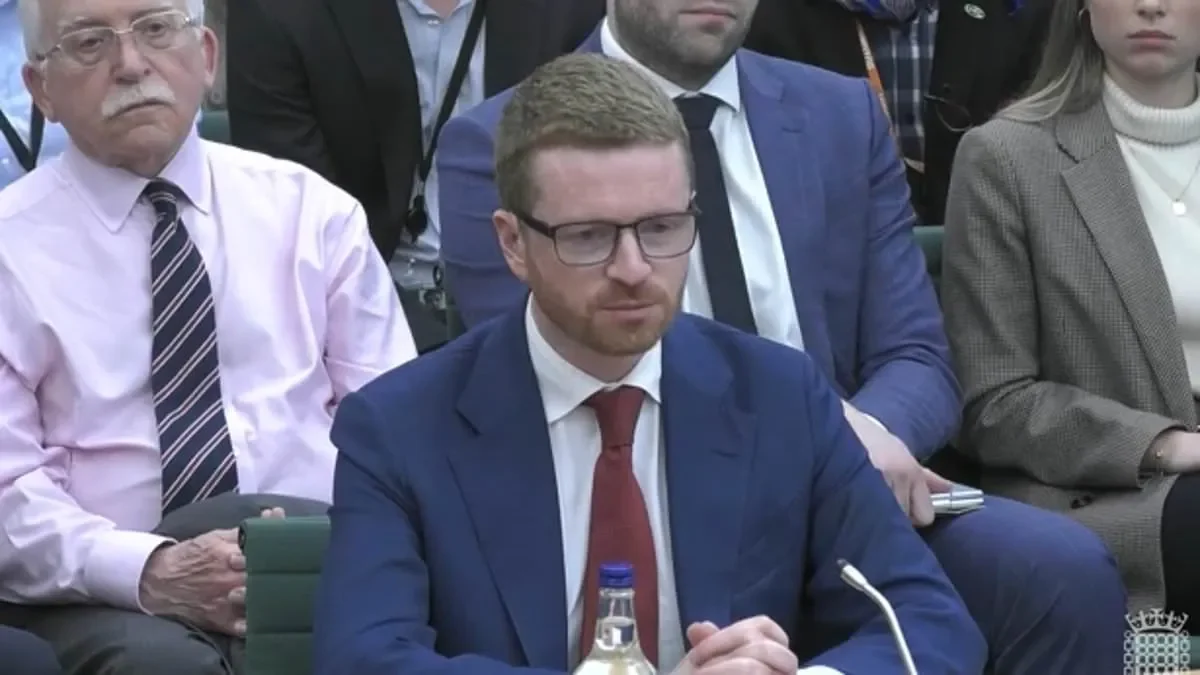
The latest figures show a dip in the rate at which prices are climbing, reaching 2.8%. This moderation, however, is not a signal of widespread price decreases but rather a slowing of the upward climb. Officials attribute this lull, in part, to a confluence of factors: a government initiative cushioning energy expenses, a pre-existing drop in wholesale energy costs, and a relative calm in certain global flashpoints. Furthermore, a decrease in water and sewage charges, alongside adjustments to vehicle taxes, contributed to this statistical softening.
Yet, the narrative of easing prices is fragile. Experts caution that persistent global pressures, particularly the ripple effects of conflict in Iran driving up oil prices, could easily reignite inflationary headwinds. This external vulnerability suggests that while interest rate hikes remain a tool to curb inflation, their efficacy against price surges fueled by international events might be limited.
Read More: Goldman Sachs predicts 15 million US jobs lost to AI by 2036
The Mechanics of Price Escalation
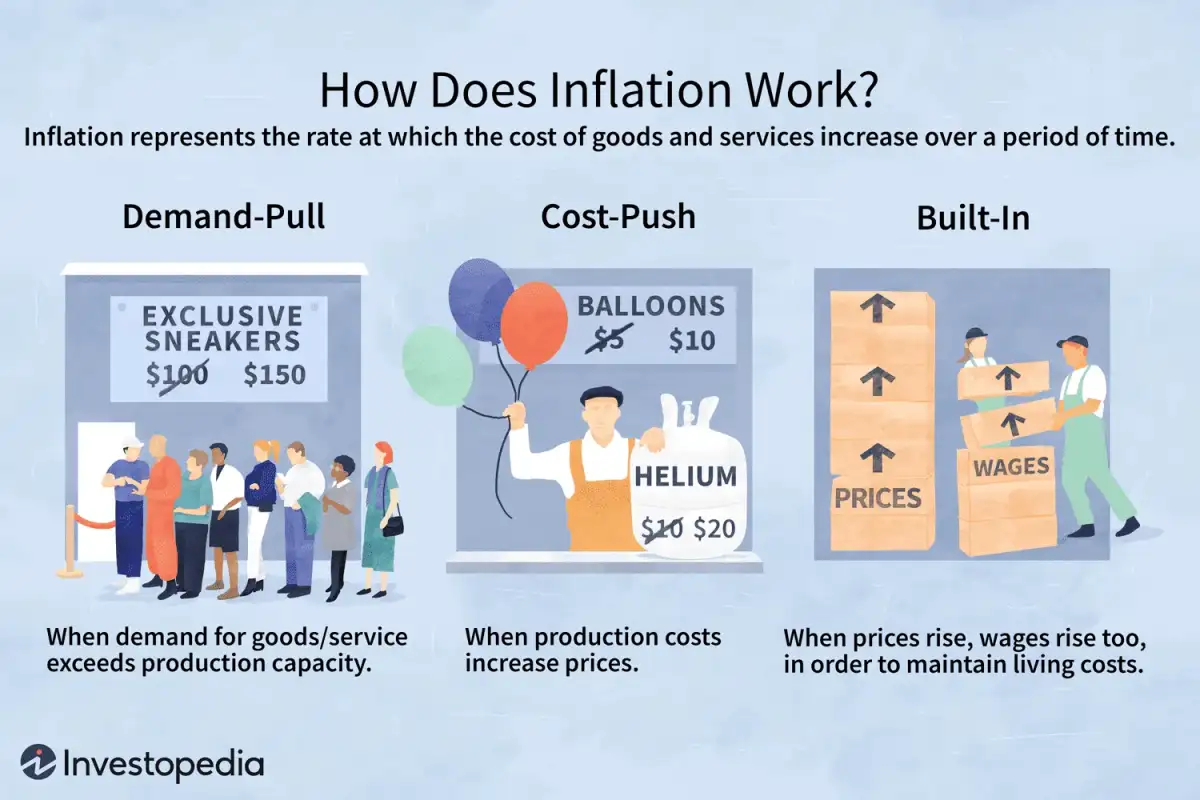
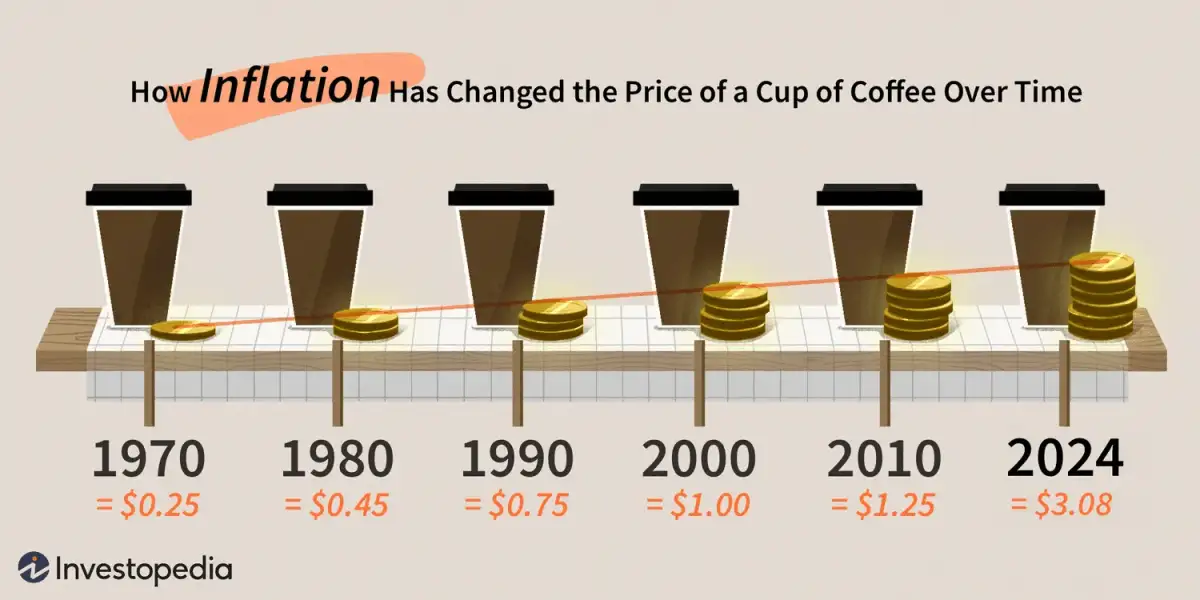
Inflation, at its core, is the measure of how rapidly the cost of goods and services ascends. It erodes the buying power of money. Economists categorize this phenomenon into distinct forms: demand-pull inflation, where too much money chases too few goods; cost-push inflation, driven by rising production expenses; and built-in inflation, a self-perpetuating cycle often linked to wage-price spirals.

While a high inflation rate signifies accelerating prices, a low rate does not necessarily equate to falling prices. It merely indicates that the speed of their ascent has decreased. The current economic landscape is a testament to this nuance, where temporary relief from specific cost reductions coexists with the specter of external price shocks.
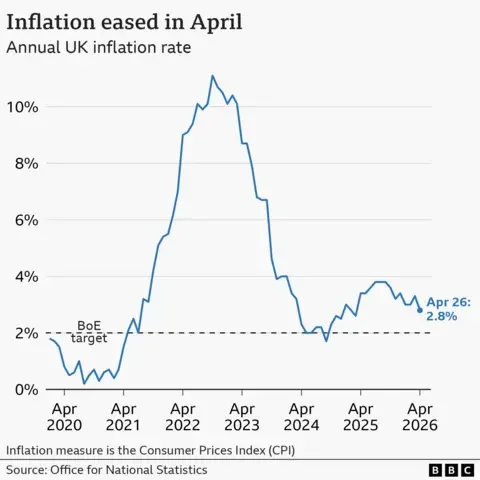
Background: Historically, when inflation diverges significantly from a set target, central banks typically respond by adjusting interest rates upwards. This mechanism aims to cool demand and, by extension, temper price increases. The interplay between domestic policies, global events, and these monetary tools continues to shape the economic reality.
Read More: Tess Daly wears wedding ring in London after split from Vernon Kay