TEHRAN - Ayatollah Ali Khamenei, the supreme leader of Iran for nearly four decades, has died. His death, confirmed on March 1, 2026, by Iranian state media, followed what were described as 'Israeli-American strikes' on the country. The timing and details surrounding these strikes, launched on February 28, 2026, remain a subject of intense scrutiny. The official announcement declared a 'forty-day mourning period' for the nation.
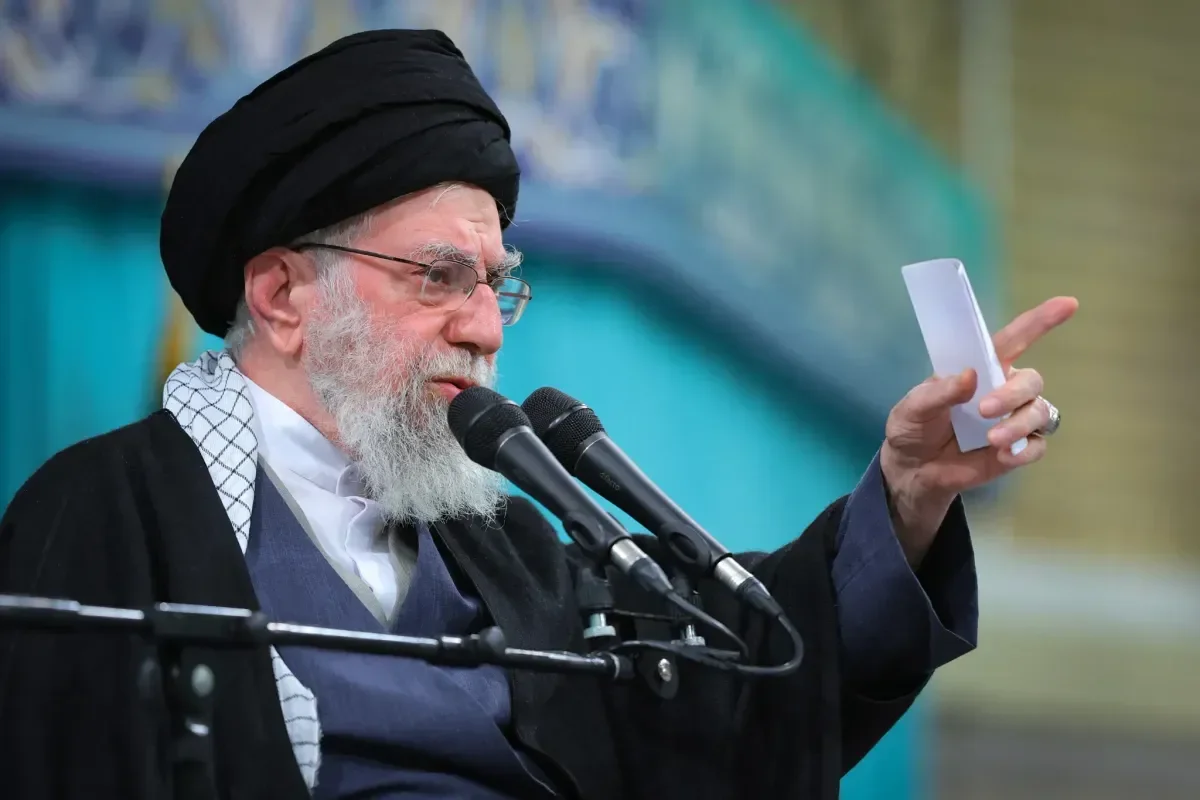
Khamenei's passing marks a significant shift in the region's power dynamics. His demise, according to reports, occurred during the initial salvos of the conflict. His successor, Mojtaba Khamenei, reportedly sustained only "superficial" injuries from the same strikes that claimed his father's life. The Iranian government has stated that its forces are prepared to enact revenge for the attacks.
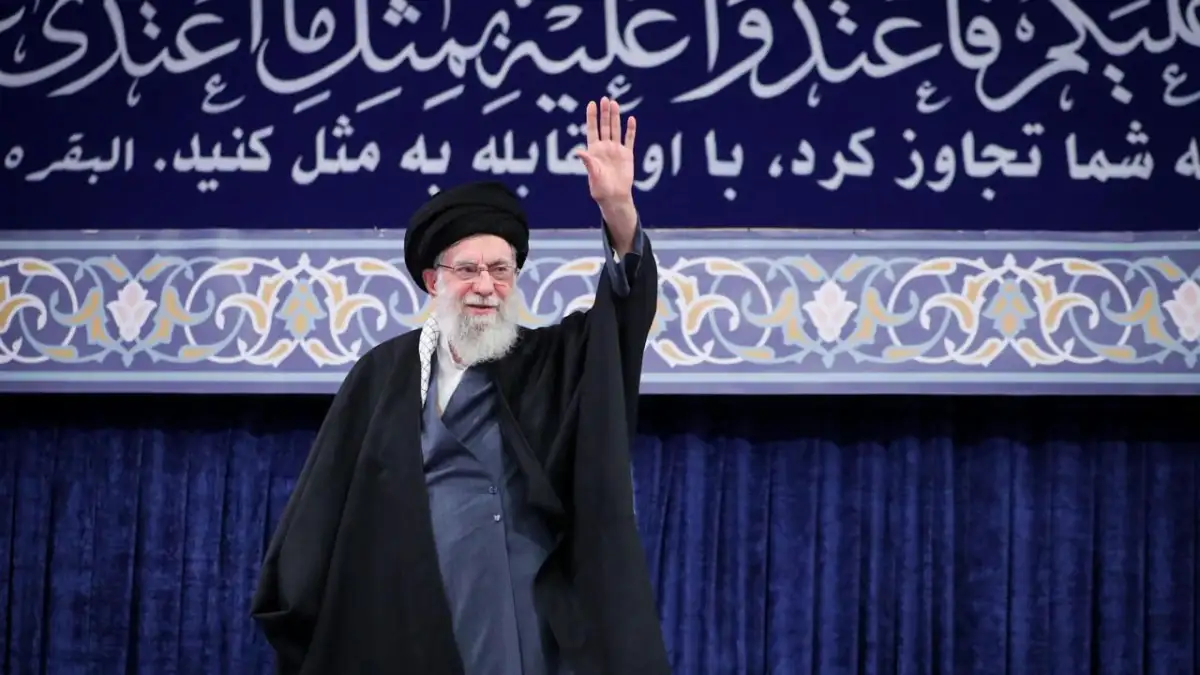
Succession and Regional Repercussions
The mantle of supreme leader has fallen to Mojtaba Khamenei, who had previously succeeded his father. His public appearances have been limited since his designation on March 8, 2026, with communications largely relying on written statements. A spokesperson for the Iranian Ministry of Health has asserted that Mojtaba Khamenei was able to leave the hospital on March 1, the day after the initial strikes.
Read More: Taiwan Holds Nantou County Drills to Prepare for State Collapse
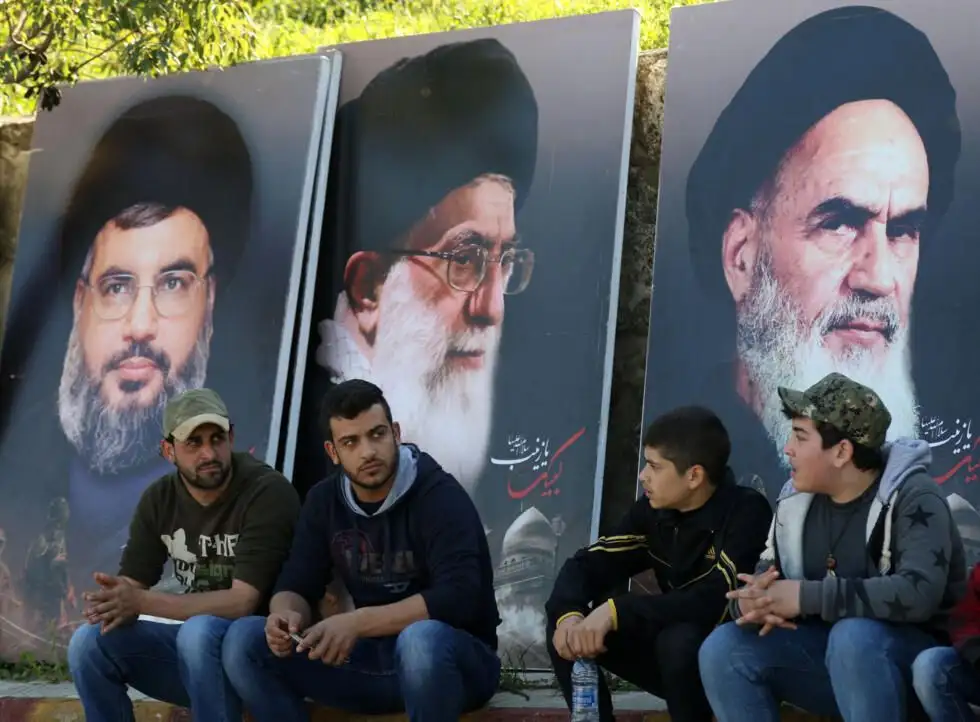
The "axis of resistance," a regional bloc cultivated under Ali Khamenei's guidance, is said to be "considerably weakened" by his death and the ongoing conflict. This strategic network, which included significant influence in Lebanon, Iraq, and Syria, faces an uncertain future. Reports also indicate the death of other family members, including Khamenei's daughter, son-in-law, and granddaughter, along with a niece and another sister's husband.
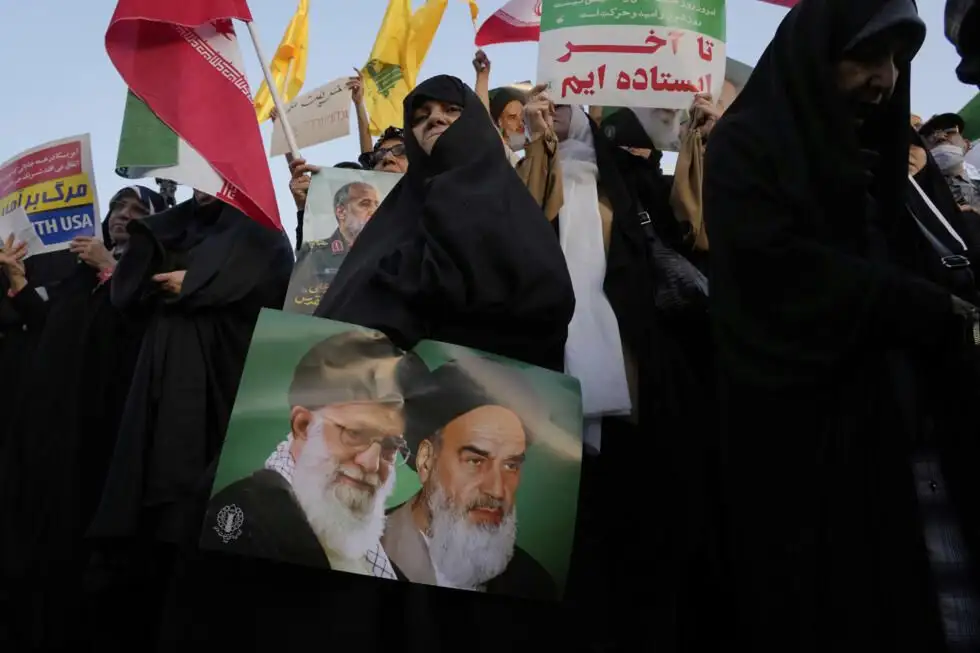
Khamenei's Enduring Legacy and Leadership
During his tenure, Ali Khamenei, the second supreme leader since the 1979 revolution, presided over a period marked by continuous crises and internal dissent. His leadership was characterized by a firm grip on security, defense, and foreign policy, with ultimate authority vested in his role as commander-in-chief of the Iranian armed forces. He held sway over key appointments, including military chiefs, revolutionary guards commanders, and judicial officials.
Read More: Gulf Oil Exports Rise in June but Still Below Pre-War Levels
Under his direction, the Islamic Revolutionary Guard Corps expanded its control over the nation's economy and extended its influence beyond Iran's borders. Khamenei's administration was frequently cited by non-governmental organizations and the United Nations for 'numerous human rights violations'. Despite this, his death has elicited expressions of condolence from various figures, including the Grand Mufti of Oman and Ayatollah Sistani, highlighting the complex and multifaceted nature of his influence.
Background
Ayatollah Ali Khamenei’s political rise began with the Islamic Revolution. Prior to assuming his role, he had pursued religious studies in Najaf, Iraq, and Qom, Iran. He maintained a modest residence in central Tehran. His leadership style has been described as uncompromising and contested. The circumstances of his death are inextricably linked to a broader geopolitical conflict involving the United States and Israel, described by some as a continuation of hybrid warfare against Iran.
Read More: FBI Analysts Review Georgia 2020 Election Data in Fulton County