Novel Foraging Habits Could Alter Forest Pathology
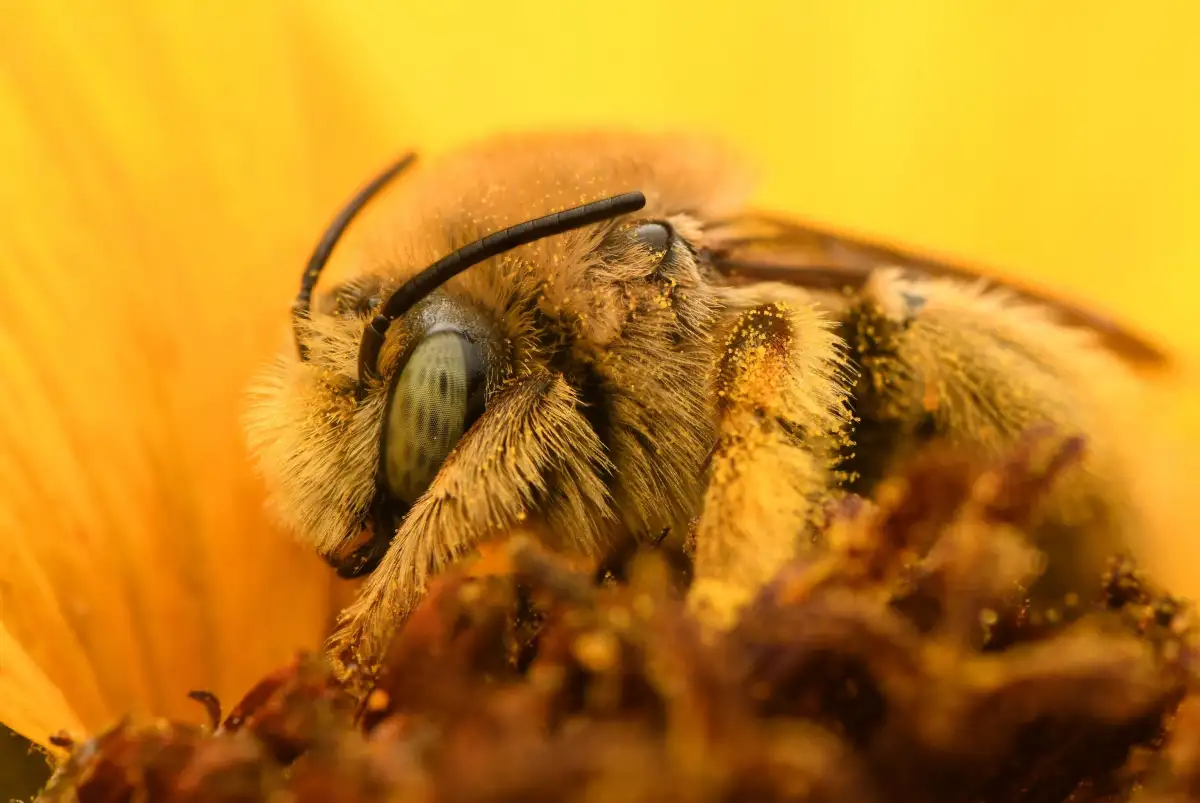
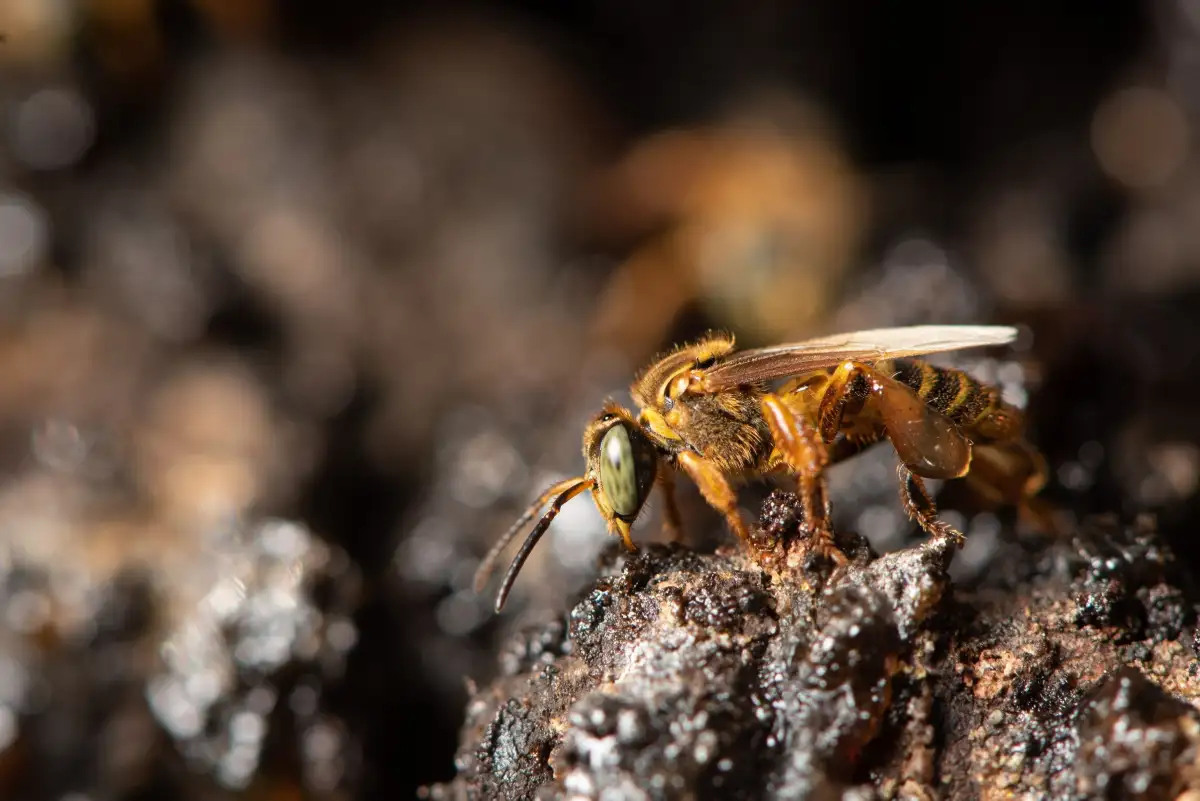
Bees, usually associated with floral sustenance, have been observed consuming material from trees afflicted by a destructive forest disease. This unexpected behavior suggests a potential new pathway for the disease's propagation. While the precise implications remain under scrutiny, initial findings point towards these insects as unwitting vectors.
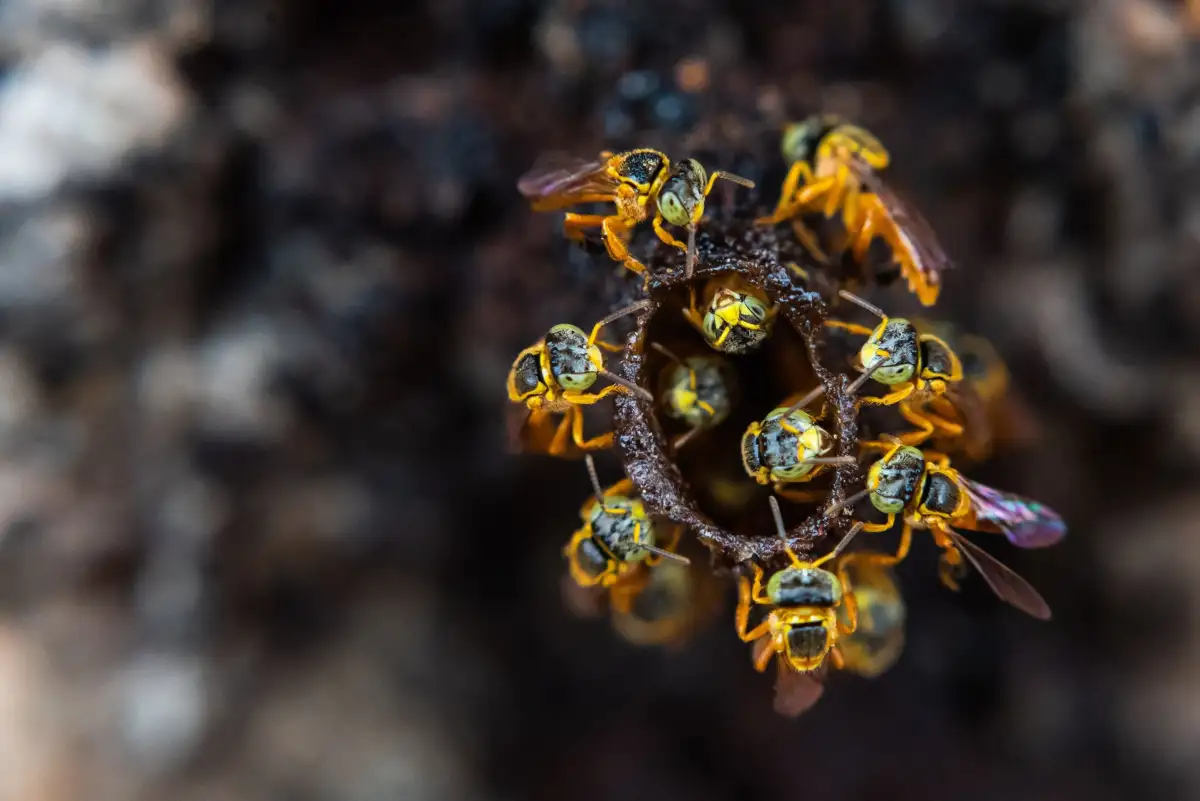
Researchers have noted bees interacting with trees suffering from specific ailments, diverting from their typical pollen and nectar gathering. The exact substances bees are ingesting from these diseased trees are still being investigated. However, the observation itself is significant, as it challenges long-held assumptions about bee dietary habits and their ecological roles.
The disease in question has been a persistent concern for forest health, and understanding its transmission mechanisms is crucial for containment. The involvement of bees, a ubiquitous and mobile species, introduces a complex new variable into existing models of disease spread.
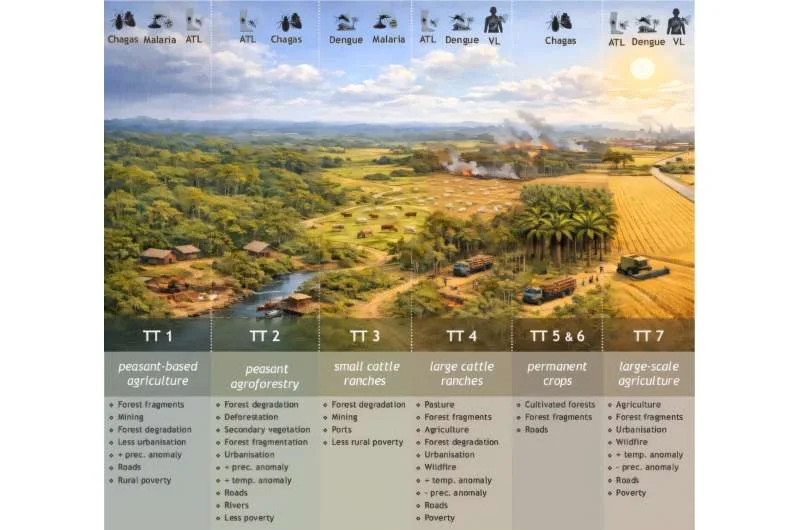
Read More: Amazon Land Use Changes Cause Disease Clusters in Brazil
Diverse Pollinators, Under Pressure
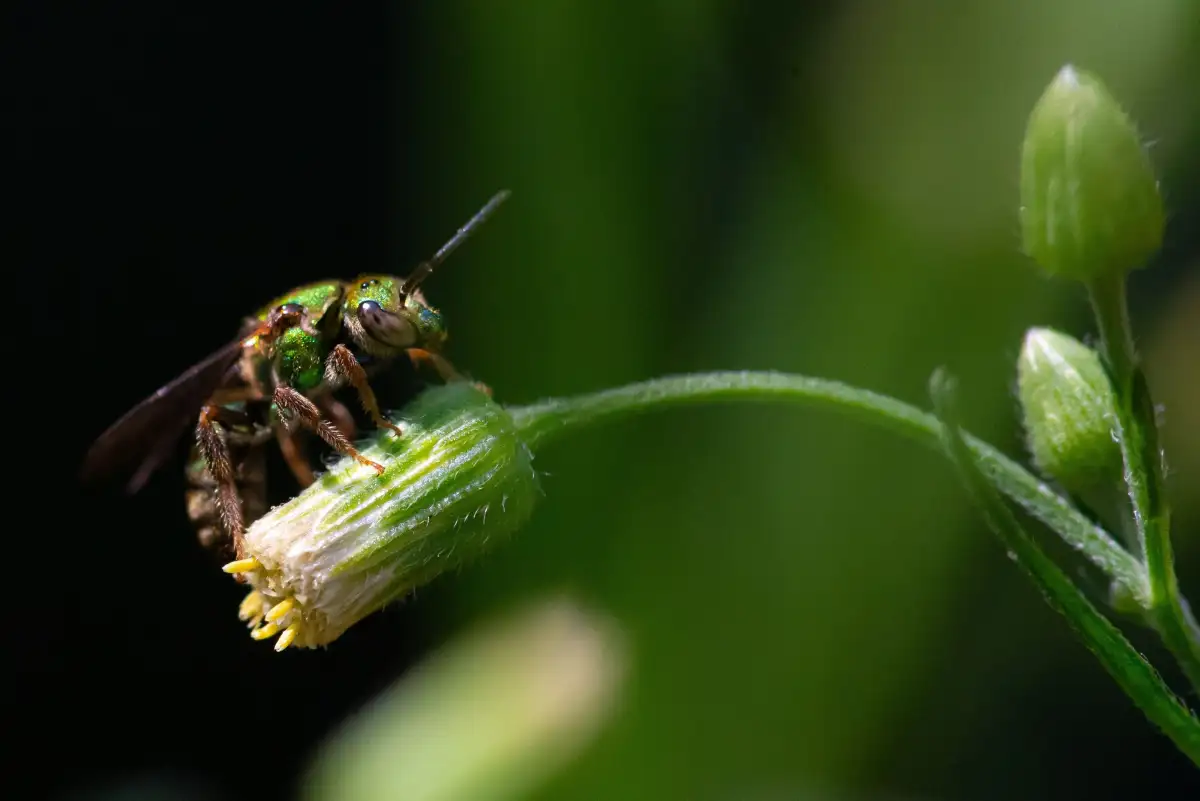
The world of bees extends far beyond the familiar honeybee. Thousands of species exist, including bumblebees, carpenter bees, mason bees, and leafcutter bees. Many of these, contrary to popular belief, live solitary lives rather than in large colonies. These diverse insects inhabit a multitude of environments, each requiring specific conditions to thrive.
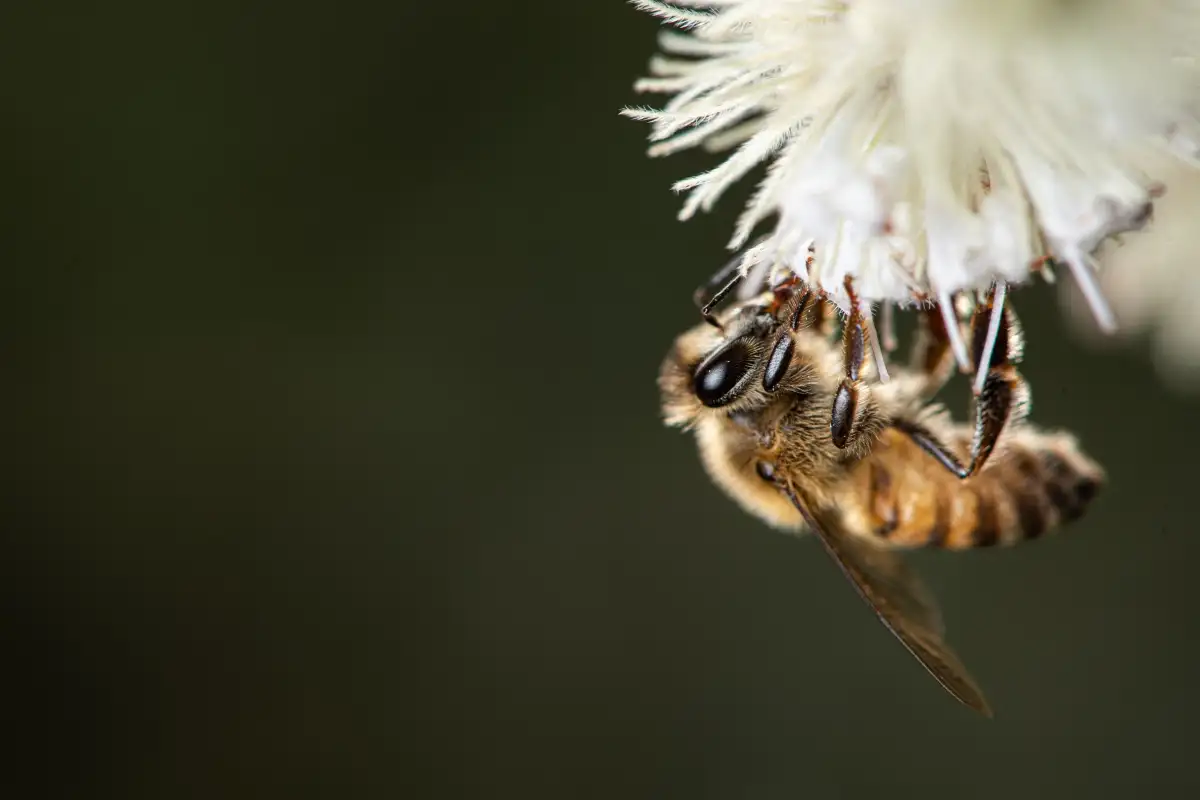
Bees, in general, face significant challenges. Their populations and diversity are under pressure from multiple fronts, including habitat loss and chemical exposure. When flowers, their primary food source, vanish, or when their living spaces shrink, bees are directly impacted. This pre-existing vulnerability adds another layer of concern when considering their potential role in spreading forest diseases.
The importance of bees to global ecosystems and food security is well-documented. These pollinators are considered a keystone species, critical for maintaining environmental balance. Efforts are underway to understand and support bee populations, with initiatives focusing on sustainable beekeeping practices and protecting diverse habitats.
Read More: Orangutan Mothers Plan Playdates for Babies in Borneo