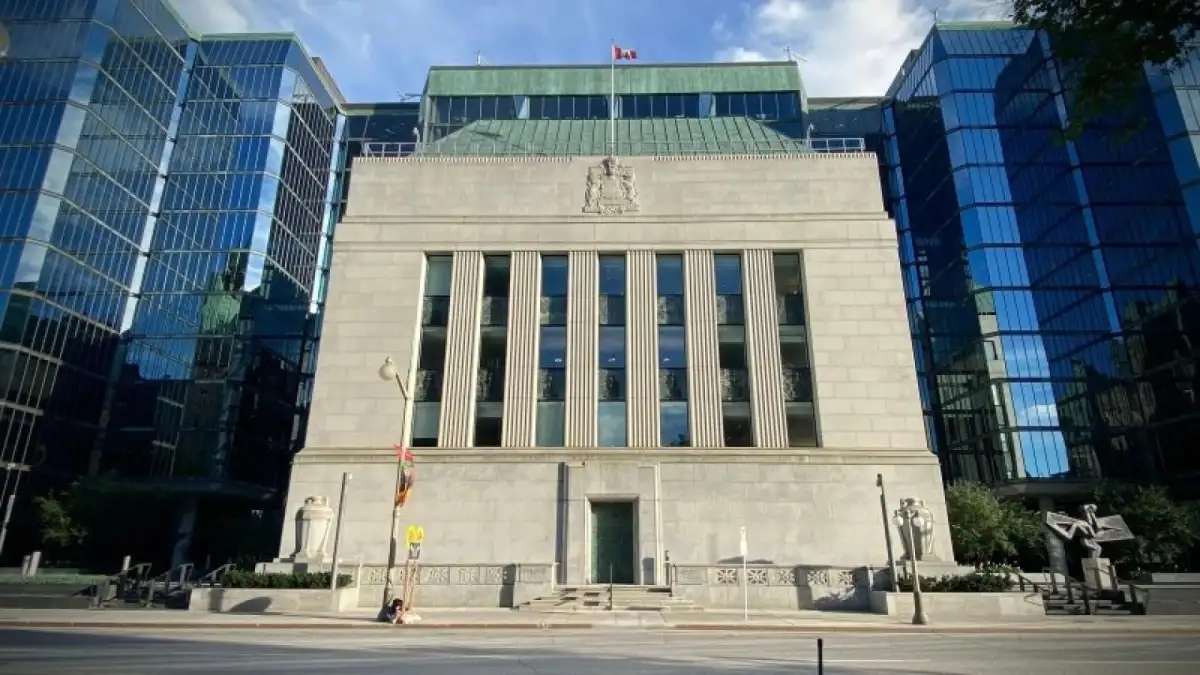
Leaked internal documents reveal that BHP, the world's largest mining company, has quietly delayed or shelved significant projects aimed at reducing emissions from its Western Australian iron ore operations. The move, documented in files obtained by The Guardian and ABC's Four Corners, indicates a potential rollback on earlier climate commitments, with some key decarbonisation initiatives reportedly being pushed back into the next two decades.
These documents suggest a shift in strategy within the company, despite BHP's public statements linking progress on net-zero emissions to the availability of new technologies. Internal assessments appear to have flagged cost concerns and technical hurdles, leading to the shelving of plans for emission-reduction technologies at its Pilbara mines—operations known for their substantial carbon footprint. The Pilbara region itself is a significant contributor to Western Australia's overall emissions, making these delays particularly noteworthy.
Read More: Google AI Search Changes May Hurt Websites and Online Businesses
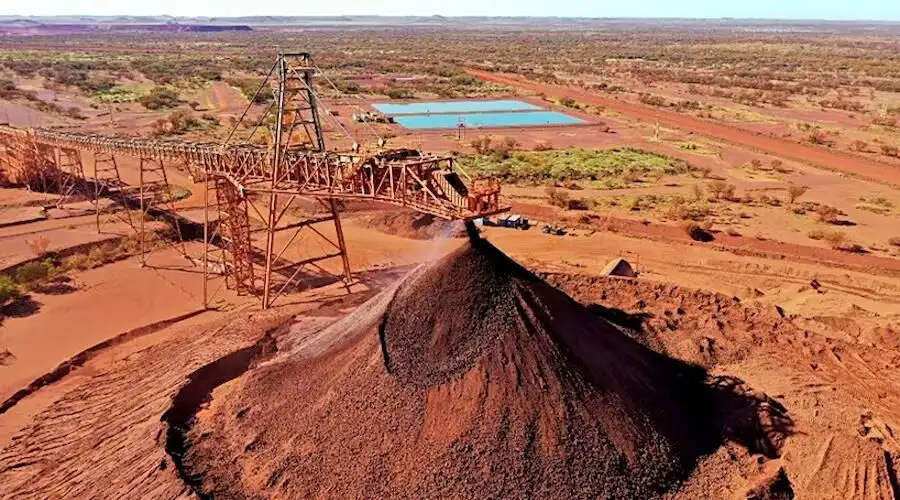
Among the projects affected are those intended to power the company's iron ore operations in the Pilbara region with renewable energy. Furthermore, plans for a facility that could have substantially cut emissions have reportedly been abandoned.
BHP's public stance maintains that advancements in critical technologies, such as those for trucks, trains, and bulldozers, are not yet ready for widespread deployment. However, the leaked files suggest the company was actively considering options to significantly postpone climate action within its Western Australian iron ore business, as far back as six years ago.
Australia stands as the world's largest exporter of iron ore, with BHP being the dominant player in the nation's mining sector. The documents offer what is described as "rare hard evidence" of a disconnect between stated climate goals and operational decisions, particularly concerning some of the most carbon-intensive mining sites globally.
Read More: Eco Collapse Talk Changes: Less Doom, More Nuance