Division Sparks Cellular Construction
Scientists have recently detailed the intricate mechanisms by which dividing cells initiate the formation of the spindle apparatus. This essential structure, crucial for segregating genetic material during cell division, appears to be directly triggered by the very act of cellular division itself. The findings, revealed through new research, shed light on a fundamental biological process.
The core insight here is that the physical forces and molecular cues generated during cell division are the direct architects of the spindle formation, rather than a pre-programmed event. This suggests a more dynamic and responsive choreography within the cell than previously understood.
Orchestrating the Spindle
The spindle apparatus is composed of microtubules, protein filaments that act like cellular scaffolding. Its formation is a tightly controlled process, ensuring that each daughter cell receives a complete and accurate set of chromosomes. The newly detailed research clarifies how this construction gets underway.
Read More: Indigenous Data Rights Now Key in Conservation Genomics
The process involves a complex interplay of molecular signals and mechanical forces within the cell. Researchers observed that as the cell prepares to divide, specific signaling pathways are activated. These pathways, in turn, recruit and assemble the necessary protein components to build the microtubule structures that form the spindle.
Beyond the Obvious
This level of detail offers a more nuanced perspective on cell biology. It moves beyond a simple view of cellular mechanics and points to a sophisticated self-organizing system. The research indicates that the cell itself "knows" when and how to build the spindle, responding to internal cues.
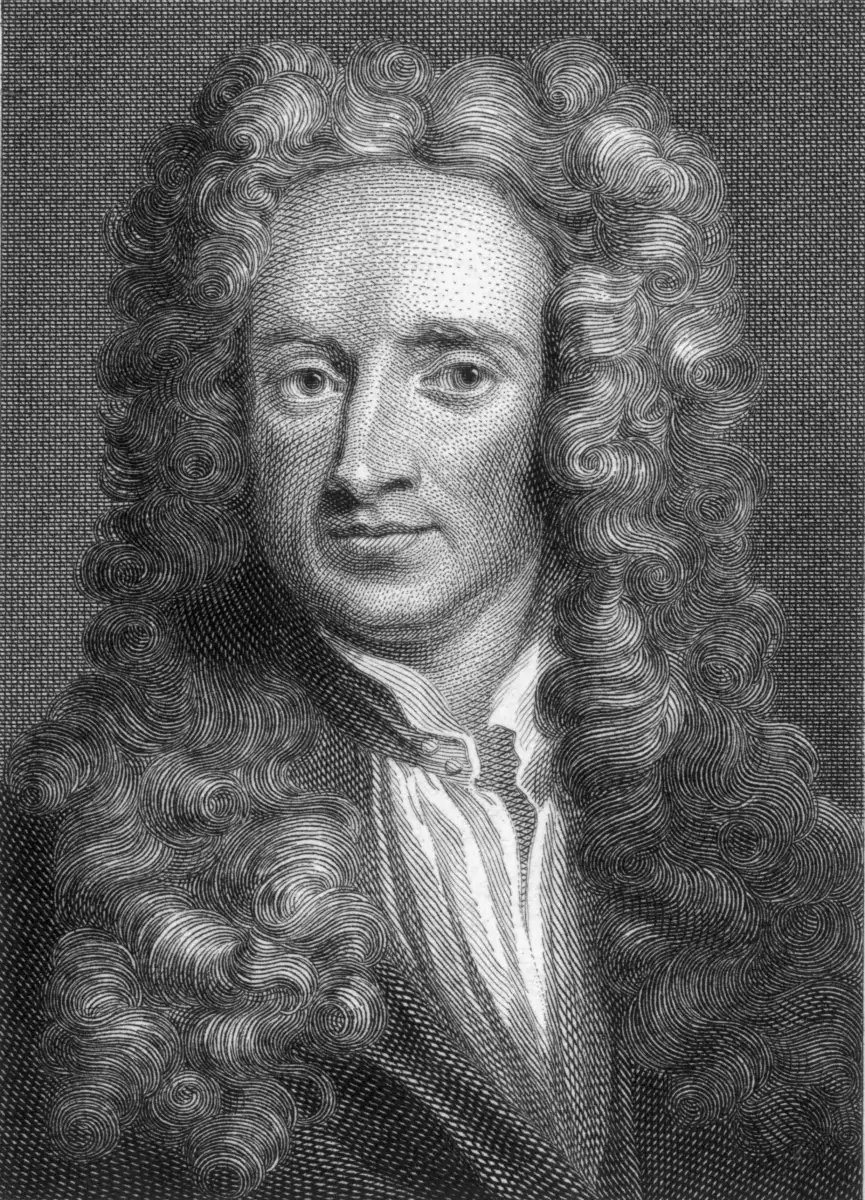
While the direct news is about the spindle mechanism, it touches upon broader themes in scientific history. Discussions around foundational scientific theories and the evolving understanding of natural phenomena have long been part of the scientific narrative. Thinkers from Isaac Newton, whose work laid groundwork for modern astronomy and technology, to figures like John Dalton, whose atomic theory reshaped chemistry, highlight a persistent human endeavor to understand the underlying order of the universe.
Read More: Hagfish Lost Eyes But Gained Other Senses, Fossils Show
The capacity to visualize such intricate cellular processes has also been aided by advancements in scientific instrumentation. Technologies enabling the observation of nucleic acid and protein structures, for example, underscore the ongoing push for more precise and rapid scientific inquiry.
Historically, figures who have revolutionized fields like medicine with germ theory or paved the way for quantum mechanics represent milestones in our collective scientific understanding. The ongoing contributions of living scientists, recognized for their work in areas from evolutionary biology to linguistics, demonstrate that the quest for knowledge is far from over. This recent revelation about cell division fits within this larger, continuous arc of scientific discovery.
Read More: New Room Temperature Photon Source for Quantum Tech in Korea