On the final day of the 2025-26 season, Como 1907 secured qualification for the UEFA Champions League, marking the club's first appearance in continental competition in its 119-year history. The team, managed by Cesc Fàbregas, defeated Cremonese 4-1 on Sunday, May 24, 2026, while AC Milan suffered a 2-1 defeat to Cagliari.

Como qualified despite maintaining only the 11th-highest wage bill in Serie A.

| Club | Status | Outcome |
|---|---|---|
| Como | Qualified | Historic Entry |
| Roma | Qualified | Strong Finish |
| AC Milan | Failed | Outside Top 4 |
| Juventus | Failed | Outside Top 4 |
Financial Anomalies and Structural Shifts
The exclusion of AC Milan and Juventus from the competition represents a statistical anomaly; it is the first time in 35 years that both clubs have simultaneously failed to qualify for Europe’s primary tournament. While traditional powerhouses with significantly larger wage expenditures—including Lazio, Torino, and Fiorentina—stagnated, Como utilized a lean operational structure to bypass established hierarchies.
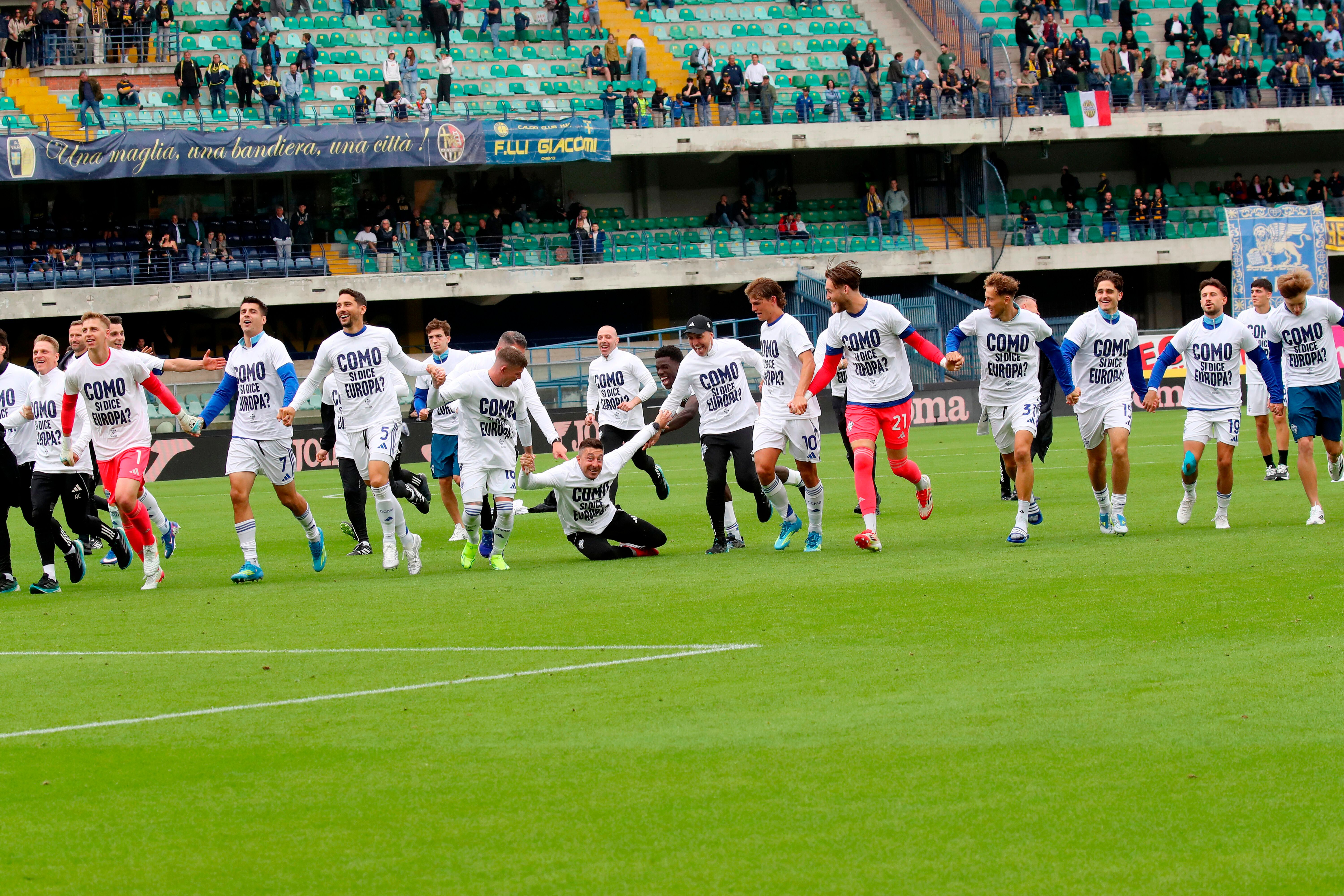
Tactical efficiency: Como held a tie-breaker advantage over Juventus via their superior head-to-head record.
Squad retention: Defender Jacobo Ramon has already signaled intent to remain with the club, bypassing a potential return to Real Madrid.
Systemic failure: AC Milan faced open hostility from their own supporters at the conclusion of their final match, signaling deep dissatisfaction with the current administrative and technical trajectory.
The Trajectory of Como 1907
The ascension of the club is characterized by a high-velocity climb through the Italian league structure. Seven years prior to today, May 26, 2026, the club operated in the fourth division of Italian football. The transition from amateur-adjacent infrastructure to continental elite status within one decade challenges conventional narratives regarding the necessity of massive, sustained capital injection to achieve parity with historical giants.
Read More: Man Utd Stalls Lewis Hall Transfer to Prioritize Midfield Signings

"The result left Como two points behind fourth-place and forced a late-season pivot in the standings that effectively reordered the league’s economic reality."
This shift exposes the volatility within Serie A, where high-spending incumbents failed to insulate themselves against smaller, specialized squads. The financial ramifications for the excluded clubs are significant, as the loss of Champions League revenue will likely force internal restructuring during the upcoming transfer windows.