A prominent Democratic think tank, the Searchlight Institute, is championing a significant shift in party policy: free primary care for all Americans. This proposal emerges as Democrats navigate the electoral landscape, seeking potent messages to resonate with voters. The plan aims to remove immediate cost barriers to basic doctor visits, with the ultimate goal of enhancing overall public health. This initiative represents a move from a defensive stance to a more assertive one on healthcare policy.
The core of the proposal centers on eliminating out-of-pocket costs for essential primary care services, making them accessible at the point of service. This approach is seen by proponents as a more attainable step than broader "Medicare for All" plans, as it allows individuals to retain their existing insurance coverage while private plans continue to operate. Such a move could fundamentally alter how healthcare affordability is perceived and experienced by a significant portion of the population.
Read More: Taiwan Holds Nantou County Drills to Prepare for State Collapse
Addressing Systemic Hurdles
Despite the ambitious nature of the "free primary care for all" vision, significant challenges lie ahead. The think tank's proposal acknowledges several key obstacles:
Funding Mechanisms: Identifying sustainable sources to finance universal free primary care remains a primary concern.
Potential Premium Increases: The financial implications for insurers and the possibility of rising premiums for other services are points of contention.
Physician Shortages: The existing national shortage of primary care physicians presents a critical hurdle, raising questions about capacity to meet increased demand.
A Strategic Reorientation
The push for free primary care is strategically timed. Recent polling and analysis suggest that voters are prioritizing immediate cost relief over debates about the fundamental structure of the healthcare system. This data, shared by the think tank, indicates a potential receptiveness to policies that offer tangible financial benefits sooner rather than later. This contrasts with earlier Democratic platforms that may have focused more on systemic overhauls.
Broader Health Affordability Context
This push for free primary care is situated within a larger conversation about healthcare affordability. Other influential groups, such as Third Way, a centrist Democratic organization, have also been vocal about their healthcare agendas. Third Way's proposals include capping premiums and drug costs, eradicating medical debt, and establishing federal coverage standards, indicating a shared concern across the party about rising healthcare expenses.
Read More: NHS official Ms. Jones steps back from Palantir contract on 7 April 2026
Furthermore, an influential progressive think tank has also advocated for increased federal oversight of hospitals and private insurers to curb costs. These aligned, though distinct, policy discussions underscore a growing consensus among Democratic-aligned organizations on the urgent need to address the financial burden of healthcare.
Shifting Political Landscape
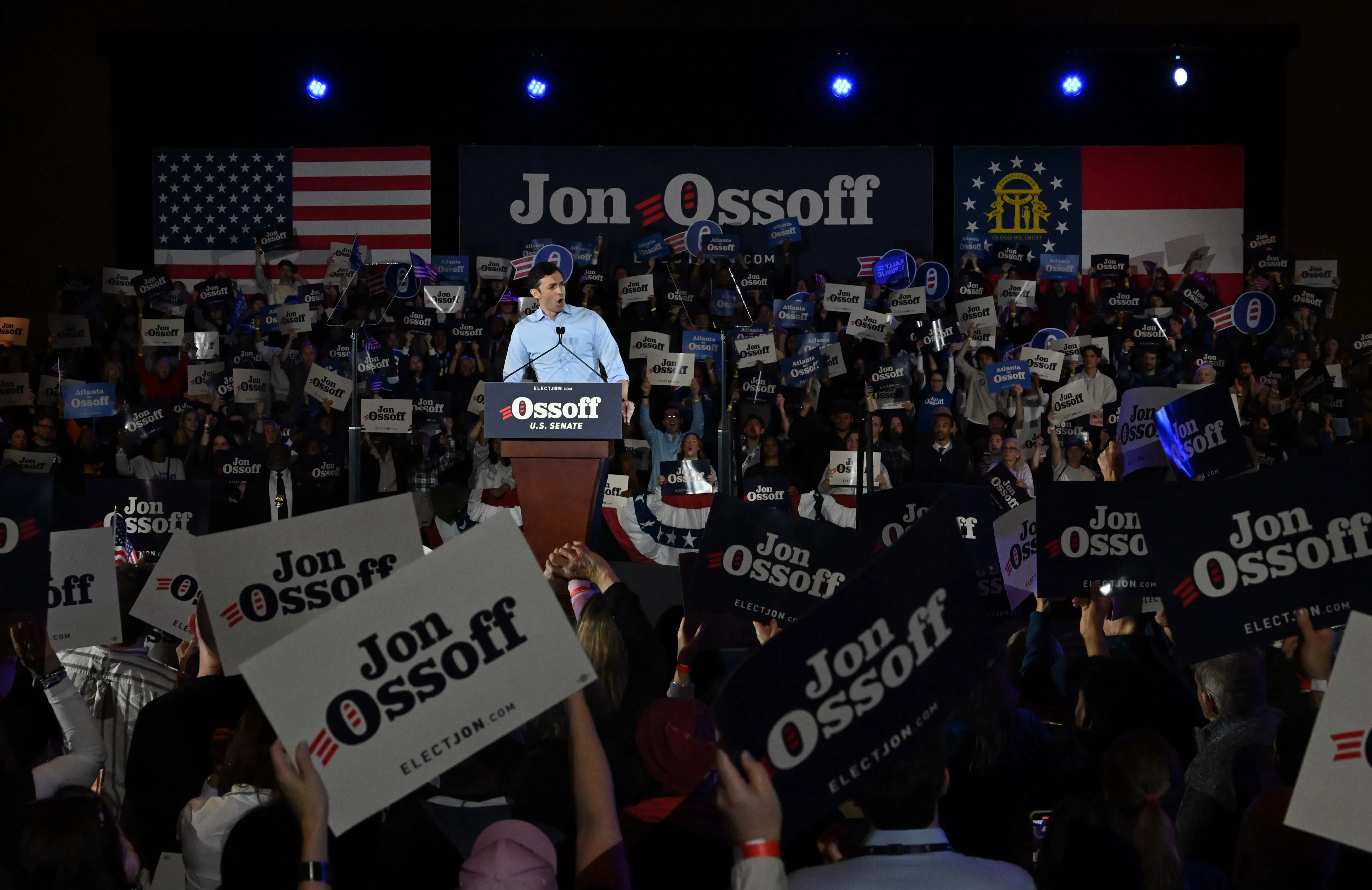
Healthcare has undergone a significant transformation in its political standing for Democrats. What was once considered a potential liability has evolved into a foundational issue for the party. Campaigns are increasingly leveraging the issue, with strategists highlighting rising insurance premiums and personal health stories to connect with voters. Republicans, conversely, defend their actions as necessary measures to control healthcare spending and combat waste.
The focus on cost reduction aligns with insights that health-related expenses are a major driver of voter stress. This sentiment is being actively harnessed by Democratic campaigns, aiming to capitalize on widespread public concern over the financial aspects of accessing medical care.
Read More: FBI Analysts Review Georgia 2020 Election Data in Fulton County