

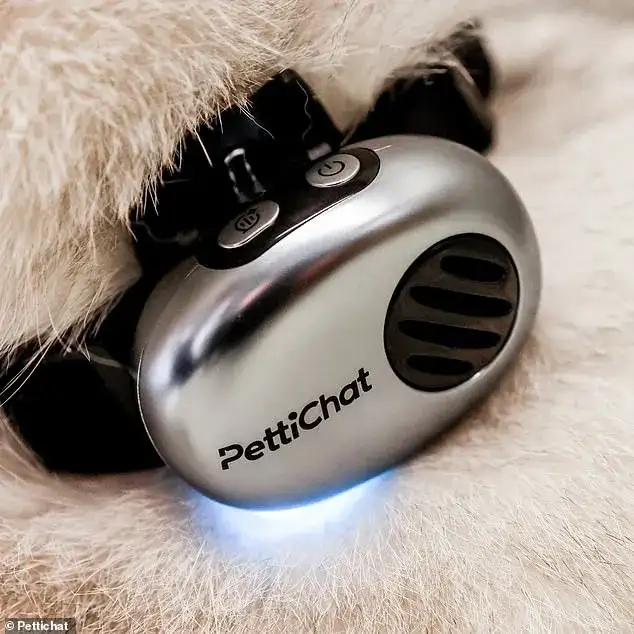
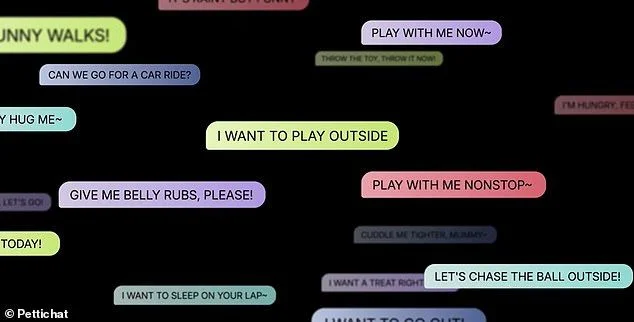
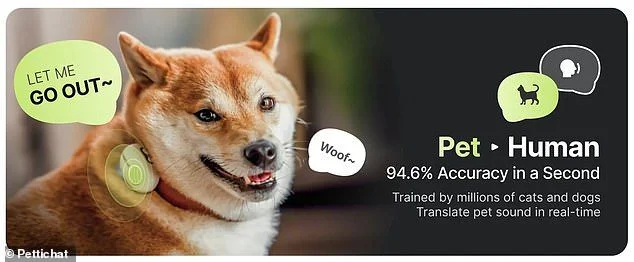
A new attachment for pet collars, dubbed PettiChat, is being marketed with claims of translating animal vocalizations into human language with an asserted 95 percent accuracy. The company behind the device, a startup from Hangzhou, China, states the technology utilizes artificial intelligence, trained on millions of recorded pet sounds, to interpret barks and meows into short sentences. The device also purports to translate human speech into sounds animals can supposedly understand, enabling a two-way communication channel.
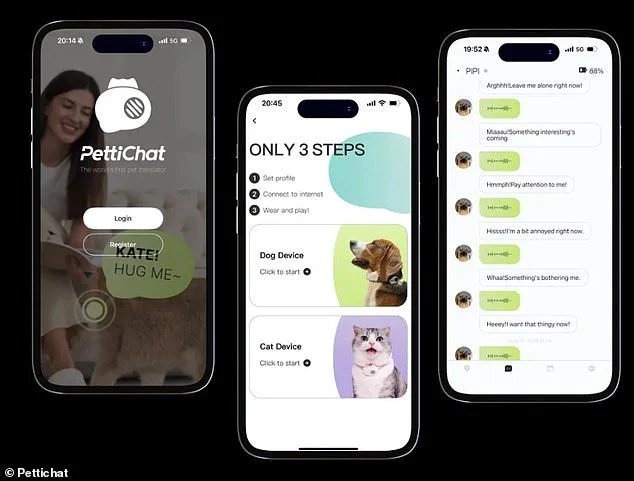
The central claims of 95% accuracy and real-time, two-way translation have surfaced through multiple reports, with the technology's verification method drawing public skepticism. The PettiChat reportedly processes these translations in as little as 1.2 seconds, with results appearing on a connected smartphone. While the company suggests the device augments, rather than replaces, a pet owner's intuition and bond with their animal, questions about the methodology underpinning the high accuracy figures have been raised.
Read More: Chrome mimeHandler API lets extensions handle file types

Skepticism Amidst Claims
The assertion of 95 percent accuracy has prompted reactions on social media, with users questioning how this figure was independently verified. Some have humorously suggested that such a metric implies a significant portion of translations might be arbitrary. Representatives from The Daily Mail and BritBrief have reportedly contacted Meng Xiaoyi, the company involved, seeking further clarification on the validation of these accuracy claims.
Technology and Context
The PettiChat attaches to a standard pet collar. Its operation relies on proprietary AI algorithms, reportedly built upon a large language model and extensive datasets of animal vocalizations. This technological push into animal communication mirrors other advancements, such as devices offering voice transcription and multi-dimensional summaries, although those are typically aimed at human users.
Broader Landscape of Pet Communication Tech
This development arrives in a market where various tools aim to bridge the human-animal communication gap. Some existing technologies focus on health monitoring, with added layers of communication marketing. Other, simpler devices involve recordable buttons for single human words, which users can train pets to press. Past ventures, like the described "Shazam Band," offered a different approach, using AI-powered collars with speakers to emit human voices in various "personas" in response to pet interactions, evoking fictional portrayals of talking animals.
Read More: Savage Industries Dog Harnesses Tested for Better Walks
Expert Perspectives on Animal Communication
Industry observers and animal behavior specialists have noted that animal communication involves more than just vocalizations. Body language, environmental context, and other non-verbal cues are considered significant factors in how pets convey meaning. These insights suggest that a purely audio-based translation may present an incomplete picture of animal expression.



:strip_icc()/GettyImages-688951857-586d7be13df78c17b6e3a3cb.jpg)


