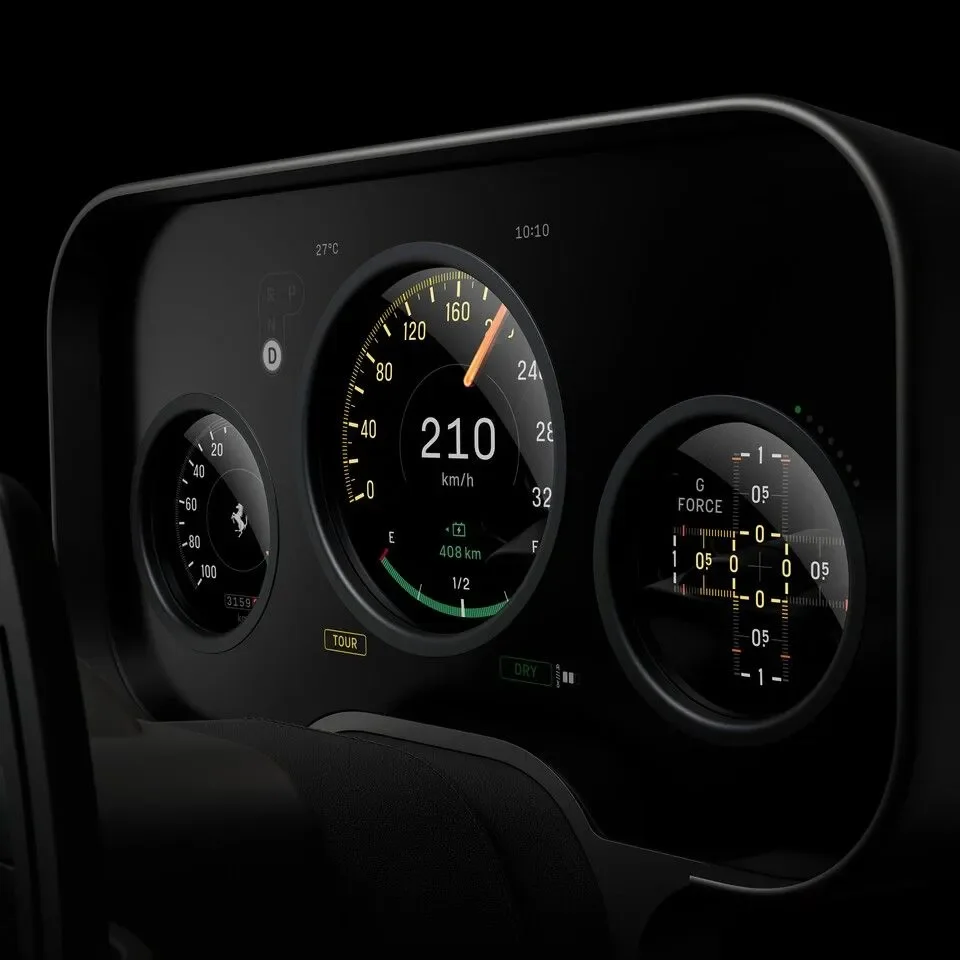
MARANELLO, ITALY — In a move that sees Ferrari embracing a distinct shift in automotive interior design, the marque's first all-electric model, the Luce, features a cockpit extensively outfitted with Samsung Display's OLED technology. This partnership brings a novel, multi-layered dashboard setup, combining the sharp visuals of OLED screens with the tactile presence of traditional mechanical gauges. The core innovation appears to be Samsung's proprietary HIAA (Hole in Active Area) display technology, originally conceived for smartphone camera cutouts, now repurposed to enable visible physical elements beneath the layered digital displays.
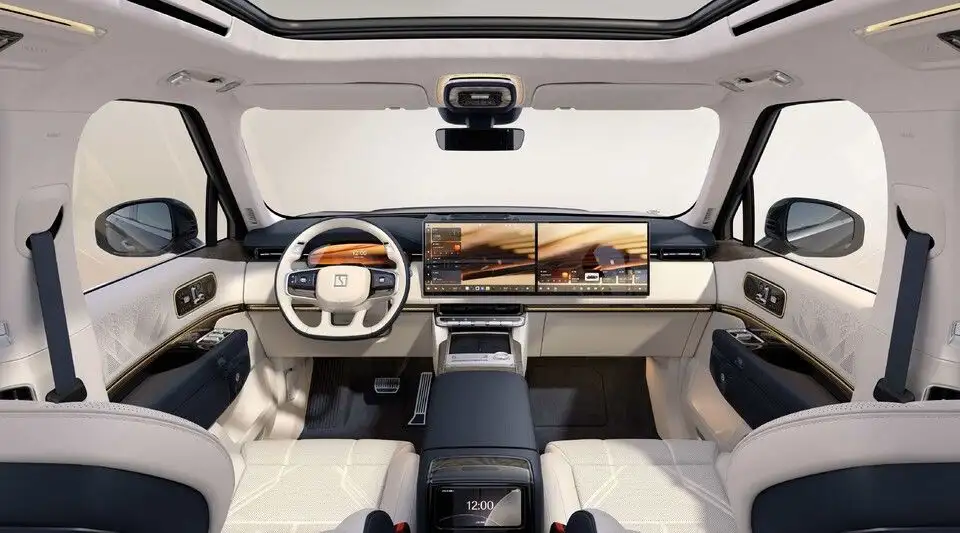
The Ferrari Luce's interior is dominated by four distinct Samsung OLED panels: two stacked panels forming the driver's binnacle (12.9-inch and 12-inch), a 10.1-inch central control display, and a 6.3-inch rear passenger screen. The standout feature is the layered instrument cluster, where a 12.9-inch OLED panel is positioned above a 12-inch OLED screen. Crucially, the upper panel incorporates three circular cutouts, allowing for the visibility of both the underlying display and, remarkably, physical mechanical hands that sweep across the gap between the two stacked panels. This creates a visual depth, aiming to bridge Ferrari's heritage with its electric future.
Read More: Tesla Model Y L 6-Seater US Launch Date and Price Details
The implementation of Samsung's display technology extends beyond the primary driver interface. The central control panel also features a 10.1-inch OLED screen that integrates similar cutouts, allowing for mechanical indicators to interact with the digital display. A smaller 6.3-inch OLED screen is designated for rear passengers, providing climate controls and access to driving information. This exclusive supply arrangement underscores Samsung Display's significant role in equipping the Luce across its digital interior zones.
Samsung highlights that OLED technology offers greater design flexibility, as the panels do not require a separate backlight. This inherent characteristic, coupled with the precision afforded by the HIAA technology, enabled Ferrari to meet its specific design objectives. The company notes that its expertise in HIAA has led to over 500 registered patents, underpinning its capability for precise display cutouts, including what it describes as "big hole" processing. This technological foundation is presented as key to achieving the unprecedented cockpit experience Ferrari envisions.
Read More: Chrome mimeHandler API lets extensions handle file types