

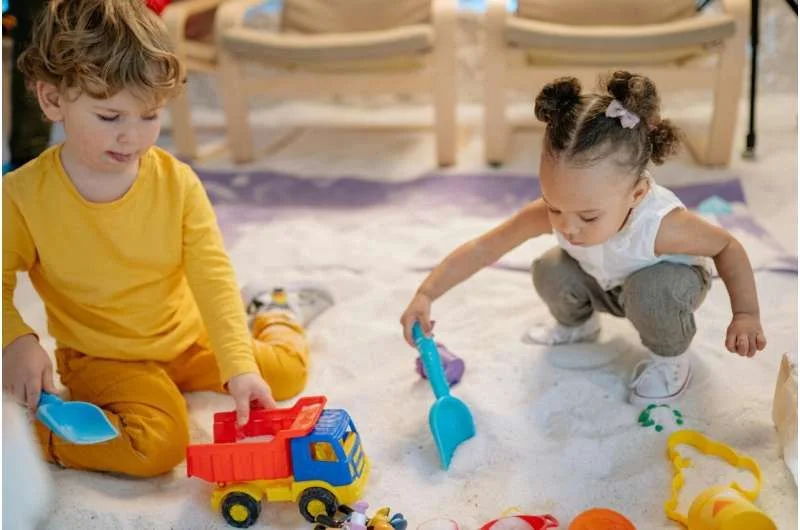
University of Queensland researchers have documented that educators adjust their speech patterns when interacting with toddlers, specifically based on the child's gender. This observed distinction in communication styles, found within 182 analyzed interactions during playtime at Queensland childcare facilities, mirrors patterns previously identified in home environments. The findings, published in the journal Social Development, highlight how these subtle linguistic shifts are embedded even in formal educational settings where young children spend substantial time.
The core finding is the replication of gender-differentiated speech in toddler classrooms, moving beyond observed parent-child dynamics and into early education settings.
The study, spearheaded by Psychology Honors student Elizabeth Brook, recorded how educators engage with groups of toddlers. While the researchers acknowledge these patterns echo those seen between parents and children, the presence of such distinctions in early education centers is noteworthy.
Read More: Google Learn About AI Tool Released April 2026 For Simple Learning
Dr. Mulvihill, involved in the research, stresses that the findings should not be framed as an indictment of educators. Instead, the work underscores the crucial role these professionals play in shaping young minds. The research points to an entrenched, albeit perhaps unconscious, societal tendency influencing early childhood communication.


