Israeli authorities have moved a significant number of civilian activists to the Port of Ashdod following the military interception of the Global Sumud Flotilla in international waters. According to reports from the legal advocacy group Adalah, the detainees—comprising medical volunteers, human rights observers, and international solidarity workers—are being held in Israeli custody, with their exact whereabouts and legal status remaining subject to what observers describe as a "severe information blackout."

The core tension lies in the conflicting claims of territorial jurisdiction versus the right to freedom of navigation. While Israel maintains a naval blockade of the Gaza Strip as a security imperative, the activists argue that the seizure of civilian vessels in international waters constitutes an act of unlawful abduction.

Incident Dynamics and Scale
Operational Scope: Reports indicate that Israeli forces targeted a fleet of approximately 50 vessels carrying roughly 428 individuals from 44 countries.
Legal Status: Rights organizations are actively challenging the legitimacy of these detentions, framing them as a continuation of policies characterized by critics as collective punishment.
Communication Gap: Legal teams report extreme difficulty in accessing detainees, hindering efforts to establish their physical well-being or legal rights.
Summary of Disputed Jurisdictions
| Aspect | Flotilla Organizer Claims | Israeli State Stance |
|---|---|---|
| Location | International waters; protected by maritime law. | Interception necessary to enforce security blockade. |
| Intent | Delivery of humanitarian aid to Gaza. | Attempt to breach legal maritime restrictions. |
| Nature of Act | Forceful abduction/seizure. | Lawful maritime enforcement/interception. |
Background: A Persistent Naval Blockade
The Gaza blockade, in force since 2007, remains the primary friction point between the Israeli government and international humanitarian groups. The Global Sumud Flotilla sought to challenge this closure by attempting to deliver aid directly to the territory.
Read More: AFP Reviews War Crime Claims Against Australian in Gaza

Prior to this week’s events, tensions were already escalating, with reports of earlier military confrontations involving the flotilla as far back as April, when vessels were allegedly targeted near Crete. Today, May 21, 2026, the situation persists in a state of diplomatic ambiguity, with various nations—most notably Türkiye—calling for the immediate release of their detained citizens while international bodies monitor the conditions of those held in Ashdod.
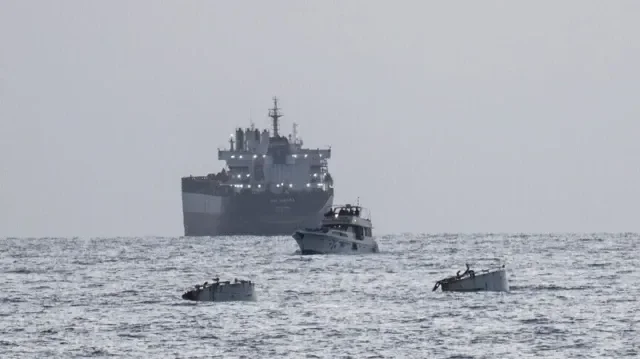
The ongoing legal challenge by Adalah emphasizes that these individuals were civilians acting outside of a military framework, raising broader questions about the reach of domestic state authority into international maritime space.