
Cooking at home at least once a week is linked to a notably lower risk of dementia, particularly among older adults. This connection holds even when considering factors beyond just healthier ingredients. Researchers point out that the act of preparing meals engages various, key parts of the brain, offering a distinct cognitive stimulus compared to relying on pre-prepared or takeaway options.
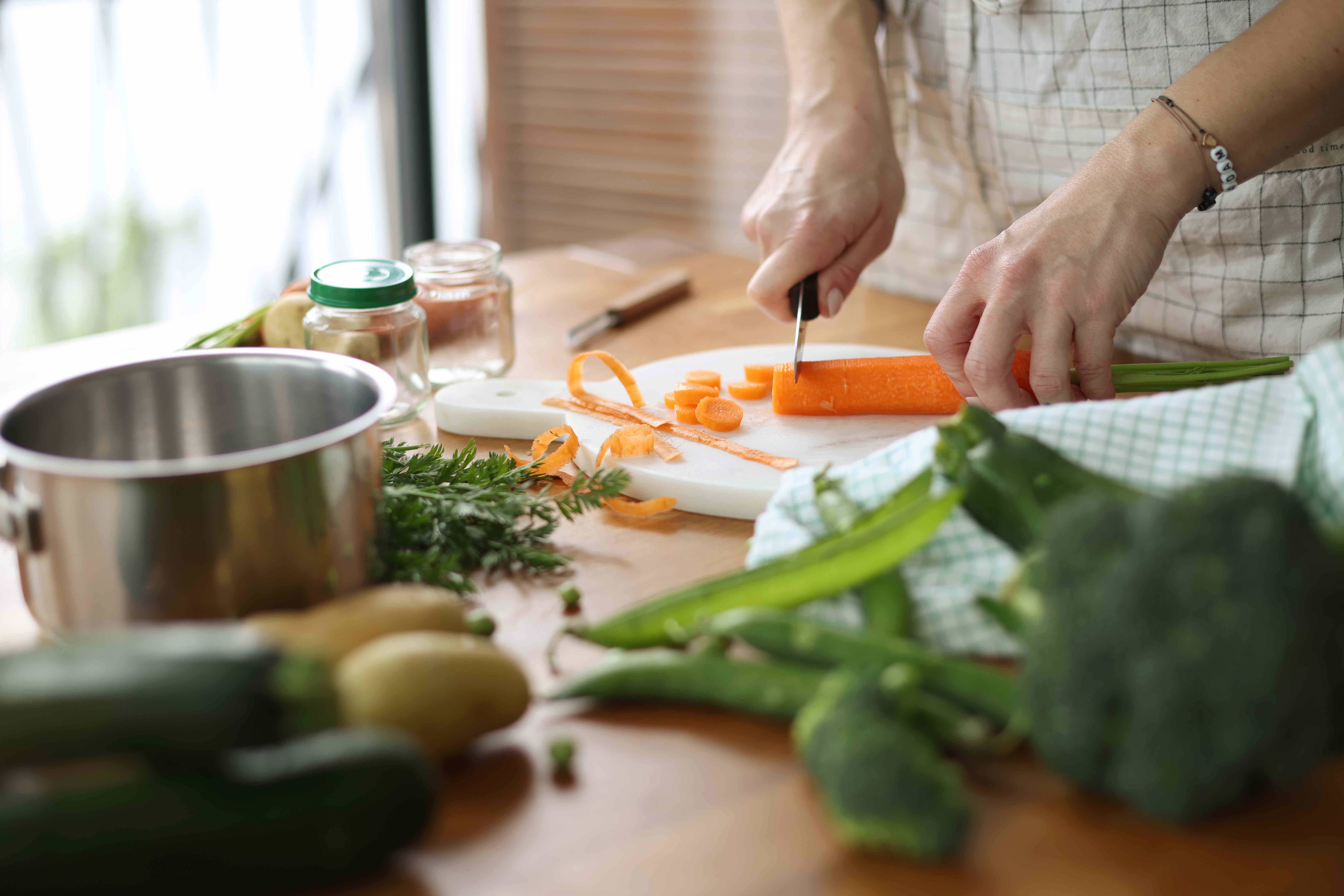
A recent analysis suggests this link holds for both men and women, with some findings indicating women and those with more developed culinary skills may show a more pronounced association with higher cooking frequency. Specifically, one report mentioned that cooking from scratch weekly was associated with a 23 per cent lower risk of dementia in men and a 27 per cent lower risk in women. Another estimate pointed to an even higher reduction of 30% for older people.
Read More: India IVF Costs And Social Barriers Limit Access In April 2026
However, the research does not definitively state that cooking prevents dementia. The observed link is an association, and it’s unclear if cooking directly reduces dementia risk or if other lifestyle factors play a significant role. The studies also noted limitations, such as the possibility that mild dementia cases might not have been captured in the data, and that the classification of cooking skills might not have fully differentiated between those who chose to cook simple meals and those who were unable to cook complex ones.
Brain Activity and Culinary Competency
Beyond mere nutritional advantages, the cognitive demands of meal preparation appear to be a significant factor. The process involves planning, memory recall for recipes, and coordination – a form of "cognitive stimulus" and physical activity, especially relevant for older individuals. The complexity of the meal itself seems to matter, with a "high degree of culinary competency" also correlating with a reduced risk. Yet, it remains unclear if cooking frequency offers further benefits beyond that associated with higher skill levels.
Read More: What guests notice when entering your home in April 2026
Shifting Food Habits
Over recent decades, a trend towards consuming meals from restaurants, takeaways, and frozen food has been observed, moving away from traditional home cooking. This shift may be impacting population-level cognitive health outcomes. Some researchers suggest that the rise of online cooking communities, where people share cooking experiences, could also be contributing to engagement with the activity.