EXTREME HEAT CLUTCHES NORTHERN STATES; NIGHTS OFFER LITTLE RESPITE
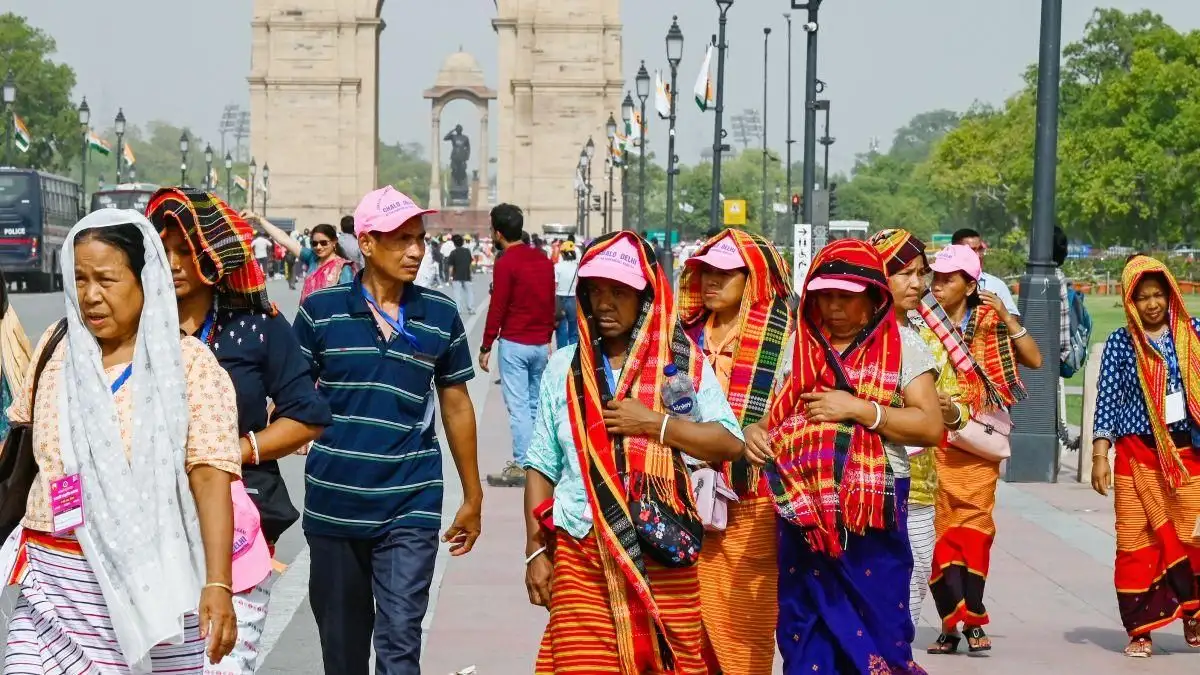
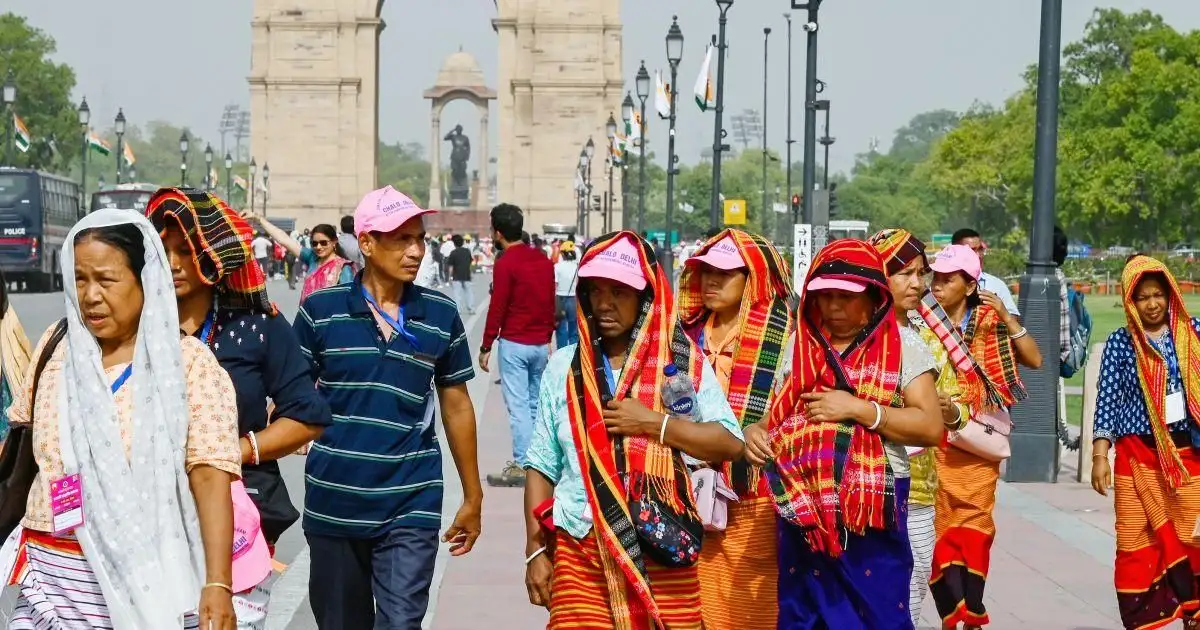
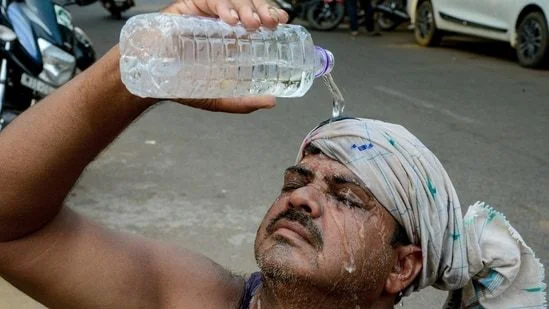
Temperatures have surged past 44 degrees Celsius across several regions in India, with northern states like Punjab and Haryana enduring particularly brutal conditions. Delhi has also been grappling with heatwave conditions for days, seeing mercury levels exceed 45 degrees Celsius in some areas. This intense heatwave, marked by scorching winds, has prompted authorities to issue red and orange alerts, signalling a significant public health concern. Cities such as Rohtak and Bathinda have registered highs above 43 degrees Celsius, while Hisar and Ambala recorded temperatures around 41-42 degrees Celsius.
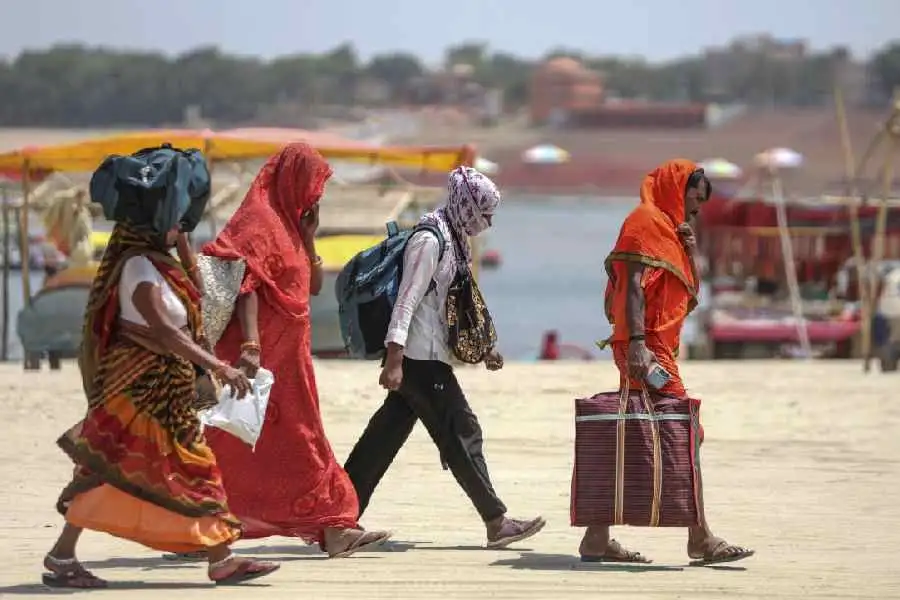
The relentless sun is not the only adversary. Minimum temperatures across numerous cities, including Delhi and Ahmedabad, are refusing to dip below 30 degrees Celsius, trapping heat and leading to oppressively warm nights. This prolonged heat stress, extending beyond daytime hours, is impacting residents, crops, and infrastructure, offering little chance for recovery. Reports indicate that over 35 cities are currently experiencing night temperatures above the 30-degree mark, a clear indicator of the pervasive nature of this heat crisis.
Read More: Mumbai Red Alert July 2026 Causes School Closures and Train Delays
HIGHEST RECORDED TEMPERATURES
| Location | Maximum Temperature (°C) | Notes |
|---|---|---|
| Banda, UP | 48.2 | Third consecutive day above 45°C |
| Vidarbha | > 46 | Several cities crossed this threshold |
| Delhi | > 45 | In several areas |
| Bathinda | 43.8 | Punjab |
| Rohtak | 44.1 | Haryana |
| Hisar | 42.4 | Haryana |
| Ambala | 41.2 | Haryana |
| Ludhiana | 41.2 | Punjab |
| Amritsar | 40.5 | Punjab |
BROADER IMPACTS AND RESPONSES
The suffocating heat has emptied roads and markets during peak afternoon hours, forcing a shift in daily routines. In some areas, farmers are resorting to working through the night to avoid the punishing daytime temperatures. The severity of the situation is underscored by the fact that on Friday morning, all 50 of the world's hottest cities were reportedly located in India, a stark illustration of the escalating climatic challenge.

Authorities in Banda, Uttar Pradesh, identified as India's hottest city, have implemented an unusual measure: turning off traffic signals during peak afternoon hours. This aims to prevent commuters from waiting under the direct sun, a testament to the extreme conditions. The India Meteorological Department (IMD) has issued warnings of heatwave and severe heatwave conditions persisting across northwest, central, and eastern India, with alerts extending through late May.
Read More: India IVF Costs And Social Barriers Limit Access In April 2026
A GRIM NATURAL SIGN
The heatwave's lethal grip is also extending to wildlife. In Chhattisgarh's Korba district, nearly 200 bats were found dead, with officials suspecting heatstroke as the primary cause. This event highlights the broader ecological impact of these extreme temperatures.
BACKGROUND TO THE HEAT
Experts point to a confluence of factors intensifying this heatwave, beyond typical seasonal variations. Climate scientists suggest that India’s rising temperatures are part of a larger global pattern linked to 'shifting climate baselines'. Factors such as reduced snowfall in the Himalayas, which lowers surface reflectivity, and dry soils that limit evaporative cooling, contribute to the atmosphere absorbing more solar heat. The sustained flow of hot winds over extended periods has triggered these severe conditions. Furthermore, the expansion of urban areas, like Delhi, contributes to the 'Urban Heat Island' effect, exacerbating local temperatures. Heatwave conditions are officially declared based on historical temperature averages for a region, with a significant departure from normal temperatures triggering alerts.
Read More: Oklahoma heat wave reaches 101 degrees on April 7 2026