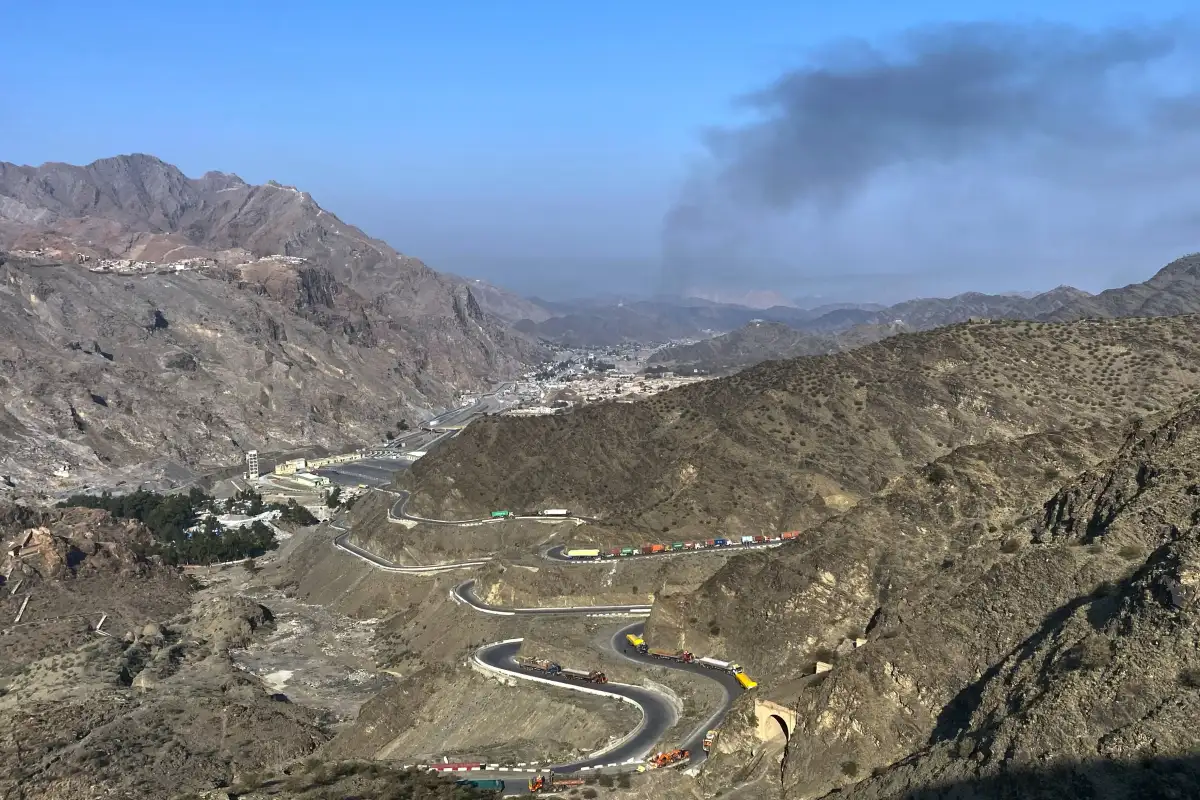
The political discourse surrounding the Kashmir region remains locked in a pattern of rhetoric. Mirwaiz Umar Farooq has publicly advocated for bilateral engagement between India and Pakistan, suggesting that dialogue remains the only viable path to resolving the territorial dispute. This call comes amid a complex backdrop of regional tensions and domestic administrative shifts within the Indian subcontinent.
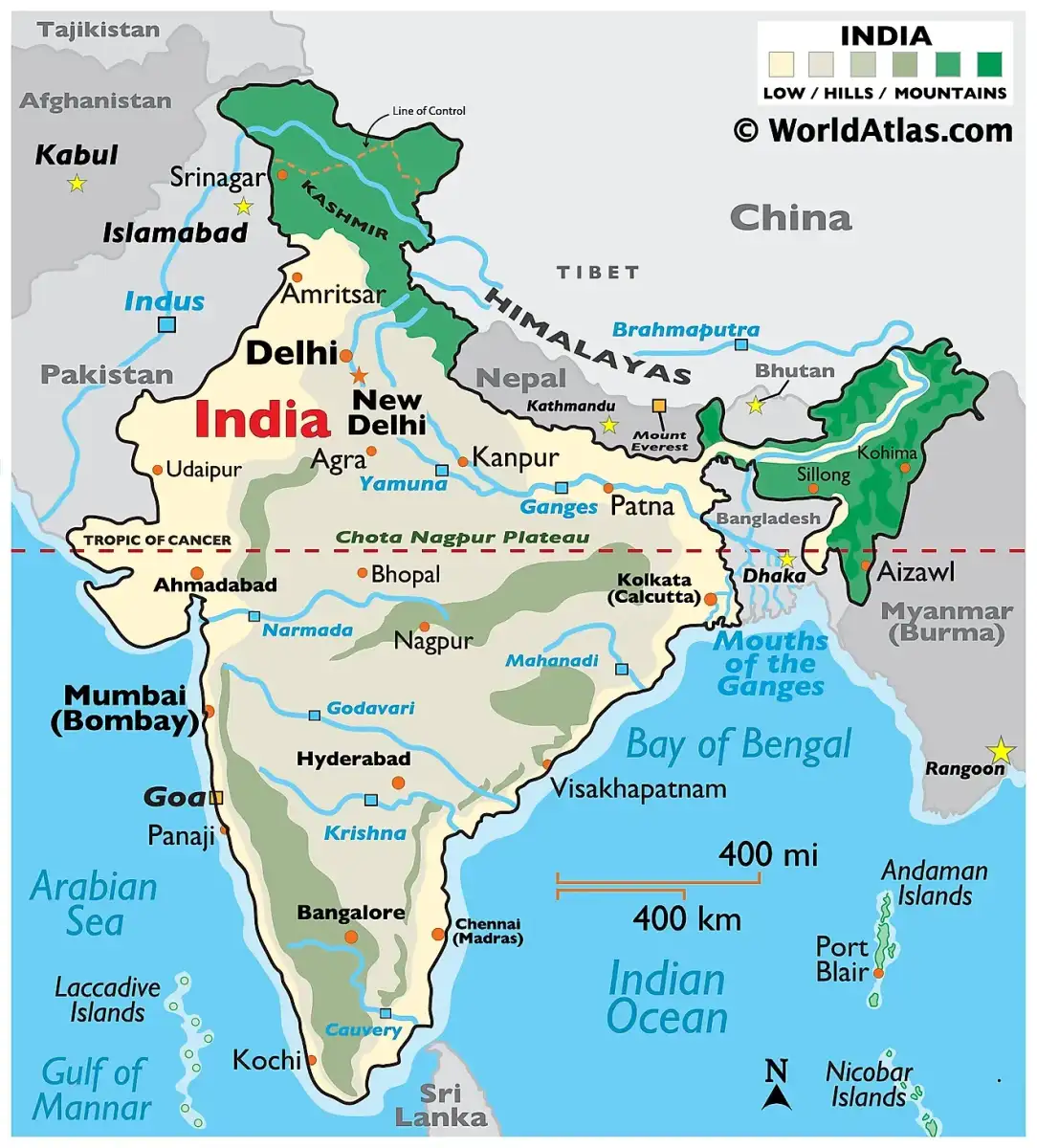
The core tension persists as a long-term geopolitical deadlock, characterized by a lack of substantive diplomatic communication between New Delhi and Islamabad regarding the status of the contested territory.
Domestic Developments and Policy Shifts
As of today, May 24, 2026, the Indian domestic landscape is defined by disparate administrative and legal actions across its states:

West Bengal: The government has mandated free travel for women on all state-run buses, effective June 1.
Manipur: The National Investigation Agency (NIA) is assuming control over cases involving the killing of three Thadou leaders and the disappearance of six Naga villagers, as confirmed by Chief Minister Yumnam Khemchand Singh.
Judiciary: The Supreme Court is scheduled to hear the Twisha Sharma case on May 25, presided over by Chief Justice Surya Kant.
Political Realignments: Raghav Chadha, who recently transitioned from the Aam Aadmi Party (AAP) to the Bharatiya Janata Party (BJP), has been named chairman of the Rajya Sabha Committee on Petitions.
Public Safety: Authorities in Assam are engaging with Eid committees to discourage cow slaughter ahead of Bakri Eid. Meanwhile, a heatwave warning has been reissued for Delhi following a brief interval of cooler weather.
| Region/Issue | Key Event |
|---|---|
| Manipur | NIA investigation into targeted killings and disappearances |
| West Bengal | Implementation of universal free bus travel for women |
| Jammu & Kashmir | Arrest of a retired army official; calls for bilateral talks |
| Delhi | Resurgence of severe heatwave conditions |
Contextualizing the Subcontinent
The current geopolitical climate in India is an intricate overlay of post-colonial parliamentary structures and modern administrative challenges. Bordering China, Nepal, Bangladesh, Bhutan, Myanmar, and Pakistan, the nation occupies a significant portion of the South Asian landmass. While the National Portal emphasizes tourism and cultural diversity, the underlying realities involve managing 28 states and 8 Union Territories through a system inherited from British governance.
Read More: Taiwan Holds Nantou County Drills to Prepare for State Collapse

Current indicators, such as the growth of digital monitoring and persistent territorial sensitivities, suggest that internal stability remains the primary preoccupation of the state apparatus, often at the expense of broader regional diplomatic initiatives.