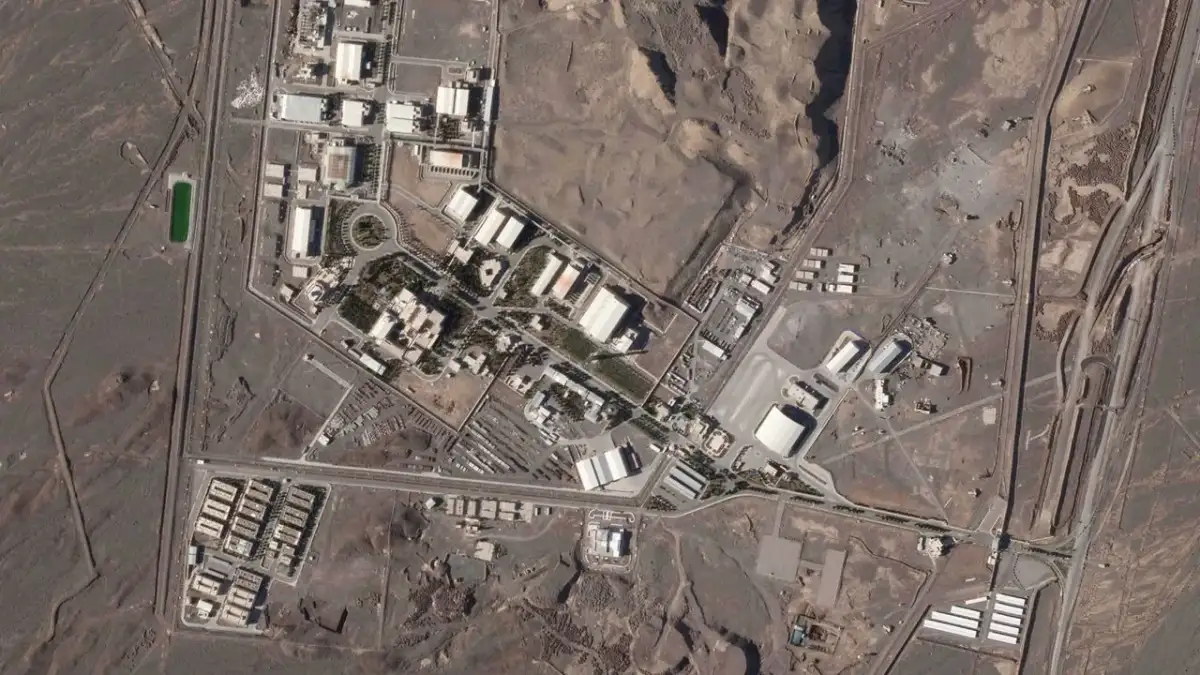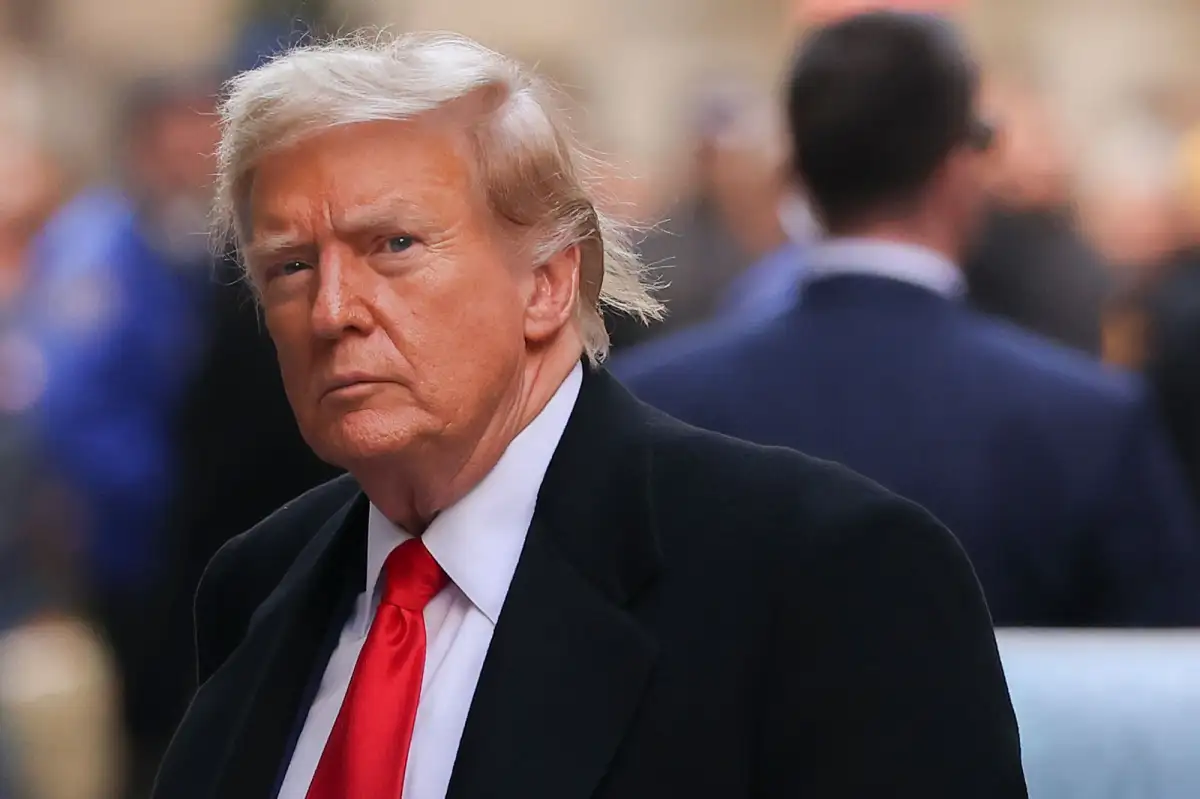
Donald Trump has declared the United States could launch further strikes against Iran "within days," a statement delivered as Tehran has warned of "new fronts" opening in the ongoing regional conflict. This stark declaration from the US President comes against a backdrop of complex diplomatic maneuvers and shifting alliances, with reports indicating a significant meeting between Trump and Chinese President Xi Jinping recently occurred, aiming to de-escalate tensions.
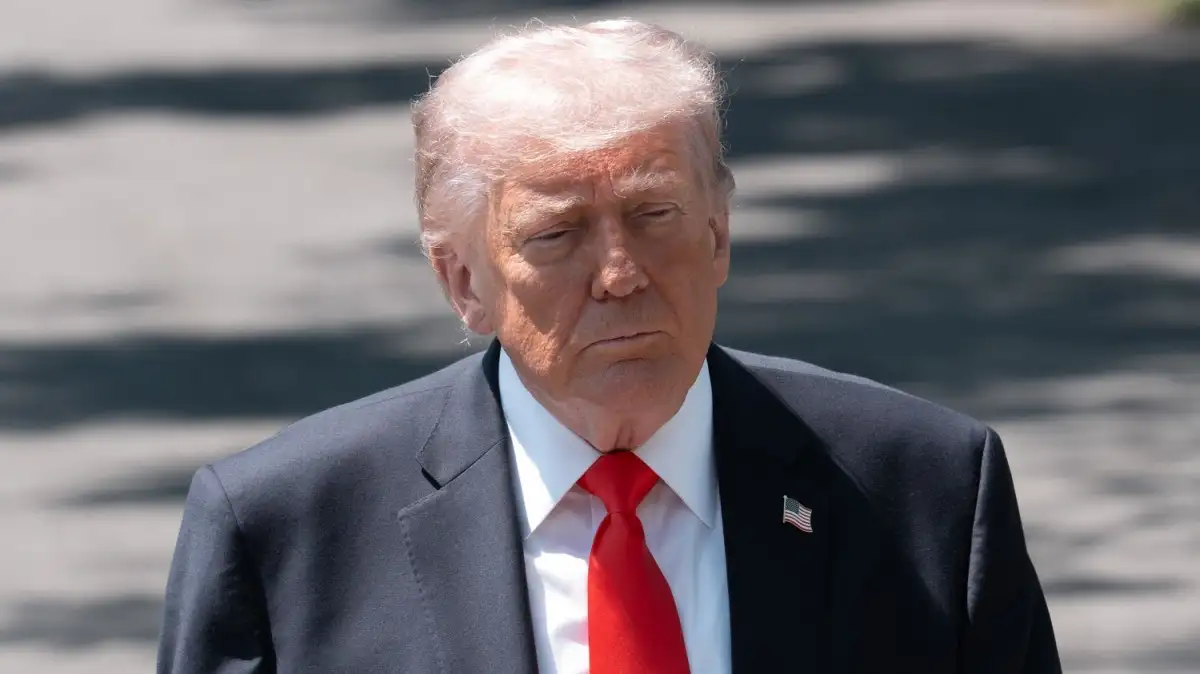
Trump's pronouncements signal a potential escalation, directly contradicting his earlier assertion in a letter to Congress on May 1st, 2026, where he stated that hostilities against Iran were "terminated" following a ceasefire. The timing of this renewed threat raises questions about the stability of the existing ceasefire and the efficacy of diplomatic efforts.
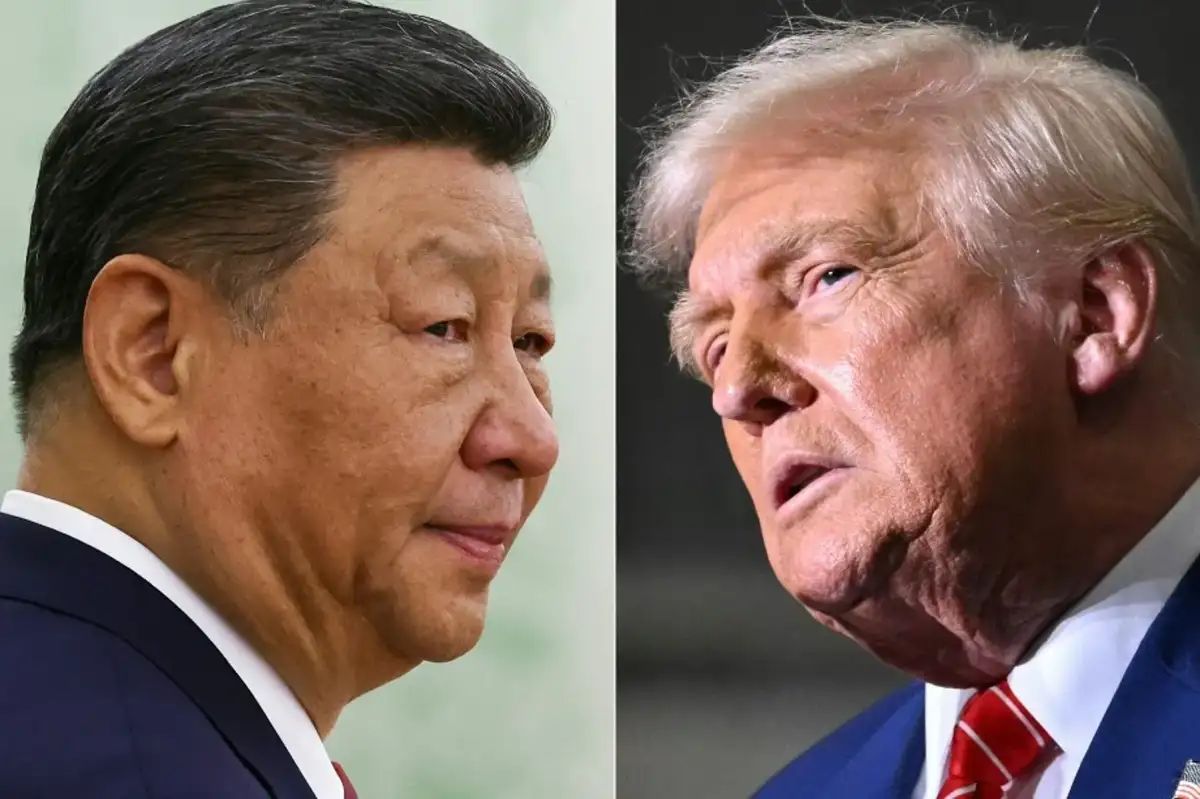
The situation is further complicated by the reported diplomatic engagement between Trump and Xi Jinping. A meeting on May 14th and 15th, 2026, focused on extracting Iran from its current predicament. China, a long-standing ally of Iran, has positioned itself as a potential mediator, ready to play a more active role in brokering a peace treaty. However, this potential mediation comes with significant implicit demands, with suggestions that Xi Jinping might seek concessions from the US regarding Taiwan's independence in exchange for Chinese influence over Iran.
Read More: Iran Zagros Mountain Nuclear Site Construction Update April 2026
Recent public sentiment regarding Trump's presidency reveals a 37 percent approval rating, according to the latest Times/Siena poll, placing his performance in "new political territory." This, coupled with past legislative attempts by Democrats to limit presidential military powers concerning Iran, underscores the contentious nature of foreign policy decisions and the ongoing struggle for legislative oversight. The core of the issue appears to be the constitutional mandate requiring Trump to seek Congressional authorization for sustained military engagement beyond 60 days.
Read More: Gulf Oil Exports Rise in June but Still Below Pre-War Levels
The geopolitical landscape is marked by wider global concerns, including the wars in Iran and Ukraine, and the evolving role of the United States on the international stage. These discussions were reportedly central to recent high-level diplomatic exchanges between Xi Jinping and Vladimir Putin, highlighting the interconnectedness of global conflicts and economic partnerships.