The Kimi K2 series API has been officially retired and will no longer be maintained or supported. This marks a definitive pivot for the Kimi AI project, moving away from broad API accessibility for this specific model family. The closure affects users who relied on programmatic access to the K2 series, signaling a transition to potentially different delivery mechanisms or a more focused development path.
The decision to decommission the Kimi K2 series API suggests a strategic recalibration, with implications for how users will interact with future Kimi models.
Details surrounding the exact reasons for the API's discontinuation remain sparse. However, previous iterations of the K2 series, such as Kimi K2.6, were noted for their advanced capabilities, particularly in coding and agentic tasks. These models boasted features like a 128K token context window, sophisticated "mixture-of-experts" architecture, and the ability to handle complex, long-form content and dialogue.
Read More: Chrome mimeHandler API lets extensions handle file types
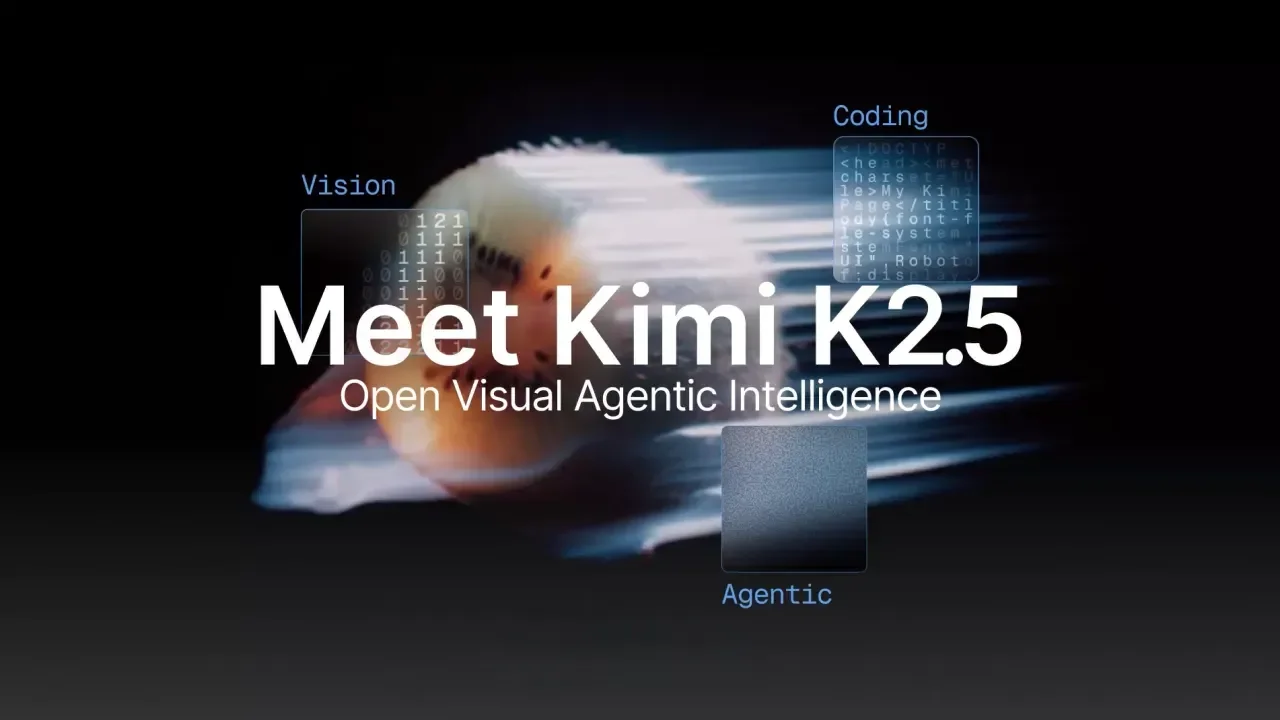
Earlier models in the K2 lineage, including Kimi K2.5, were promoted for their visual agent capabilities and the development of "Agent Swarms" designed for coordinated, multi-agent collaboration on large-scale parallel tasks. The K2.6 release, which occurred on April 21, 2026, was characterized as a rapid transition from preview to general availability, indicating a strong internal validation and successful partner evaluations. This version also incorporated mechanisms to manage context window limitations by summarizing and pruning its own history.
The availability of Kimi K2 models was typically through the Kimi website, app, API, and Kimi Code. While the K2.6 release stated API compatibility with Anthropic's Claude Code, the current announcement of the K2 series API's offline status renders this compatibility moot for that specific model line. The underlying commitment to open-source and free usage for certain Kimi K2 models, as highlighted for K2.6, may or may not extend to future offerings. The Kimi project has emphasized that K2.6 was not intended as a final point, hinting at ongoing development and potential evolution of their model architectures and access methods.
Read More: New AI Method Maps API Logic for Safety by April 7, 2026