As of 24/05/2026, the hotel industry in Los Angeles remains in a state of anticipatory stillness. Despite the city’s established status as a premier destination for global culture and sport, operators report that the projected surge in demand related to the upcoming World Cup has yet to materialize into concrete bookings.
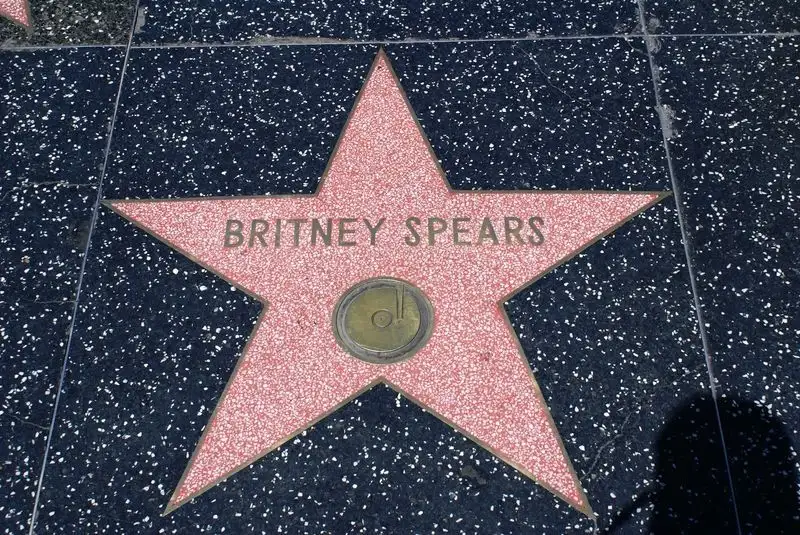
Current Market Reality: Hospitality analysts note that while the city boasts significant infrastructure, room occupancy rates have not seen the expected pre-tournament spike.
Operational Strategy: Stakeholders continue to lean on the city’s broader appeal—ranging from high-end museums to immersive art experiences—to maintain baseline revenue.
Core Signal: The expected economic windfall from global athletic events is currently eclipsed by localized social and political volatility.
Political Volatility and Urban Narrative
While the hospitality sector prepares for a potential international audience, the city’s internal climate is defined by an increasingly aggressive municipal campaign. The discourse has shifted from administrative policy to a reliance on digital distortion.
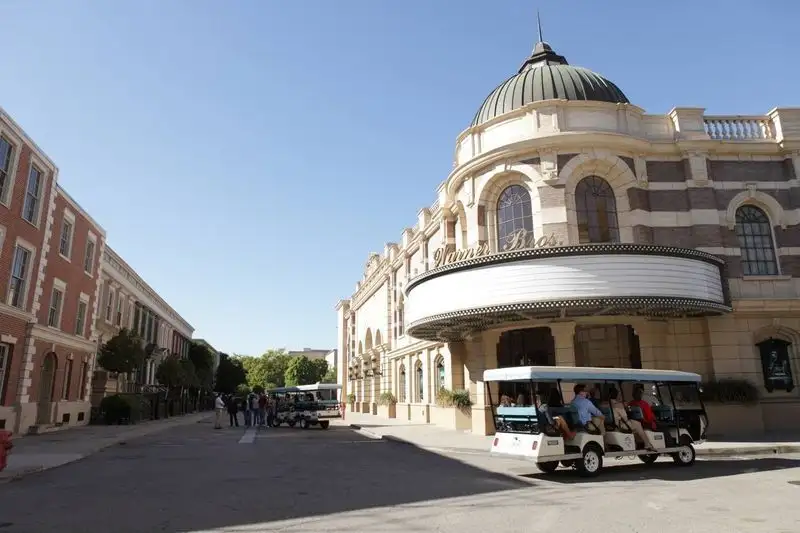
"Los Angeles merits being saved," reads a recent campaign spot, utilizing iconography derived from cinematic villains to characterize current Democratic leadership.
Recent developments in the municipal election cycle involve:
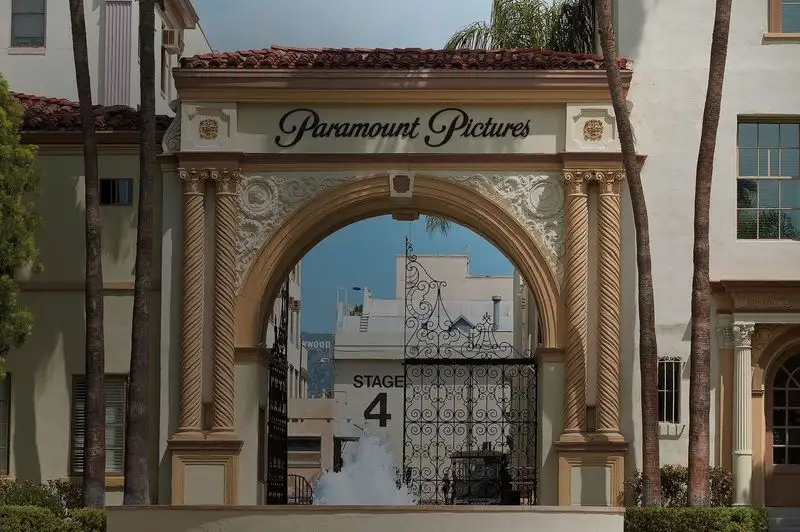
The use of sophisticated algorithmic content to portray local figures like Mayor Karen Bass and Governor Gavin Newsom within satirical or damaging frames.
A stark focus on municipal grievances, including housing insecurity and the legacy of recent environmental disasters in Altadena and Pacific Palisades.
A strategic narrative shift, framing the city as a landscape of decay in urgent need of a "providential hero."
Contextualizing the Metropolitan Landscape
Los Angeles, as a sprawling entity stretching over 100 kilometers along the Pacific, faces the perennial challenge of managing an image of modern, cosmopolitan prosperity against a backdrop of complex social stratification.
Read More: Pubs in England and Wales Open Until 5 AM for World Cup Match
| Metric | Context |
|---|---|
| Population | Approximately 20 million within the greater metropolitan area. |
| Historical Shift | Transformed from regional capital to a dominant Californian metropolis. |
| Current Atmosphere | Highly charged; polarized between its identity as a global tourist destination and its domestic political fragility. |
The intersection of global spectacle—such as the World Cup—and the domestic exhaustion stemming from local political messaging creates a dual-layered reality. For the traveler, Los Angeles offers a curated experience of culture and luxury; for the resident, it is a site of intense, technology-driven ideological friction. As the city moves toward the tournament dates, the success of the hospitality sector will likely depend on whether the "City of Angels" can successfully decouple its visitor appeal from its domestic electoral noise.