Lockheed Martin has moved to tighten its grip on the counter-unmanned aerial system (C-UAS) market by deploying artificial intelligence to manage high-speed drone swarm interceptions. The corporation is pivoting toward software-defined defense, leveraging partnerships with firms like Nvidia and Red Hat to create automated systems that detect, track, and neutralize multiple incoming aerial threats in seconds.

Core technical strategy involves replacing human reaction time with automated sensor fusion and high-power microwave (HPM) delivery systems.
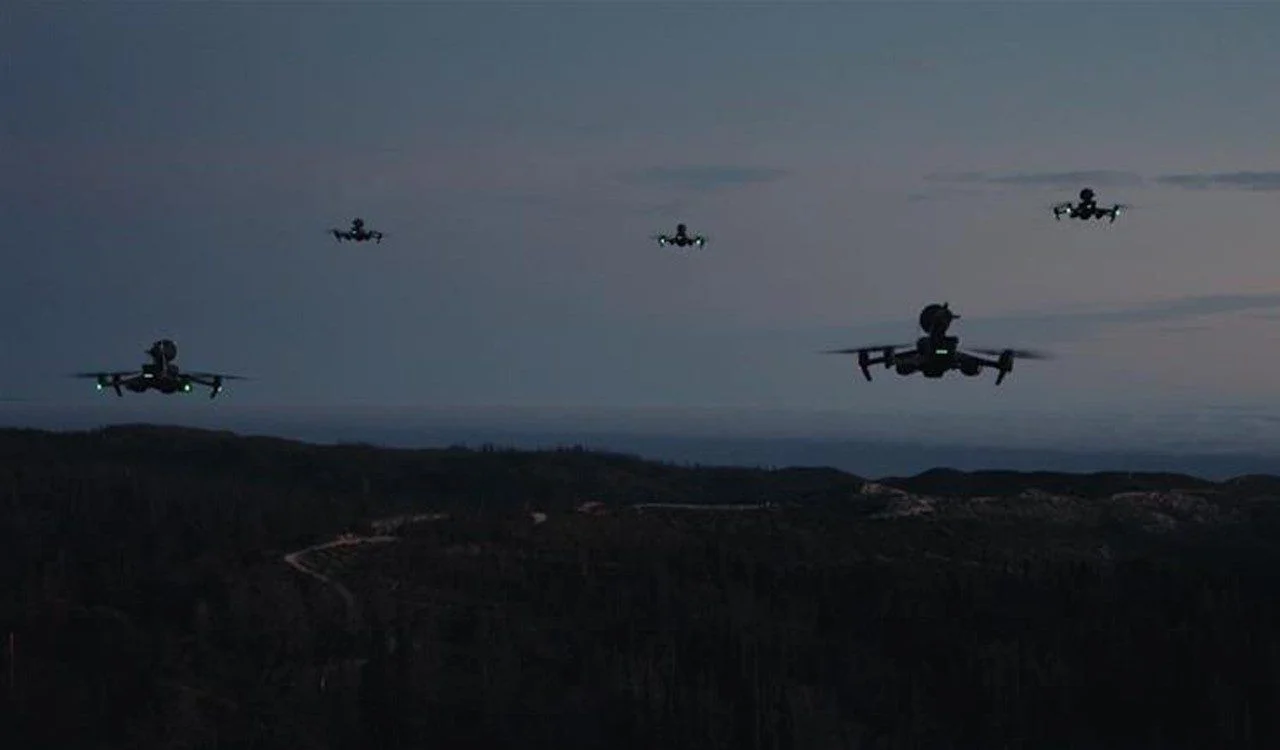
System Autonomy: New software architectures allow for real-time, on-the-fly updates to tactical drone units, effectively pushing computational decision-making to the edge of the battlefield.
HPM Utilization: The MORFIUS platform remains a central component, using microwave pulses—up to a gigawatt in capacity—to fry the electronics of approaching drone swarms at close range.
Operational Scaling: Recent demonstrations indicate a move away from custom, one-off hardware toward a modular, open-architecture approach designed to interface with existing U.S. military command and control (C2) frameworks like the Aegis Combat System.
The Shift Toward Automated Kill-Chains
The push for these tools stems from a perceived vulnerability in traditional air defense, which struggles with the volume and erratic flight patterns of low-cost, mass-produced drones. Lockheed Martin CEO Jim Taiclet frames this technological shift as an economic and tactical necessity, repurposing existing munitions infrastructure to create more cost-effective "defense-in-depth" layers.

By automating the identification of a threat—distinguishing between ambient aerial clutter and hostile swarm behavior—the firm aims to reduce the "cognitive burden" on operators. This transition relies on high-speed data processing, which explains the recent integration of commercial-sector computing partners into defense supply chains.
Read More: Chrome mimeHandler API lets extensions handle file types
| Component | Function | Status |
|---|---|---|
| MORFIUS | High-Powered Microwave (HPM) | Field Tested |
| Sanctum™ | Layered Defense/Monitoring | Deployed |
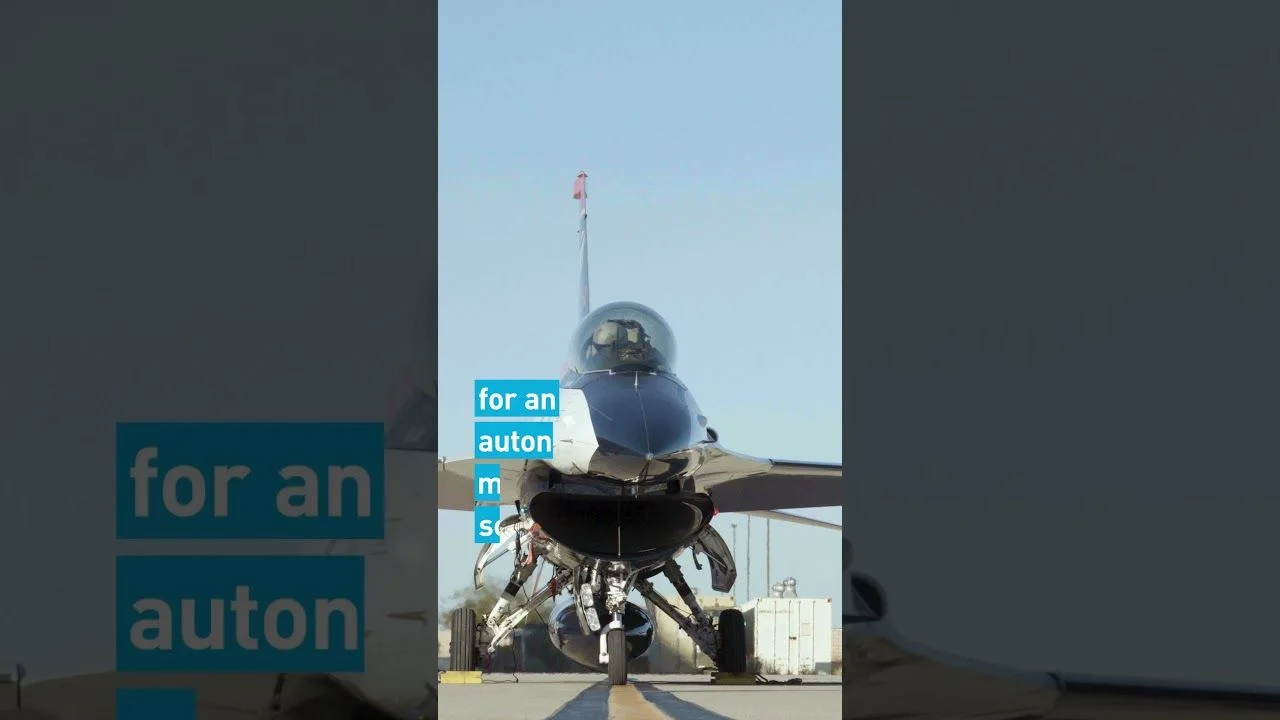
| CCA | Collaborative Combat Aircraft | Ongoing Research |
Context and Critique
This technological trajectory reflects a broader, industry-wide acceleration toward "human-machine teaming." While advocates argue that such automation is required to protect critical infrastructure against state-level and non-state actors, critics of these autonomous weapons systems raise questions about the implications of delegating kinetic, lethal force decisions to algorithms.
The drive to modernize existing platforms like the F-35 with 6th-generation technology suggests a competitive urgency in the defense sector, specifically driven by the rapid development of low-cost drone capabilities by foreign adversaries. Lockheed Martin’s current efforts are presented as an "enduring solution," yet the reality remains that these defense layers are built for an arms race that favors the party capable of deploying the most efficient, and often most expensive, digital response.
Read More: Ukraine gets 100 Patriot missiles with $1 billion EU loan for defense