The systematic frequency of blade-based violence—locally labeled as 'stabbings'—has moved from sporadic anomaly to a recurrent feature of urban transit and community vulnerability. As of 24/05/2026, the consolidation of police reports reveals a pattern where motive often remains obscured, even as state mechanisms (such as the COBRA committee) categorize specific events as acts of ideological or terrorist intent.
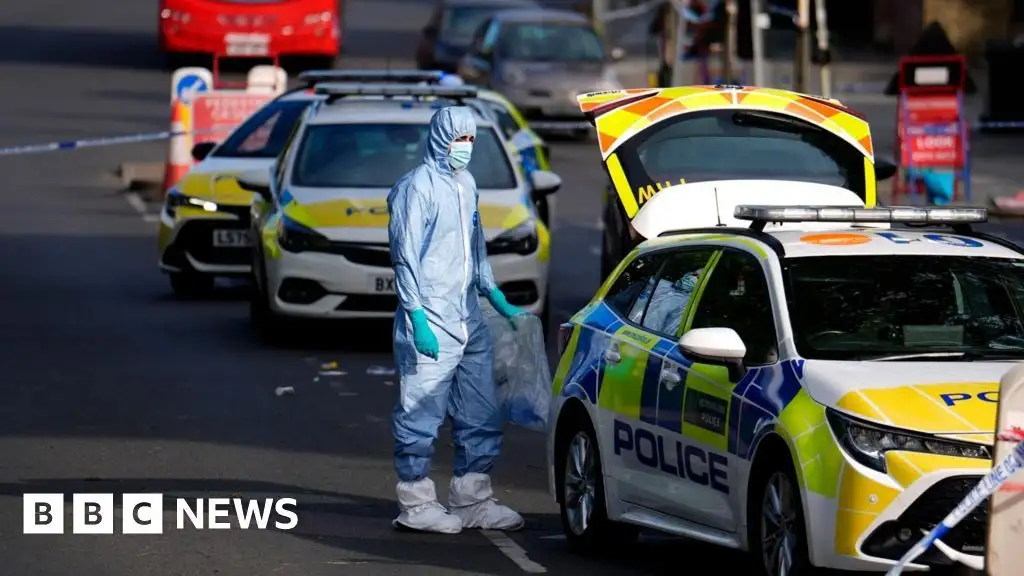
The Transit and Urban Vulnerability Matrix
The data suggests a persistent failure in safeguarding environments where movement and confinement converge.
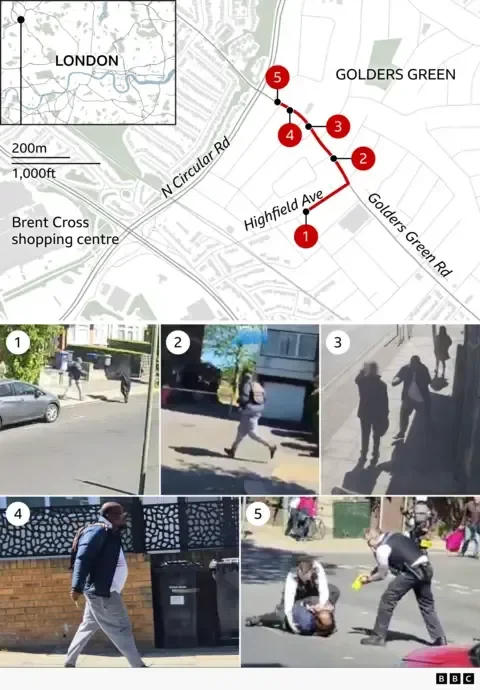
Systemic Instability: Recent incidents, specifically the November 2025 train assault and the April 2026 Golders Green event, highlight the high velocity at which an isolated actor can generate mass-casualty potential before law enforcement intervenes.
The Heroic Variable: In multiple cases, intervention has fallen to untrained civilians—such as the rail worker currently in life-threatening condition—rather than structured security protocols.
The Attribution Gap: Official discourse struggles to classify motives immediately. While some attacks are deemed terrorist incidents based on the demographic markers of victims, others (like the Peterborough-linked train attack) lack clear causal definitions.
| Event Type | Reported Location | Status/Motive |
|---|---|---|
| Train Assault | London-bound line | Attempted murder / Unclear motive |
| Golders Green | North London | Declared terrorist incident |
The Mechanics of the Stabbing Phenomenon
An investigative view of the linguistic and operational reality shows that these events are defined by high-intensity, close-contact impact. In legal and forensic reporting, the shift from "assault" to "attempted murder" relies heavily on the physiological state of the victim and the intent of the attacker.

The prevalence of these attacks—often involving improvised or easily concealed bladed weapons—poses a problem for standard surveillance. The transition from CCTV sighting (as noted in the 11:15 timestamp of the Golders Green suspect) to kinetic violence occurs in timeframes that effectively bypass preventative police intervention.
Read More: Third Teen Charged in Fatal Stabbing Near Melbourne Hospital on Wednesday
Investigative Context: Structural Silence
Reflecting on the timeline between November 2025 and today, the regularity of these reports suggests a degradation of public safety norms. There is an asymmetrical nature to these incidents: the state acts with efficiency after the breach, yet the preventative architecture—be it on transit networks or in suburban high streets—remains reactive.
The signal here is not one of sudden escalation, but of sustained baseline hostility. Whether the catalyst is extremist ideology or opaque personal desperation, the commonality of the 'stab' as the weapon of choice reflects a transition toward lower-cost, higher-fear tactical choices by individual aggressors. The public remains, in this climate, both the primary witness and the primary recipient of an unpredictable risk.
Read More: Woman's face went numb: Stroke symptoms missed as migraine in London


/cloudfront-ap-southeast-2.images.arcpublishing.com/nzme/RVI7RFHOI34HTKKRUG3LS6DNVY.jpg)