DEEP OCEAN HEAT BUILDS FOR POTENTIALLY HISTORIC WEATHER SHIFTS
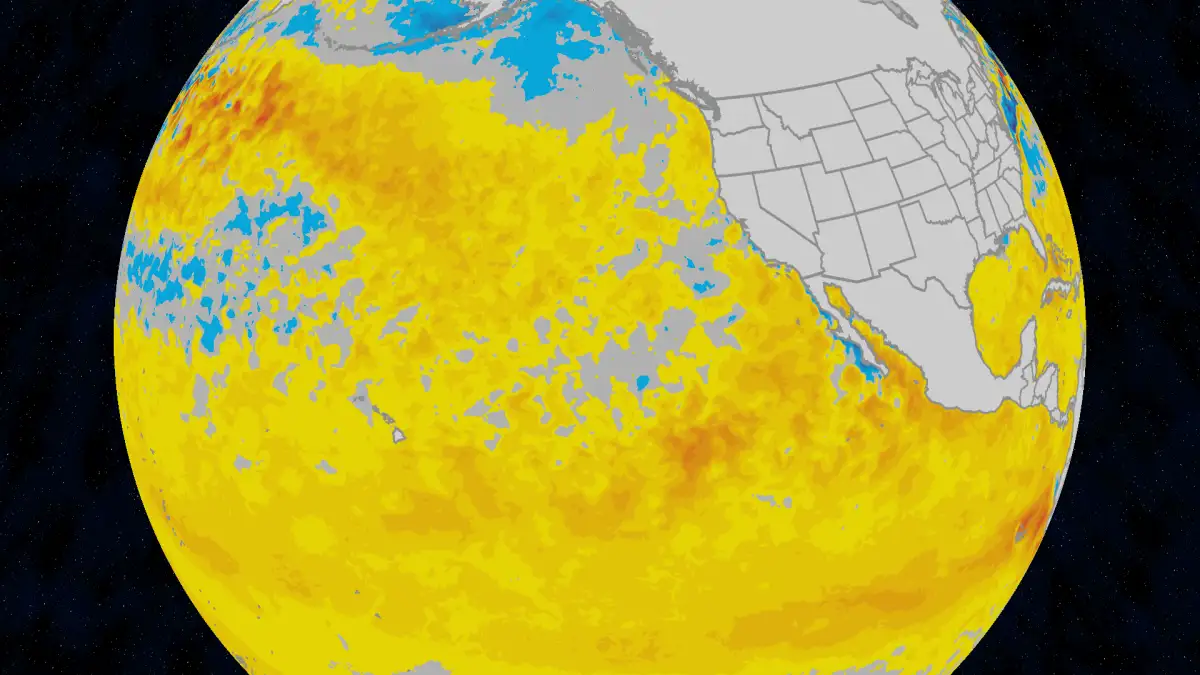
A vast surge of heat, lurking hundreds of feet beneath the Pacific's surface, is setting the stage for a potent 'Super El Niño'. This colossal underwater warmth, described as a "9,000-mile freight train," signals a climate event that could reshape global weather patterns this year, with forecasts suggesting it might be among the strongest ever recorded.

The intensity of this developing El Niño appears directly linked to a significant mass of warm water accumulating deep within the Pacific. This undersea heat acts as a primary driver, poised to release stored energy into the atmosphere. Scientists are closely observing these submerged conditions, recognizing them as crucial indicators for the potential ferocity of the impending El Niño.
WIDESPREAD WEATHER ALTERATIONS LOOM
The implications of such a powerful El Niño extend far beyond the Pacific. This climate phenomenon, a natural but influential cycle, is known to disrupt weather systems across the globe.
Read More: Amazon Land Use Changes Cause Disease Clusters in Brazil

Global Temperatures: The release of heat is expected to contribute to a general warming trend worldwide, potentially ushering in one of the hottest periods in recorded history.
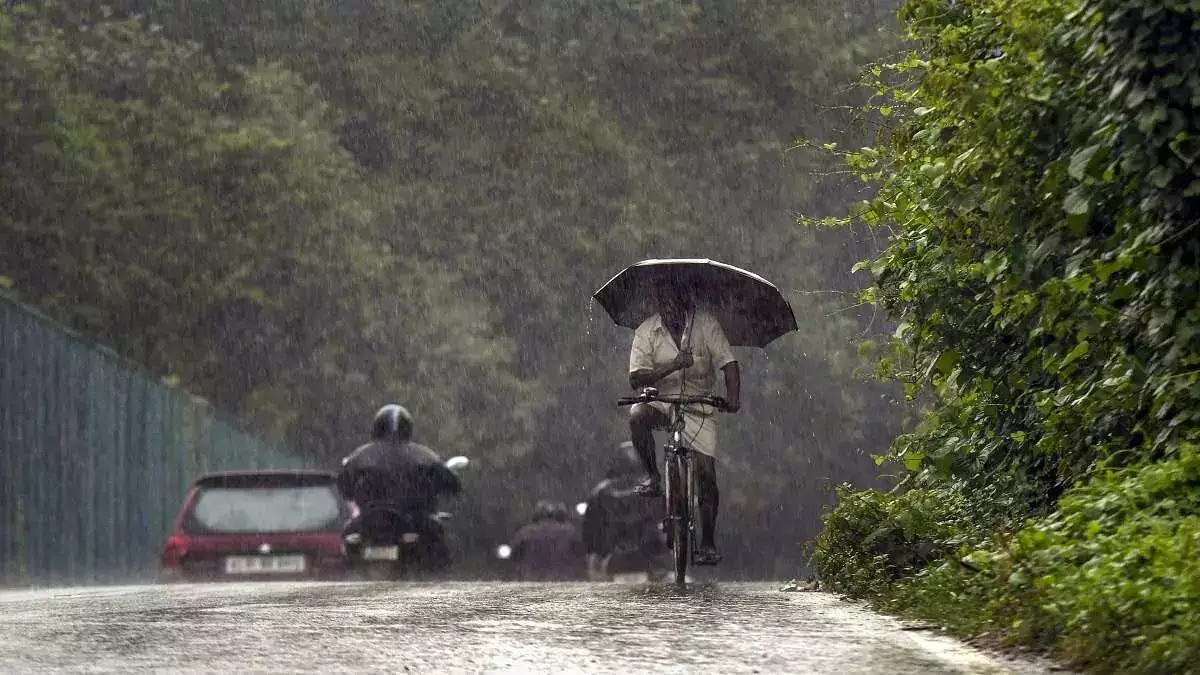
Extreme Events: El Niño events are frequently associated with a rise in extreme weather occurrences, including heat waves across continents and altered precipitation patterns, leading to floods in some regions and droughts in others.
Storm Activity: While El Niño tends to suppress storm formation in the Atlantic, its influence on tropical cyclone activity elsewhere is a significant factor.
RARE OCEANIC CONDITIONS SIGNAL INTENSITY
Specific oceanic patterns, including the return of the Pacific 'Blob' – pockets of exceptionally warm surface water – are also contributing factors. These surface anomalies, while distinct, are occurring alongside the deeper heat mass, potentially supercharging the El Niño's development. A rare annular warming in the Pacific is also noted, an occurrence often preceding major El Niño episodes. Researchers have tested various warm regions, acknowledging the complex and varied roles played by different parts of the western Pacific.

BACKGROUND: THE EL NIÑO CYCLE
El Niño is part of a natural, oscillating climate pattern known as the El Niño–Southern Oscillation (ENSO). It alternates between warm phases (El Niño) and cool phases (La Niña). These shifts are fundamental drivers of year-to-year climate variability, impacting weather patterns and global temperatures significantly. While scientific models offer strong indications, the precise links between El Niño and specific regional weather, such as in Europe, remain subject to ongoing observation and analysis.
Read More: Mumbai Red Alert July 2026 Causes School Closures and Train Delays