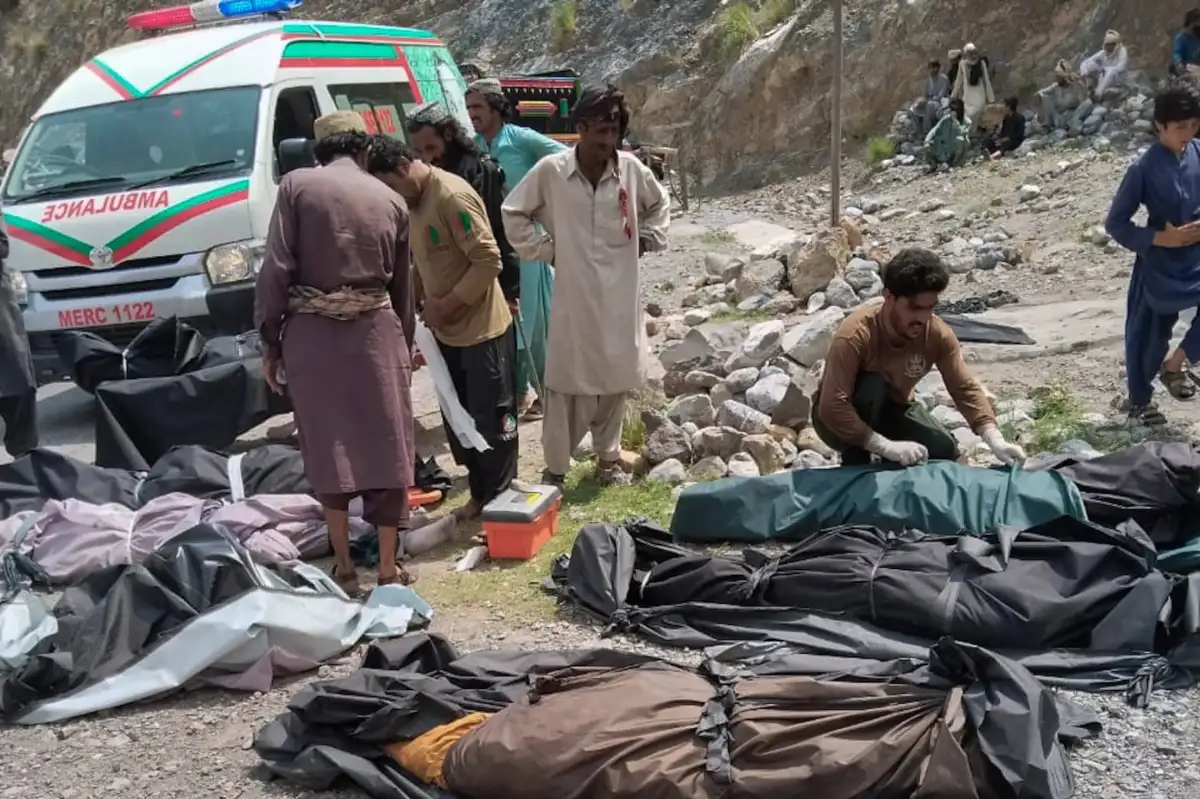
General Asim Munir, the Chief of Army Staff of Pakistan, has arrived in Tehran today, 23/05/2026. This high-level mission comes as the regional conflict involving Iran intensifies, placing the Pakistani military apparatus in the position of a diplomatic arbiter. The primary objective is to facilitate a framework for cooling active hostilities, maintaining an Equidistant Stance that Islamabad has attempted to preserve amid competing pressures from global powers.

Core Signal: Pakistan acts as a conduit between Tehran and Western interests to prevent broader regional destabilization.
| Strategic Variable | Current Status |
|---|---|
| Primary Goal | Mediation to end the Iran conflict |
| Geopolitical Position | Balancing between Iran and Western blocks |
| Domestic Constraint | Fiscal deficits and internal security pressure |
Domestic Fragility and External Pressure
While the military leadership manages international mediation, Pakistan remains tethered to a complex set of internal and border-related challenges. The nation’s current state is marked by:

Fiscal Strain: High public debt and budgetary constraints continue to hamper infrastructure growth and industrial stability.
Border Volatility: Tensions persist along the border with Afghanistan, where historical fractures—such as the Durand Line—remain unhealed.
Security Landscape: The province of Khyber Pakhtunkhwa experiences recurring violence, limiting the state's capacity to project influence without first securing its own periphery.
Contextual Background
Pakistan’s role as an intermediary is not accidental but structural. Occupying a geographic position at the western end of the Indo-Gangetic Plain, the country has long functioned as a pivot between Central Asia, the Middle East, and the Indian subcontinent.
Read More: AFP Reviews War Crime Claims Against Australian in Gaza
The current attempt at mediation reflects a pragmatic shift for a state that is traditionally reliant on regional alliances to offset its own Economic Instability. Historically, Pakistan’s state-building process, following the partition of British India, has necessitated a constant navigation of sectarian and political fissures. Today’s mission to Tehran suggests that Islamabad views the ongoing blockade and military friction in the Gulf as an existential threat to its own economic survival, potentially impacting trade corridors and energy supply lines essential for its struggling industrial sector.
The military remains the primary broker in this dialogue, underscoring the dominance of the security establishment in defining Pakistan's external reach during times of Regional Crisis.
Read More: 40 Die in Quetta to Peshawar Bus Crash in Balochistan on April 3 2026