ISLAMABAD/TEHRAN – Reports circulating since yesterday indicate significant strides in indirect negotiations between the United States and Iran, brokered by Pakistan. Sources close to the process suggest a draft understanding, possibly a memorandum of understanding (MoU), is nearing finalization, focusing on an end to the protracted conflict.
The core of this reported progress appears to hinge on a framework agreement designed to de-escalate hostilities. Senior officials from both Iran and Pakistan have spoken of "encouraging progress" and "meaningful advancement" in recent days.

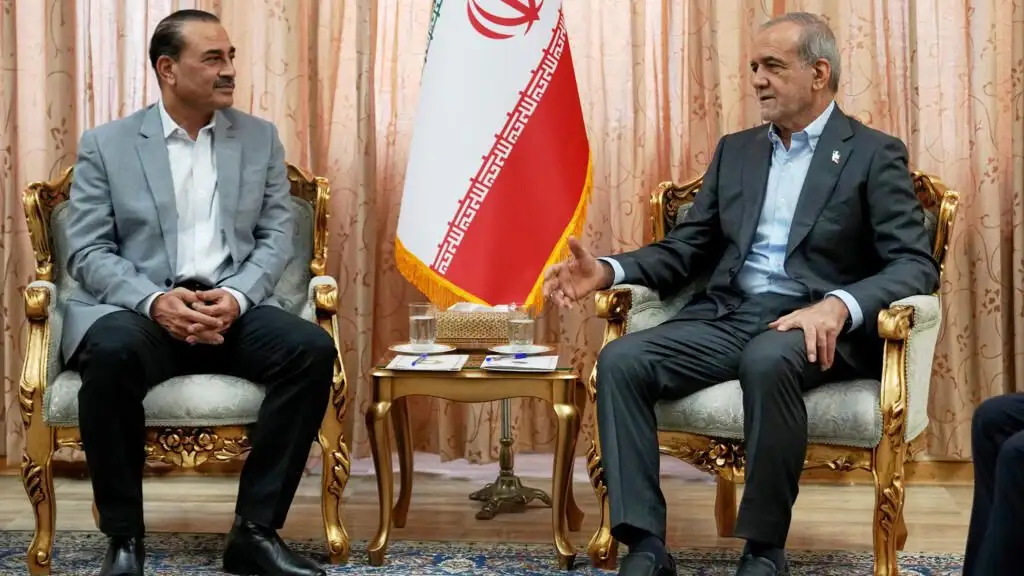
The Pakistani military's Chief of Defence Forces and Chief of Army Staff, Field Marshal Asim Munir, concluded a "highly productive" visit to Tehran, engaging in high-level consultations. These discussions, according to Pakistani officials, centered on diplomatic efforts to halt ongoing aggressions and bolster regional stability. Iran's Foreign Ministry has stated its focus is now on drafting the MoU, with a projected timeframe for further negotiation of details within 30 to 60 days, preceding a definitive accord.
Read More: AFP Reviews War Crime Claims Against Australian in Gaza

Regional Players Involved
A recent phone call involving leaders from Pakistan, Saudi Arabia, Türkiye, Qatar, Egypt, the UAE, and Jordan underscored the regional dimension of these diplomatic efforts. Notably, US Vice President J D Vance and Secretary of State Marco Rubio were acknowledged participants on the US side, suggesting high-level engagement.
Pakistan's Facilitative Role
Pakistan's Deputy Prime Minister and Foreign Minister Ishaq Dar has been vocal about the country's commitment to acting as an "honest facilitator and mediator." Pakistan's objective, he stated, is to support ceasefire efforts and promote peace, aiming for a swift and peaceful settlement essential for "global peace and the world economy." This engagement has been ongoing since at least February 28, with Pakistan maintaining contact with regional partners and international stakeholders.
Read More: Gulf Oil Exports Rise in June but Still Below Pre-War Levels
Background to the Conflict
The current diplomatic push follows a period of heightened tension and direct action. The conflict escalated significantly after a joint US-Israeli attack on Iran on February 28, reportedly in response to Iran's nuclear enrichment program. Iran retaliated with strikes targeting Israel and countries hosting US assets in the Gulf. Separate attacks on Iran and Iranian-backed militias in Iraq were also reported by Saudi Arabia and the UAE. Earlier, there were reports of Israeli strikes in southern Lebanon following Hezbollah's involvement in the conflict, which began on March 2 after rocket fire at Israel. These recent developments suggest a potential lull in military action, with a previously agreed-upon ceasefire on April 17 not fully observed.
Reports from March indicate concerns within Israeli circles regarding the possibility of a US deal with Iran that might not align with Israel's desired war aims. Simultaneously, Iran's Parliament Speaker had suggested that the US military buildup was a pretext for a ground invasion, while also acknowledging preparedness for direct meetings.
Read More: Indus Waters Treaty remains suspended in India and Pakistan April 2026