Aide's Meeting with Lashkar-e-Taiba Chief's Son Casts Shadow
Islamabad, Pakistan - A significant question mark hangs over Pakistan's position in regional security matters, following recent revelations that a Prime Minister's aide met with Hafiz Talha Saeed, son of the designated terrorist Hafiz Saeed and a key figure within the Lashkar-e-Taiba (LeT) militant group. This meeting, occurring mere days after Pakistan's purported efforts to mediate in Middle Eastern conflicts, raises concerns about the nation's commitment to counter-terrorism and its complex geopolitical allegiances.

The revelation directly contradicts Pakistan's public posture as a mediator in international disputes, particularly its role in facilitating talks between the United States and Iran. The timing of the aide's meeting with Talha Saeed, a figure linked to organizations designated as terrorist by multiple countries, suggests a disturbing dissonance in official policy and action.

Internal Disconnect or Calculated Ambiguity?
The interaction raises critical questions regarding internal coordination within Pakistan's political and security apparatus. While elements within Pakistan have been presented as key facilitators in high-stakes diplomatic efforts, such as the protracted negotiations involving the US and Iran – with the Pakistani army chief, Asim Munir, being a prominent figure in these discussions – the reported meeting with a prominent militant leader's son introduces a layer of profound ambiguity.
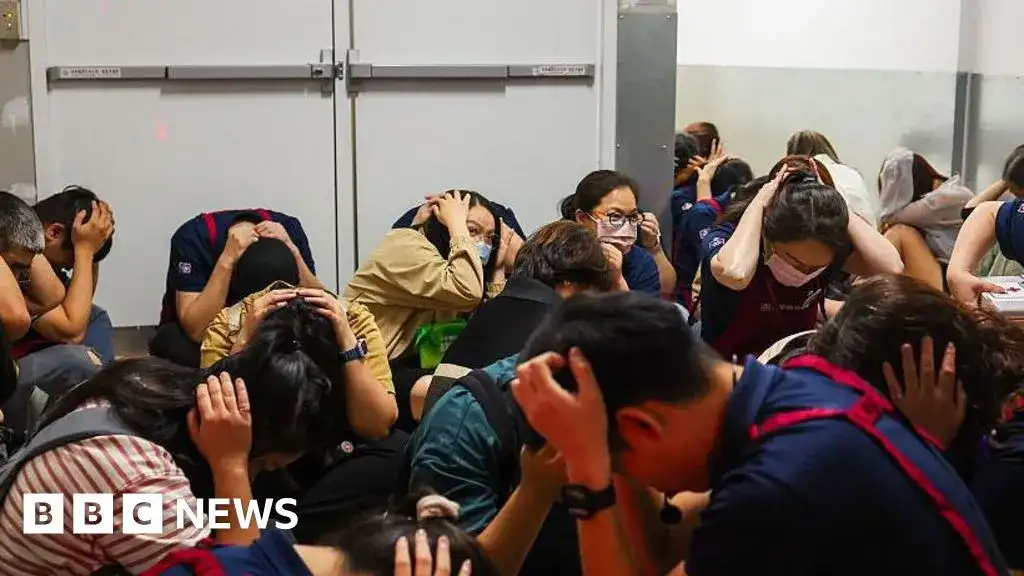
Read More: Taiwan Holds Nantou County Drills to Prepare for State Collapse

Reports indicate a flurry of diplomatic activity centered around Pakistan in recent times. Discussions regarding ceasefires and peace talks between Iran and the United States have seen Pakistan actively engaged, with Islamabad positioned as a crucial venue and mediator. Donald Trump, the US President, has publicly acknowledged Pakistan's role in these delicate exchanges, even as tensions between the US and Iran have remained volatile, with Iran maintaining its demands and threatening reprisals.
A Troubled Landscape
This incident unfolds against a backdrop of Pakistan's persistent domestic challenges. Economic instability, marked by a high fiscal deficit and public debt, continues to strain the nation's resources. Meanwhile, reports from within Pakistan have highlighted issues such as police efforts to destroy opium poppy fields, with local farmers citing poverty as a driving factor. Furthermore, the country has recently experienced extreme weather events, with a violent storm in Karachi claiming numerous lives.
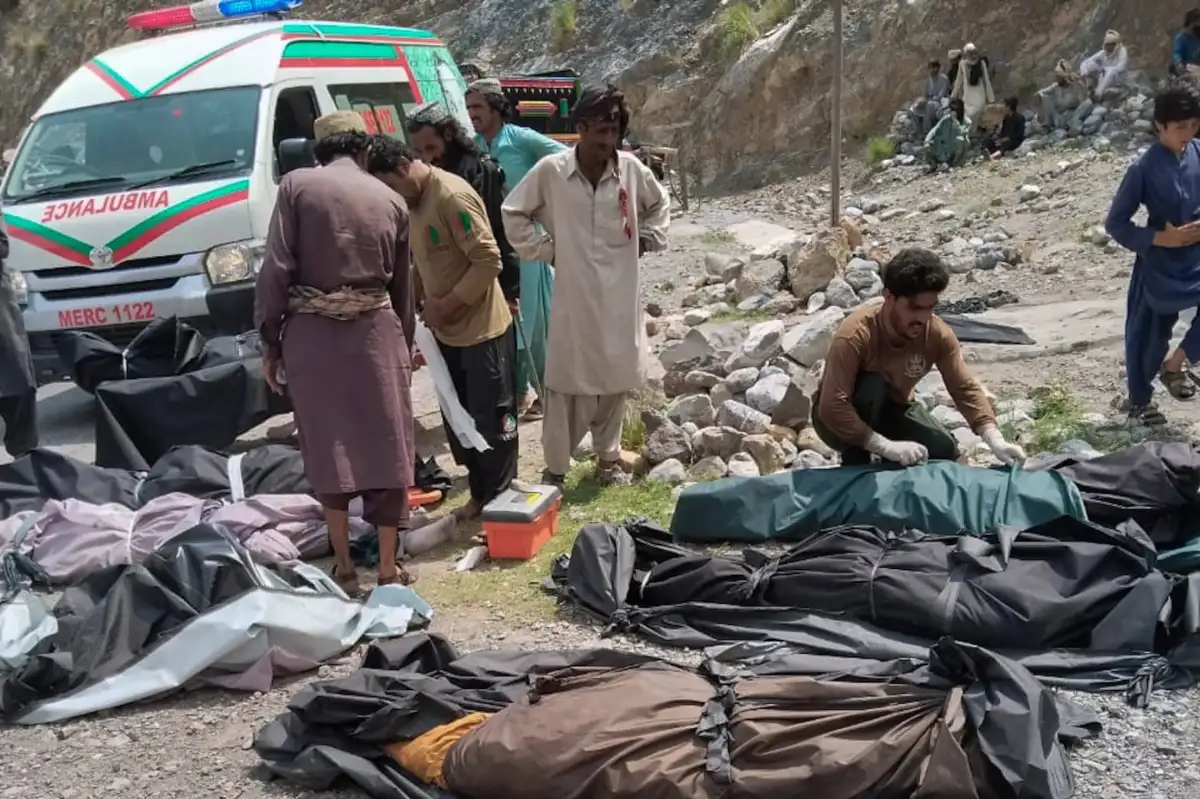
Read More: 40 Die in Quetta to Peshawar Bus Crash in Balochistan on April 3 2026
Historically, Pakistan's geography places it at a critical juncture in the Indo-Gangetic Plain. Its cultural fabric is rich, with iconic sites like Lahore's Badshahi and Faisal mosques and culinary staples like biryani. However, the nation's narrative has often been intertwined with regional security dynamics and internal strife, a complex tapestry woven with threads of historical partitions, ethnic diversity, and ongoing geopolitical pressures.