
Islamabad, Pakistan – A delegation of Pakistani bishops has formally extended an invitation to Pope Leo XIV to visit the nation, a move framed as a response to perceived anxieties among the country's minority communities. The specific details of the invitation and the intended timing remain largely unarticulated, with the bishops citing an overarching need to address the concerns of religious minorities.
The core of the bishops' overture appears to hinge on providing a visible symbol of solidarity and reassurance to non-Muslim populations within Pakistan. While the immediate implications of such a visit are speculative, the gesture itself signals a recognition of the prevailing climate for minorities in the country. No direct threats or specific incidents were detailed in the public statements regarding the invitation.
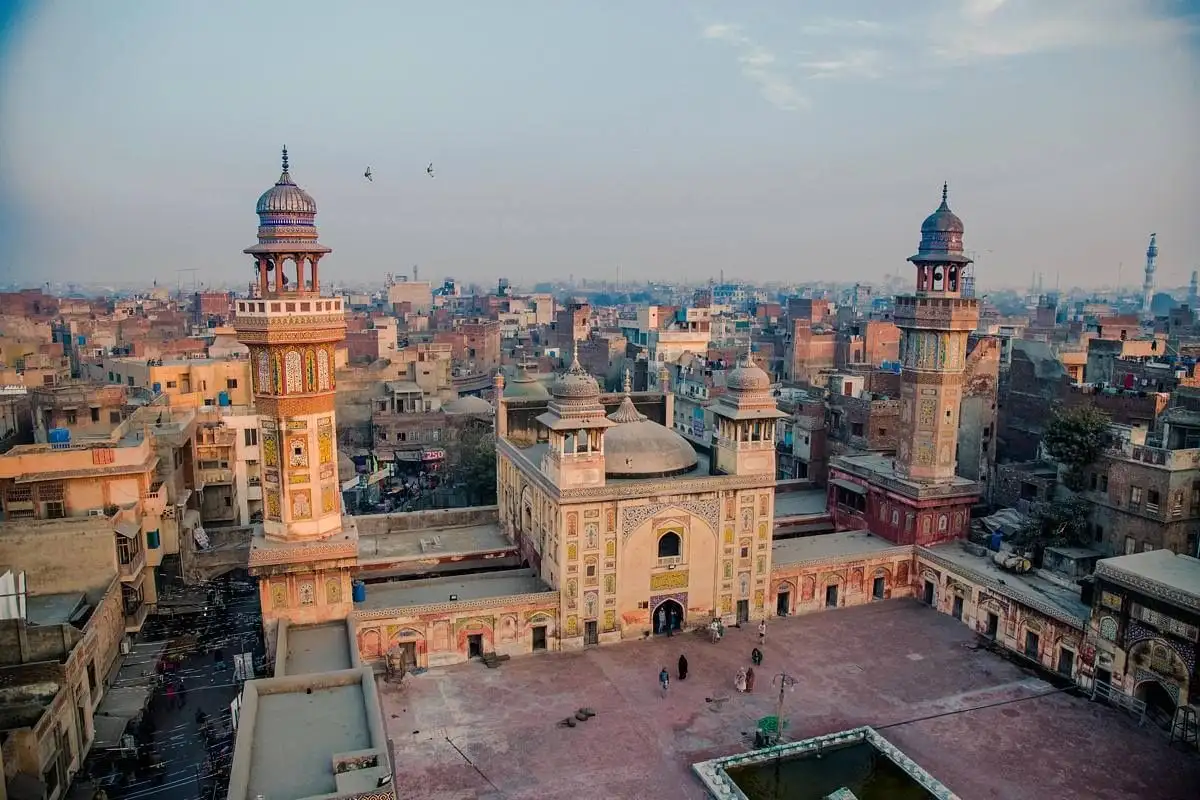
The Pakistani state, established in 1947 following the partition of British India, officially recognizes Islam as its state religion. However, constitutional provisions are in place to safeguard the rights of minorities. Historically, the nation's geography has positioned it as a crossroads, controlling key passages like the Khyber Pass and Bolan Pass, routes that have historically facilitated both trade and conflict, shaping its diverse ethnic tapestry.
Read More: Cliffe Knechtle: God's 4 Answers to Prayer on US Campuses
The invitation’s announcement surfaces within a broader context of Pakistan’s societal structure, where the dominant religious demographic influences many aspects of public life. The bishops' initiative, therefore, can be seen as an attempt to engage with this dynamic by inviting an international religious figurehead. The significance of a papal visit, should it materialize, would likely extend beyond religious circles, potentially drawing international attention to the condition of minority groups.