


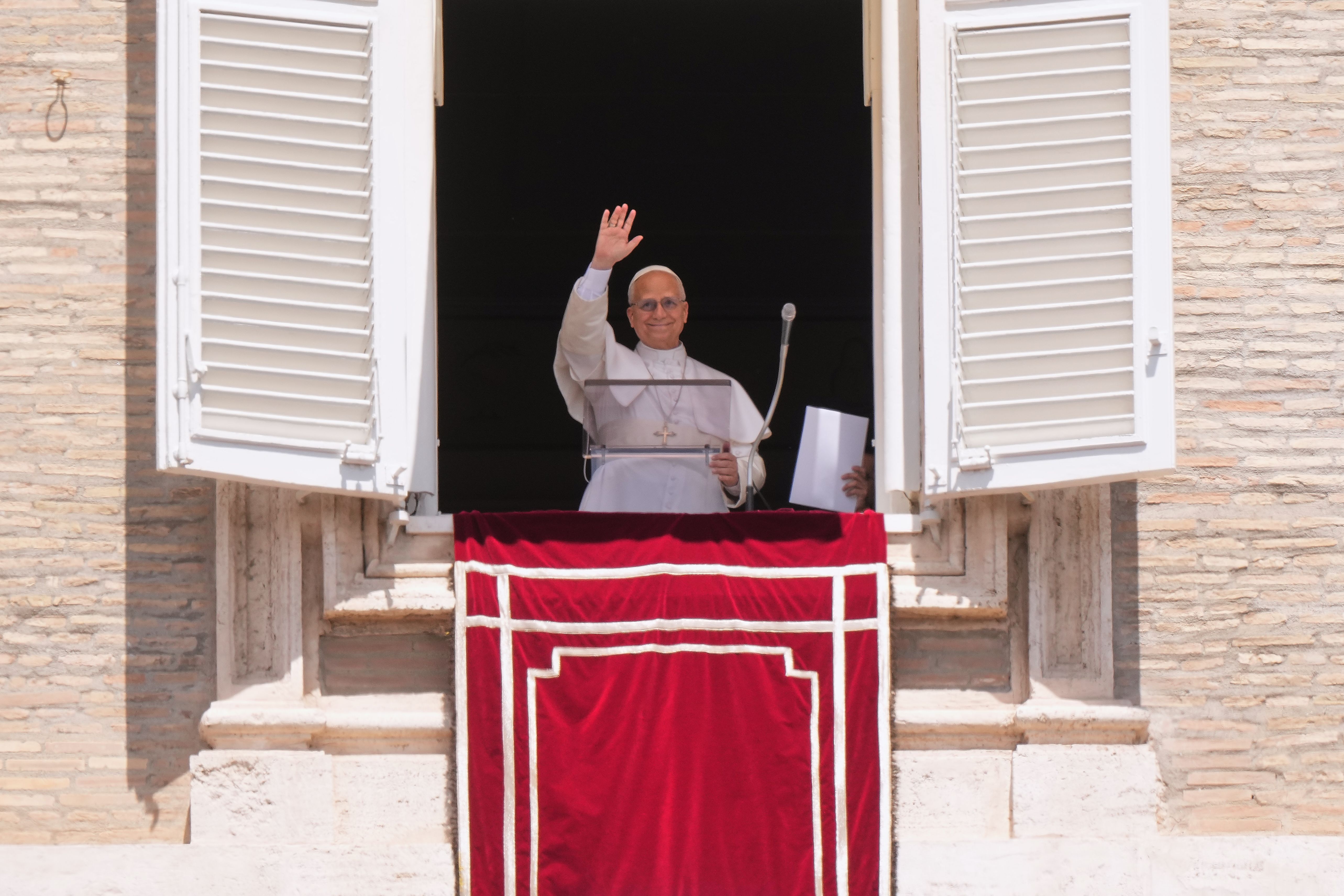
Pope Leo XIV will release his first papal encyclical, "Magnifica Humanitas," on May 25th, focusing on human dignity in the age of artificial intelligence. He will be joined by Christopher Olah, co-founder of the AI firm Anthropic, a move signaling an unprecedented alignment between the Vatican and cutting-edge AI development.
The pontiff's landmark document, released at the Vatican, addresses the burgeoning influence of AI and its potential impact on society. This initiative follows Pope Leo's explicit interest in AI since his election in May 2025, when he highlighted the need for the Church to offer guidance on artificial intelligence developments that challenge human dignity, justice, and labor. The encyclical is named "Magnifica Humanitas," or "Magnificent Humanity," a title reflecting its core message.
The Pope's engagement with Anthropic, a company emphasizing safety and risk mitigation in its AI research, appears deliberate. Olah's presence at the release underscores a convergence of religious ethics and technological advancement. Anthropic's work, including its AI assistant Claude, has reportedly incorporated input from Catholic experts and religious leaders in its foundational documents, such as "Claude's Constitution," which aims to ensure AI is helpful, safe, and ethical.
Read More: Cliffe Knechtle: God's 4 Answers to Prayer on US Campuses
Vatican's AI Engagement Deepens
This encyclical marks a significant moment in the Vatican's ongoing engagement with artificial intelligence. Pope Leo approved the formation of a new Vatican commission dedicated to artificial intelligence on May 16th, intended to coordinate AI-related activities across Church institutions. The commission will focus on sharing information, aligning projects, and establishing internal policies for AI use within the Holy See.
The Pope's choice of name, Leo XIV, deliberately echoes Pope Leo XIII, whose 1891 encyclical "Rerum Novarum" addressed the societal shifts and labor issues arising from the Industrial Revolution. The current encyclical is framed as a parallel response to the technological revolution of artificial intelligence. Discussions regarding AI ethics have involved major technology firms like Microsoft and Google, alongside dialogues with Anthropic.
Broader Implications and Political Undercurrents
The Vatican's move, particularly the collaboration with Anthropic, could create a new point of discussion with political entities, especially given past governmental actions. The Trump administration previously ordered U.S. agencies to cease using Anthropic's technology, citing national security concerns related to supply chain risks. The presence of Olah at the Vatican event may therefore create a new dynamic in the relationship between the Holy See and governmental stances on AI.
Read More: Chrome mimeHandler API lets extensions handle file types
Anthropic has positioned itself as a company prioritizing safety and risk mitigation in its AI development, a stance that appears to resonate with the Vatican's concerns. The company has also publicly addressed issues such as U.S.-China competition in AI and the potential risks of advanced technology falling into the hands of authoritarian regimes. This shared focus on responsible development is a key element in the unfolding relationship between the Pope and the AI firm.





