A recent shift in Ancestry.com's application programming interface (API) has created significant hurdles for users of RootsMagic, a popular genealogy software. The change, implemented by Ancestry, has impeded the "treesync" functionality, a feature that allows users to directly sync their family tree data between RootsMagic and Ancestry.com.
The core of the disruption lies in an undisclosed alteration to Ancestry's API. This change appears to have broken the established communication pathway that RootsMagic relied upon to import and export tree data. As a consequence, individuals attempting to utilize the treesync feature are encountering errors and failed synchronization attempts.
The RootsMagic Community forum has become a hub for these frustrated users. Reports detail a range of issues, from simple data inconsistencies to complete failure of the syncing process. The exact nature of the API modification remains unspecified by Ancestry, leaving users and software developers to navigate the problem with limited official guidance.
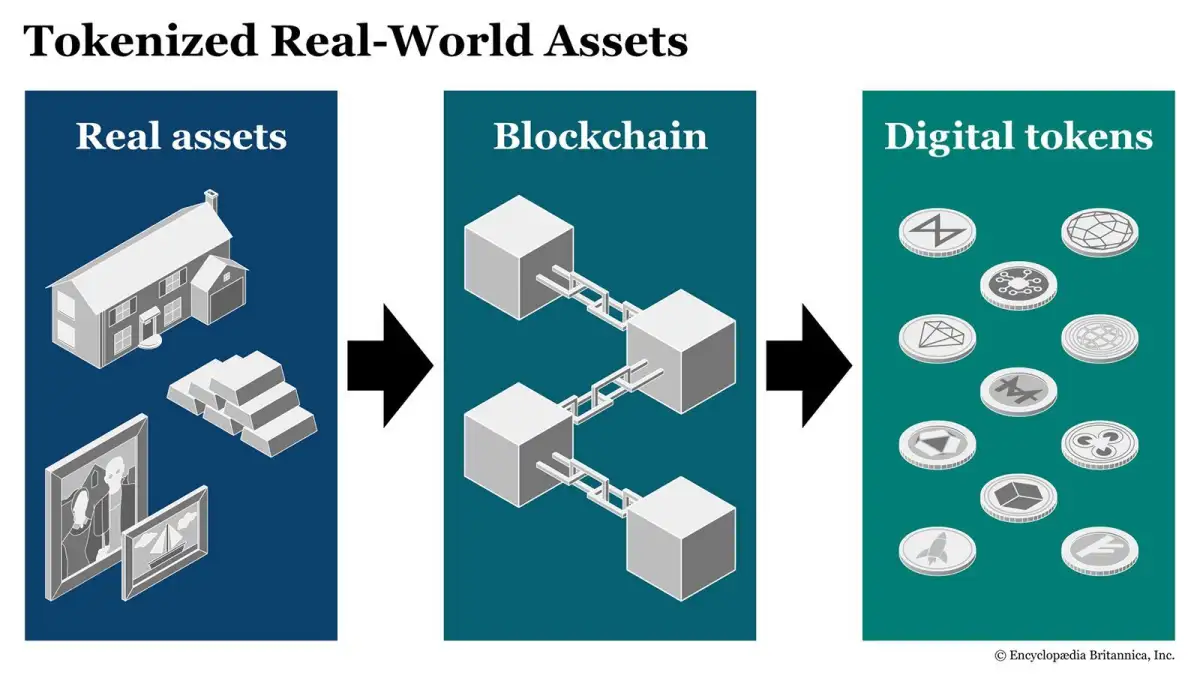
Read More: Tokenization Changes How Assets Are Traded From May 2026
RootsMagic representatives have acknowledged the issue, stating they are actively working to address it. However, the lack of transparency from Ancestry regarding their API changes is a complicating factor. This situation underscores the fragility of data interdependencies in the digital realm, where a change by one platform can have cascading effects on others.
Background: Interconnected Genealogy Platforms
Genealogy enthusiasts often rely on multiple platforms to build and share their family histories. Ancestry.com, with its vast collection of records and large user base, is a central hub for many. Software like RootsMagic offers advanced tools for organizing, documenting, and analyzing genealogical information. Features that allow seamless data transfer between these services are therefore critical for efficient research and data management. The current breakdown highlights a fundamental tension between platform control and user-driven interoperability.